
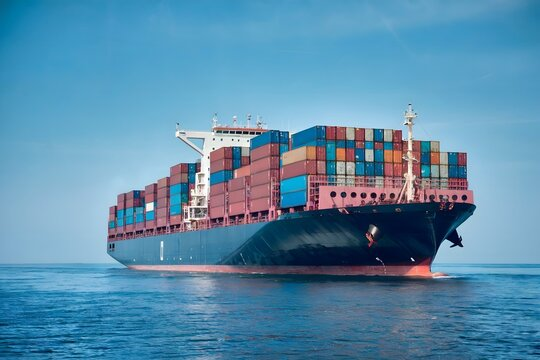
A growing share of our East and Central African customers are located in Uganda, making this land-linked market an increasingly important part of our China–Uganda logistics network. AI Shipping China cooperates on a long-term basis with leading international and regional carriers such as COSCO, OOCL, APL, EMC, Maersk (MSK), and HMM, as well as trusted overland transport operators. These strategic partnerships enable us to offer highly competitive freight rates and dependable capacity for shipments from China to Uganda’s main border crossings, dry ports, and inland logistics hubs.
With AI Shipping China as your logistics partner, moving cargo from China to Uganda becomes more structured, transparent, and easier to manage from end to end. Once you entrust your goods to us, our experienced team manages the entire process—from factory pickup and export documentation in China to seaport transit via neighbouring countries, customs clearance at Uganda’s borders, and final delivery across the country where service is available. Our goal is to be your most dependable freight forwarder from China to Uganda. Request a competitive, tailored quote today.
AI Shipping China provides reliable and cost-effective multimodal freight services from China to Uganda, combining sea freight to regional East African ports with overland trucking and, where available, rail connections into Uganda. Typical routings use gateway ports such as Mombasa (Kenya), Dar es Salaam (Tanzania), or other coastal hubs, followed by corridor transport to Ugandan logistics centres including Kampala, Jinja, Mbarara, Gulu, and other regional hubs. Through long-term cooperation with major carriers such as COSCO, OOCL, APL, EMC, Maersk (MSK), and HMM plus established road operators, we secure attractive contract rates and stable capacity on key Asia–East Africa trade lanes that serve Uganda. Whether you are shipping electronics, industrial and agricultural machinery, household goods, automotive parts, building and infrastructure materials, FMCG products, energy, telecom and water-project equipment, chemicals, or textiles, our solutions are engineered to ensure smooth, well-coordinated, and timely deliveries into Uganda.

For urgent, high-value, or time-sensitive shipments, our air freight service offers fast and secure transportation from China to Uganda via suitable regional air hubs. AI Shipping China designs optimised flight routings into Entebbe International Airport and other accessible gateways, typically through major African or Middle Eastern hubs, ensuring dependable transit times and professional cargo handling along the route. From pickup at your supplier’s facility and export customs clearance in China to import procedures at the chosen hub and final-mile delivery in Entebbe, Kampala, and other reachable locations, we manage the complete air logistics process—ideal for medical supplies, pharmaceuticals, high-tech components, horticulture and cold-chain inputs, critical spare parts for power, oil & gas and industrial projects, precision instruments, premium electronics, samples, and other mission-critical cargo.

Our door-to-door shipping service delivers a comprehensive end-to-end logistics solution for businesses and organisations moving cargo from China to Uganda. AI Shipping China coordinates every stage of the shipment, including factory or warehouse pickup in China, export documentation, sea and overland transport via appropriate East African gateways, transit and import customs clearance at Uganda’s borders or ICDs, and final delivery to your specified address—whether it is a commercial warehouse, distribution centre, industrial or project site, logistics park, farm or processing facility, NGO base, retail store, or private residence where access is possible. With full shipment visibility, proactive communication, and close cooperation with vetted local partners and trucking fleets along the corridors into Uganda, we ensure a smooth, hassle-free shipping experience from origin in China all the way to your door in the country.

AI Shipping China offers full-container-load (FCL) shipping from China to Uganda using robust sea–road and multimodal solutions tailored to East African corridors. Backed by strong contracts with major carriers and dependable container availability on Asia–East Africa services calling at ports such as Mombasa and Dar es Salaam, we move containers from Chinese factories and ports to these seaports and then organise inland trucking or rail (where available) to Ugandan hubs like Kampala and Jinja. Our team arranges container booking, supervises loading at your selected facility in China, manages export customs formalities, and coordinates both the ocean leg and inland corridor to Uganda. FCL shipping is ideal for large-volume cargo such as construction and infrastructure materials, industrial and project machinery, complete processing or production lines, power, telecom and water-project equipment and spares, household goods, automotive and agricultural machinery components, retail inventory, and bulk textiles that require secure, dedicated, and consistent transportation.
For shipments that do not fill an entire container, our less-than-container-load (LCL) service provides a flexible and economical option from China to Uganda. We consolidate multiple consignments at major Chinese ports, arrange ocean transport to selected East African hubs, and then use established trucking and, where possible, rail corridors to reach Ugandan destinations such as Kampala, Jinja, Mbarara, Gulu, and other key cities where operations are viable. Once your cargo arrives at the designated hub, we coordinate customs clearance and final delivery to your consignee in Uganda. LCL is particularly suitable for small and medium-sized enterprises, mixed-SKU consignments, aftermarket spare parts, e-commerce orders, samples, and seasonal or project-based goods, helping you control logistics costs while still benefiting from professional international freight services into Uganda.
AI Shipping China will provide most fuel efficient pickup service China
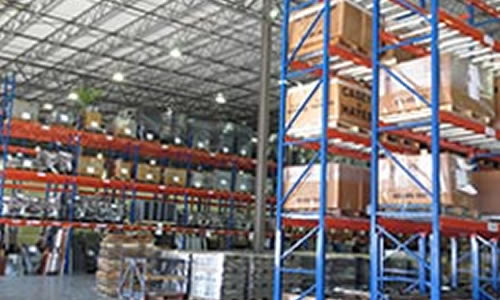
We provide free warehousing services for any of your goods.
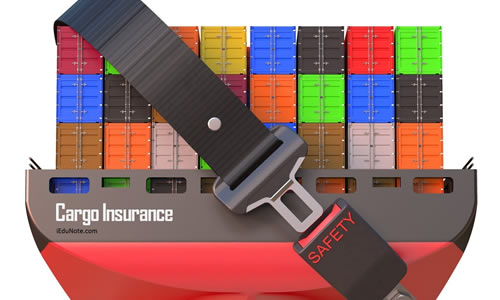
The cargo insurance protects your goods all the way to any Any FBA Warehouse

We handle all paperwork and other details for you.
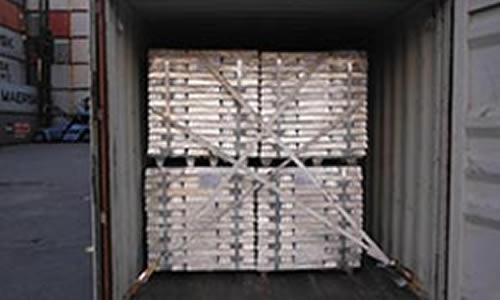
Ensure safe packaging and loading of goods in your suppliers' factory.
Air freight transit usually takes around 7 to 14 days, depending on factors such as airline schedules, routing choices, and whether flights are direct or involve connections. The overall timeline can also be influenced by customs clearance procedures and cargo handling at both the departure and arrival airports.
Air freight offers quicker transit, generally arriving within one to two weeks, while sea freight requires a longer timeframe, typically around one to one and a half months.
Costs vary based on shipping method, type of cargo, and weight. Sea freight is generally cheaper, while air freight is more expensive.
Common logistics companies include DHL, FedEx, UPS, and SF Express, each offering different shipping options and services.
Yes, international shipments typically require customs clearance, which involves submitting necessary documents and paying duties.
It is advisable to insure your cargo to protect against loss or damage during transit.
You can track your shipment using the logistics company’s online tracking system or by using the provided tracking number.
Potential issues include delays, customs problems, damage, or loss. Choosing a reliable logistics company can help minimize these issues.
Yes, many logistics companies offer door-to-door service, which includes delivery from the point of origin to the final destination.
To achieve faster delivery, choose air freight rather than sea transport, work with a reliable and efficient logistics provider, and make sure all required documentation and customs formalities are completed accurately in advance. Proper planning and coordination can significantly reduce transit times and avoid unnecessary delays.
Code Quality is structured, readable, and maintainable. Logic is clear, and conventions are consistent. Documentation supports understanding, though more testing and modularization could boost robustness.
Design Quality is clean, intuitive, and visually appealing. Navigation is straightforward, and elements are well organized. Minor refinements could enhance the overall polish and user experience.

Features are comprehensive and consistently accessible, meeting most user needs. Core functions work reliably, and the layout makes them easy to find. Some advanced features could be more visible for better usability.