
Shipping from China to Turks and Caicos Islands

Services

What we do

Services

img

Sea Freight From China To Turks and Caicos Islands

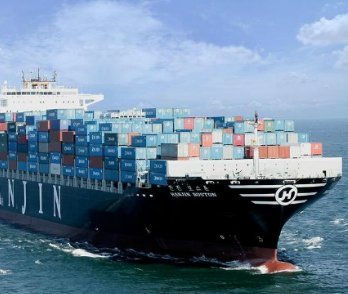
AI Shipping China provides dependable and cost-effective sea freight services from China to the Turks and Caicos Islands, typically routed through major Caribbean and North American transshipment hubs. By leveraging long-term cooperation with leading carriers such as COSCO, OOCL, APL, EMC, Maersk (MSK), and HMM, we secure attractive contract rates and reliable container space on key Asia–Caribbean and trans-Pacific trade lanes. Whether you are shipping electronics, industrial machinery, household goods, automotive parts, building materials, FMCG products, chemicals, or textiles, our ocean freight solutions are structured to ensure smooth coordination, predictable transit times, and efficient connections into the Turks and Caicos Islands.

img

Air Freight From China To Turks and Caicos Islands

For urgent, high-value, or time-sensitive shipments, our air freight service offers fast and secure transportation from China to the Turks and Caicos Islands. AI Shipping China designs optimized air routes to major regional airports and arranges onward services to the Turks and Caicos Islands, helping you achieve consistent transit times and professional cargo handling from pickup to final delivery. From collection at your supplier’s facility and export customs clearance in China through to import formalities at the gateway airport and last-mile delivery in the Turks and Caicos Islands, we manage the entire air logistics process—ideal for medical supplies, pharmaceuticals, high-tech components, critical spare parts, precision instruments, premium electronics, samples, and other priority cargo.

img

Door to Door Shipping from China to Turks and Caicos Islands

Our door-to-door shipping service offers a fully integrated logistics solution for companies and individuals moving cargo from China to the Turks and Caicos Islands. AI Shipping China oversees every stage of the shipment, including factory or warehouse pickup in China, export documentation, sea or air transportation, customs clearance at the destination gateway, and final delivery to your specified address in the Turks and Caicos Islands. With full shipment visibility, proactive communication, and cooperation with experienced local partners and trucking fleets, we provide a smooth, low-stress shipping experience from origin in China all the way to your door in the Turks and Caicos Islands.

FCL Shipping from China To Turks and Caicos Islands

AI Shipping China offers full-container-load (FCL) shipping backed by competitive carrier contracts and stable container availability on China–Turks and Caicos Islands routes via regional hub ports. Our team handles container booking, supervises loading at your origin facility, manages export customs formalities in China, and arranges the ocean leg to designated Caribbean or North American hubs, followed by feeder services and local delivery to the Turks and Caicos Islands when required. FCL shipping is ideal for large-volume cargo such as construction materials, industrial and project machinery, complete production lines, household goods, automotive components, retail inventory, and bulk textiles that require secure, dedicated, and consistent transportation capacity.

LCL Shipping from China To Turks and Caicos Islands

For shipments that do not fill an entire container, our less-than-container-load (LCL) service provides a flexible and economical solution from China to the Turks and Caicos Islands. We consolidate multiple consignments at major Chinese ports, ship them to primary Caribbean or North American gateway ports, and then coordinate deconsolidation, customs clearance, and onward delivery to your consignee in the Turks and Caicos Islands. LCL is particularly suitable for small and medium-sized enterprises, mixed-SKU consignments, aftermarket spare parts, e-commerce parcels, samples, and seasonal goods, helping you control logistics costs while still benefiting from professional international freight coverage into the Turks and Caicos Islands.

Features

More Services Shipping from China To Turks and Caicos Islands

img

Pickup and Delivery

AI Shipping China will provide most fuel efficient pickup service China
img

Warehousing

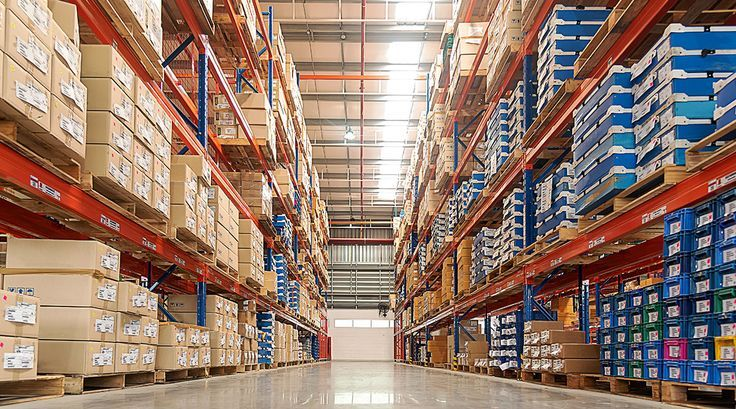
We provide free warehousing services for any of your goods.

img

Cargo Insurance

The cargo insurance protects your goods all the way to any Any FBA Warehouse

img

Custom Clearance

We handle all paperwork and other details for you.

img

Loading Inspection

Ensure safe packaging and loading of goods in your suppliers' factory.
Here We Are

GET ANYTYPE QUOTE FROM HERE.

Your Best Freight Forwarder from China to Turks and Caicos Islands

  • Offer reliable and cost-effective ocean freight services from China to the Turks and Caicos Islands
  • Deliver flexible and time-efficient air freight options from China to the Turks and Caicos Islands
  • Provide expert export customs clearance and documentation services in China
  • Offer complimentary warehousing periods and customized consolidation and loading solutions
  • Ensure meticulous container loading supervision to safeguard your cargo
  • Arrange dependable pickup and inland trucking and rail services within China
  • Provide responsive 24/7 online customer support for your China–Turks and Caicos Islands shipments
Sea_Freight
What customers also want to know

Professional Shipping from China to Turks and Caicos Islands: The Ultimate FAQ Guide

Transit times from China to the Turks and Caicos Islands can differ based on the shipping method chosen, carrier schedules, and possible delays during transit. Below is a general outline of expected delivery timeframes:

Air Freight: Air shipping is the quickest solution, typically taking around 3 to 7 days, including customs clearance and final delivery after arrival. This option is well suited for time-sensitive cargo.

Sea Freight: Ocean freight is a more economical alternative but involves longer transit periods, usually about 4 to 6 weeks. Actual timing depends on the sailing route, vessel schedules, and port congestion.

Express Courier Services: Some international courier companies provide express options that can be faster than standard air freight, with delivery often completed within 2 to 5 business days.

Transit and Handling Factors: Beyond the main transport time, customs clearance, document processing, and other logistical procedures should be considered, as they can impact the overall delivery schedule.

Remote Location Considerations: Due to its relatively remote location, shipments to the Turks and Caicos Islands may face extended transit times influenced by accessibility, local transportation networks, and customs practices.

When arranging shipments, it’s important to balance cost, urgency, and cargo requirements when selecting a shipping method. Working closely with your freight forwarder or carrier can help you obtain accurate timelines and ensure a smooth shipping experience.

Estimating shipping costs from China to the Turks and Caicos Islands involves considering several factors that directly affect pricing. Here’s a detailed guide to help set cost expectations:

  1. Shipping Method:
    The chosen transport method has a significant impact on cost. Air freight is faster but generally more expensive, sea freight is more economical but slower, and express courier services provide the quickest delivery at a premium price.
  2. Shipment Size and Weight:
    The dimensions and weight of your cargo are key pricing factors. Larger or heavier shipments usually incur higher fees due to increased space and handling requirements.
  3. Distance and Routing:
    Geographic distance and the chosen shipping route between China and the Turks and Caicos Islands influence costs. Longer or less direct routes, especially for air transport, tend to increase freight charges.
  4. Carrier Rates and Additional Fees:
    Prices differ among carriers and freight forwarders. Extra costs such as fuel surcharges, handling fees, and optional services like insurance or tracking can add to the overall expense.
  5. Customs Duties and Taxes:
    Import duties, local taxes, and other fees may apply upon arrival. These costs are typically the responsibility of the importer and are separate from the shipping charges.
  6. Packaging and Handling Requirements:
    Proper packaging protects your goods and can affect costs. Specialized packing, labeling, or handling instructions may result in additional fees, whereas well-prepared shipments can help avoid extra charges.
  7. Cost Optimization Strategies:
    Frequent shippers or those with large volumes may negotiate better rates. Approaches like consolidating shipments, establishing long-term agreements with forwarders, or using promotional offers can reduce overall shipping expenses.

By evaluating these factors and comparing quotes from multiple logistics providers, shippers can obtain a more accurate estimate and select the most cost-effective and efficient shipping solution for their needs.

Shipping goods from China to the Turks and Caicos Islands involves several important steps to ensure efficiency and smooth delivery:

Choose a Shipping Method: First, select the best shipping method based on your budget, delivery time, and the type of goods. Options include air freight, sea freight, or express courier services.

Select a Trusted Freight Forwarder: Find a reliable freight forwarder, such as AI Shipping China, that specializes in shipments from China to the Turks and Caicos Islands. Evaluate their reliability, cost, and range of services.

Package Your Goods Securely: Proper packaging is crucial to protect your goods during transport. Adhere to any packaging guidelines provided by your freight forwarder and ensure compliance with relevant regulations.

Prepare Shipping Documentation: Gather all necessary documents, including a commercial invoice, packing list, bill of lading (for sea freight), or air waybill (for air freight). Work closely with your freight forwarder to ensure all documents are complete and accurate.

Handle Customs Clearance: Your shipment will need to clear customs both in China and in the Turks and Caicos Islands. Provide all required documentation to facilitate a smooth customs process and avoid delays.

Arrange Pickup or Drop-off: Coordinate with your freight forwarder to schedule a pickup from your location in China. Alternatively, you may choose to drop off your shipment at a designated facility or airport.

Track Your Shipment: Use tracking services offered by your freight forwarder to monitor your shipment's progress in real-time. Stay updated on any transit changes to ensure timely delivery.

Ensure Delivery: Upon arrival in the Turks and Caicos Islands, your shipment will go through customs clearance and be delivered to the designated address. Communicate with the recipient to ensure smooth delivery and receipt of the goods.

By following these guidelines and collaborating closely with your freight forwarder, you can ensure a safe and efficient shipping process from China to the Turks and Caicos Islands. Effective communication and thorough preparation are essential for a successful shipping experience.

To arrange air freight from China to the Turks and Caicos Islands effectively, follow these essential steps:

  1. Choose a Reliable Freight Forwarder: Start by researching and selecting a trusted freight forwarder that specializes in air freight between China and the Turks and Caicos Islands. Opt for providers with proven international shipping expertise and a solid reputation for reliability.

  2. Request a Quotation: Reach out to your selected freight forwarder to obtain a quotation for their air freight services. Share detailed information about your shipment, including size, weight, dimensions, and any special handling needs. The forwarder will offer a cost estimate based on these specifics.

  3. Compare and Confirm Booking: After receiving quotes from various forwarders, compare the costs, transit times, and service quality. Choose the option that best fits your requirements and confirm your booking with the selected forwarder.

  4. Prepare Your Shipment: Pack your goods securely, adhering to air freight regulations and any guidelines provided by your freight forwarder. Make sure your shipment is correctly labeled and includes all necessary documentation.

  5. Complete Required Documentation: Gather all essential shipping documents such as the commercial invoice, packing list, air waybill (AWB), and any additional paperwork. Collaborate with your freight forwarder to ensure that all documents are accurate and complete.

  6. Arrange Pickup or Drop-off: Coordinate with your freight forwarder to schedule a pickup of your shipment from your location in China. Alternatively, you might drop off your shipment at a specified facility or airport.

  7. Track Your Shipment: Utilize the tracking services provided by your freight forwarder or airline to monitor your shipment’s progress in real-time. Stay updated on any transit changes to ensure timely delivery.

  8. Handle Customs Clearance: Your shipment will need to clear customs both in China and the Turks and Caicos Islands. Ensure you provide all required documentation and information to facilitate a smooth customs process and avoid any delays.

  9. Ensure Delivery: Upon arrival in the Turks and Caicos Islands, your shipment will go through customs clearance and then be delivered to the final destination. Coordinate with the recipient to ensure a seamless delivery and receipt of the goods.

By meticulously following these steps and collaborating closely with your freight forwarder, you can manage air freight from China to the Turks and Caicos Islands with efficiency and success. Effective communication and detailed preparation are crucial for a smooth shipping experience.

Calculating shipping costs from China to the Turks and Caicos Islands involves several key steps similar to other destinations. Follow this guide to get accurate estimates:

  1. Package Details: Start by noting the size, weight, and dimensions of your package. This information is essential for precise shipping quotes.

  2. Select Shipping Method: Choose the best shipping method based on your needs. Options include:

    • Air Freight: Fast but usually pricier.
    • Sea Freight: Slower but more economical for large shipments.
    • Express Courier (e.g., DHL, FedEx, UPS): Quickest option, though often more costly for smaller packages.
  3. Obtain Quotes: Reach out to shipping companies, freight forwarders, or use online tools provided by carriers. Provide details such as origin, destination, package size, weight, and preferred shipping method.

  4. Account for Additional Costs: Consider extra expenses like customs duties, taxes, insurance, and handling fees. These vary depending on the shipment's value and type.

  5. Compare Rates: Review quotes from different carriers or freight forwarders to choose the best option for your budget, speed requirements, and service needs.

  6. Finalize and Arrange Shipment: After selecting the shipping method, confirm the details and organize for pickup or drop-off.

When shipping to the Turks and Caicos Islands, be mindful of specific customs regulations or requirements. Partnering with a trusted shipping company or freight forwarder experienced in this route can ensure compliance and a smooth shipping process.

Air shipping from China to the Turks and Caicos Islands may be preferred in various scenarios, including:

  1. Urgency: When time is of the essence, air shipping is the fastest option. It's suitable for urgent shipments or goods with short lead times.

  2. Perishable Goods: Air shipping is ideal for perishable items that require rapid transportation to maintain freshness and quality. This is particularly relevant for food products or items with limited shelf life.

  3. High-Value Items: Air shipping offers better security and tracking compared to other modes of transportation, making it preferable for high-value goods that require extra care during transit.

  4. Small Shipments: For smaller shipments, air shipping can be more cost-effective than sea freight when considering factors like inventory carrying costs and the potential for delays in customs clearance.

  5. Limited Accessibility: The Turks and Caicos Islands may have limited infrastructure for handling large cargo volumes, making air shipping a more reliable and efficient option for transporting goods.

  6. Seasonal Demand: Air shipping can be advantageous for meeting seasonal demand fluctuations, allowing businesses to quickly replenish stock during peak periods.

  7. Emergency Situations: In case of emergencies such as natural disasters or supply chain disruptions, air shipping provides a swift means of delivering essential supplies and aid to the Turks and Caicos Islands.

  8. Supply Chain Flexibility: Air shipping offers greater flexibility in supply chain management, enabling businesses to respond promptly to changes in demand or production schedules.

However, it's essential to consider the cost implications of air shipping, as it's generally more expensive than sea freight. Therefore, businesses should weigh the benefits of speed and reliability against the higher costs associated with air transportation. Additionally, factors such as the size and weight of the shipment, as well as customs regulations, should also be taken into account when deciding whether to use air shipping from China to the Turks and Caicos Islands.

When importing goods from China to the Turks and Caicos Islands, the tax or duty you owe can differ based on various factors. These include the type of goods, their value, and applicable trade agreements or tariffs. Here's a clear breakdown of these charges:

Customs Duties: The Turks and Caicos Islands impose customs duties on imported goods. These duties are a percentage of the goods' customs value, which includes the cost of the items, shipping, and insurance. Depending on the type of goods, duty rates can range from 0% to over 30%.

Value Added Tax (VAT): A VAT of 12% is levied on imported goods, calculated on the customs value plus any customs duties and additional charges. This tax applies to both goods and services within the islands.

Excise Duties: For certain items like alcohol, tobacco, and luxury goods, excise duties are charged on top of customs duties and VAT. These are specific taxes on goods either produced domestically or imported.

Special Levies or Taxes: Additional levies may apply depending on the nature of the goods. These can include environmental levies, surcharges, or industry-specific taxes imposed by the government.

Tariff Concessions or Exemptions: Trade agreements or special tariff arrangements might offer concessions or exemptions on customs duties for specific goods. Checking the current trade regulations and tariff schedules is crucial for understanding any benefits for imports from China.

Customs Clearance Fees: Besides duties and taxes, customs clearance fees are required to process and handle your goods through customs. These fees are typically based on the shipment's value or volume and are separate from customs duties.

For precise information on taxes and duties when importing from China to the Turks and Caicos Islands, consult customs authorities or a licensed customs broker. They offer detailed guidance on duty rates, VAT calculations, and any exemptions or concessions. Additionally, they can help with customs clearance to ensure compliance with regulations and timely delivery of your goods.

When deciding between Less than Container Load (LCL) and Full Container Load (FCL) shipping from China to the Turks and Caicos Islands, several key considerations come into play:

  1. Cargo Volume and Consistency: LCL is a suitable option when your shipment volume is small or irregular. It allows you to share container space with other shipments, reducing costs. On the other hand, FCL is preferable for larger and consistent shipment volumes, providing exclusivity and minimizing the risk of damage associated with shared container space.

  2. Flexibility and Frequency of Shipments: Opt for LCL if your shipment volumes vary or if you require flexibility in scheduling. LCL enables you to ship smaller quantities without committing to a full container, catering to fluctuating shipping needs. Alternatively, choose FCL if you have regular shipment volumes and prefer fixed schedules. FCL offers better control over departure dates and transit times, facilitating efficient planning.

  3. Cost Efficiency: Evaluate the cost-effectiveness of each option based on your shipment's size and frequency. LCL can be more economical for smaller shipments as you only pay for the space your goods occupy within the container. However, consider the overall cost of FCL, including container rental fees and potential unused space. While FCL may offer savings for larger shipments, analyze the total expenses to ensure cost-effectiveness.

  4. Transit Time and Urgency: Assess transit time requirements and urgency. LCL shipments may have longer transit times due to consolidation and deconsolidation processes. If timely delivery is critical, FCL may be preferable as it offers direct routing and minimizes delays associated with additional handling points.

  5. Nature of Goods: Consider the characteristics of your goods. Fragile or sensitive items may benefit from the reduced handling and enhanced protection provided by FCL shipments. If your goods are less susceptible to damage and require minimal handling, LCL may suffice, especially if cost and flexibility are paramount.

By considering these factors, you can determine the most suitable shipping option, whether LCL or FCL, for transporting goods from China to the Turks and Caicos Islands, aligning with your specific needs and priorities.

To effectively track your shipment from China to the Turks and Caicos Islands, follow these optimized steps:

Obtain Tracking Information: When you book your shipment, ensure you receive tracking details from your carrier or freight forwarder. This typically includes a tracking number or reference code.

Use Online Tracking Tools: Access your carrier's online portal or mobile app to monitor your shipment. Enter your tracking number or reference code for real-time updates on your shipment's status and location.

Set Up Notifications: Enable notifications through the carrier’s tracking system. Choose to receive email or SMS alerts for significant updates, including shipment departure, arrival, and customs clearance.

Contact Customer Service: If you face any issues or have specific questions, contact the carrier’s customer service. They can assist with your inquiries and provide status updates on your shipment.

Track Through Freight Forwarder: If you use a freight forwarder, ask about their tracking services. Many freight forwarders offer tracking solutions and can keep you updated on your shipment's progress from start to finish.

Check Customs Clearance Status: Monitor your shipment’s customs clearance status. Keep an eye on updates related to customs processing and ensure all documentation is complete to avoid delays.

Monitor Transit Points: Track your shipment through key transit points such as airports or seaports. This helps you stay informed about its journey and anticipate any possible delays.

Verify Delivery Confirmation: Once your shipment reaches the Turks and Caicos Islands, verify delivery through the carrier’s tracking system. Confirm that it has been delivered to the correct address or recipient.

By following these steps and utilizing tracking tools, you can efficiently monitor your shipment’s journey from China to the Turks and Caicos Islands, ensuring timely updates and smooth delivery.

When shipping goods from China to the Turks and Caicos Islands, it is essential to prepare the following key documents:

1. Commercial Invoice
Detail the description, quantity, value, and classification of the goods. Include the seller and buyer information, invoice number, terms of sale, and the currency used. This document is used by customs to assess duties and taxes.

2. Packing List
Provide a detailed inventory of each package or container, including dimensions, weight, and packaging type. This helps customs and carriers verify the contents and handle the shipment efficiently.

3. Bill of Lading (B/L)
Obtain a B/L from the carrier or freight forwarder. This serves as a contract of carriage and a receipt for the goods, containing details like origin, destination, and consignee information.

4. Certificate of Origin
Certifies the country of origin of the goods. It may be required for preferential tariff treatment under trade agreements or to comply with import regulations.

5. Customs Declaration
Complete a customs declaration form with details about the goods, their value, and any applicable duties or taxes. Accuracy is crucial for smooth clearance.

6. Shipping Marks and Numbers
Clearly label each package or container with shipping marks and numbers that correspond to the commercial invoice and packing list to aid in tracking and handling.

7. Insurance Certificate (Optional)
Consider purchasing insurance to cover potential loss or damage during transit. While not always mandatory, it provides valuable protection for your shipment.

8. Export License or Permit (If Applicable)
Certain goods may require an export license or permit, especially regulated or controlled items. Verify requirements with relevant authorities or your freight forwarder.

Ensuring all documents are accurate, complete, and organized helps facilitate smooth customs clearance and ensures compliance with Turks and Caicos Islands import regulations.

Don’t Take Our Words for it

Listen to What Our Clients Say about Our Freight Forwarding Service

Design Quality

Design Quality is clean, intuitive, and visually appealing. Navigation is straightforward, and elements are well organized. Minor refinements could enhance the overall polish and user experience.

Evelyn William
Founder of Mixbix

Features Availability

Features are comprehensive and consistently accessible, meeting most user needs. Core functions work reliably, and the layout makes them easy to find. Some advanced features could be more visible for better usability.

Warleman Joliues
Co-Founder Carion ltd

Code Quality

Code Quality is structured, readable, and maintainable. Logic is clear, and conventions are consistent. Documentation supports understanding, though more testing and modularization could boost robustness.

Sakira K. Lilliam
Ceo of Axone