
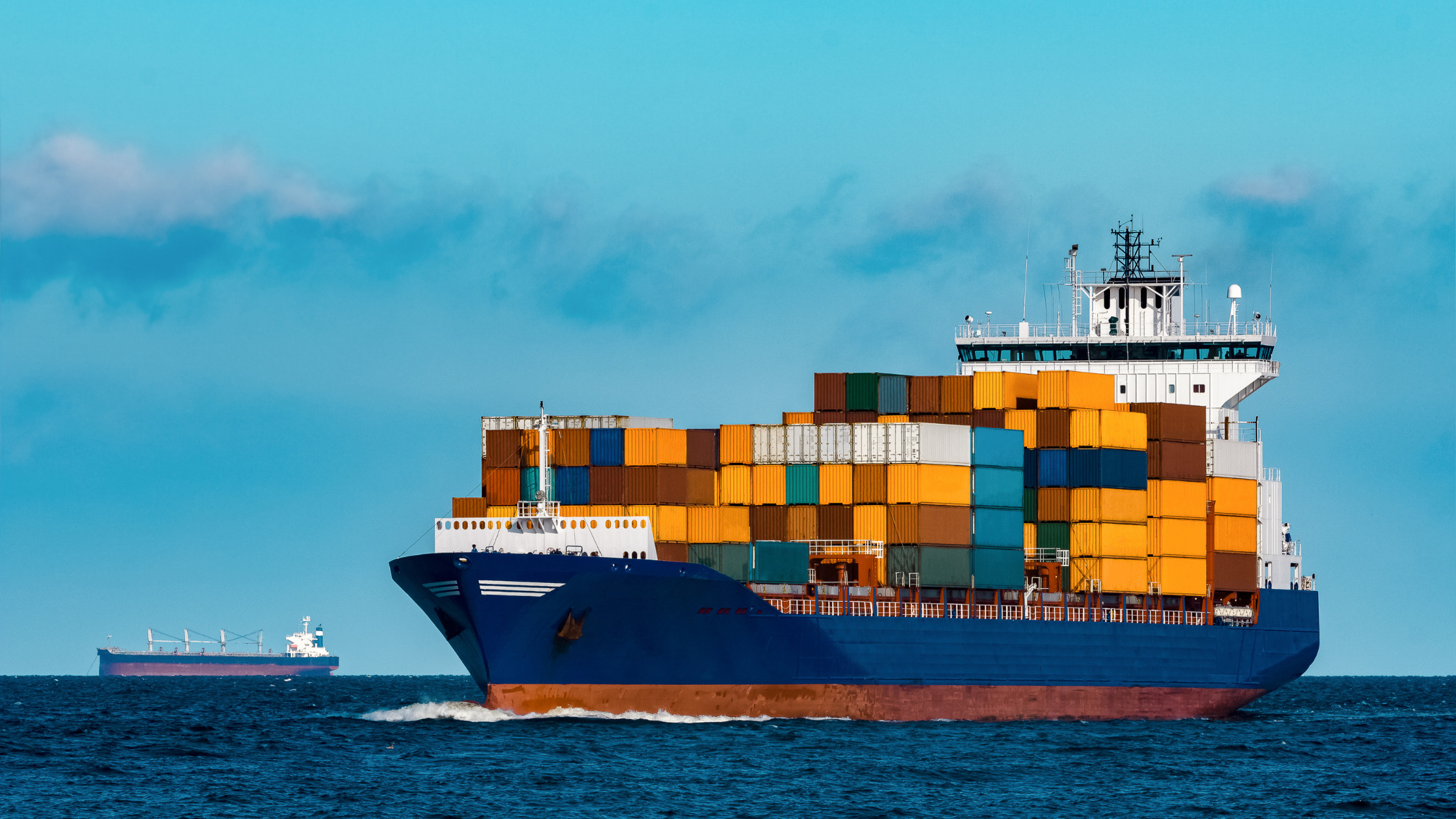
A large and continually growing share of our customers are based in the USA, making it one of the key markets in our China–USA logistics network. AI Shipping China has established long-term contract rates with leading global carriers such as COSCO, OOCL, APL, EMC, Maersk (MSK), and HMM. These strategic relationships allow us to provide highly competitive ocean and intermodal freight rates for cargo moving from China to major seaports and inland logistics centers across the United States.
With AI Shipping China as your logistics partner, shipping from China to the USA becomes clear, organized, and worry-free. After you entrust your goods to us, our experienced operations team manages the entire shipping cycle—from factory pickup and export documentation in China to customs clearance and final delivery throughout the United States. Our goal is to be your most reliable freight forwarder from China to the USA. Request a competitive quote today.
AI Shipping China offers dependable and cost-effective sea freight services from China to the USA’s main seaports and inland distribution hubs. Through long-term cooperation with key carriers such as COSCO, OOCL, APL, EMC, Maersk (MSK), and HMM, we secure favorable contract rates and stable container capacity on the core trans-Pacific trade lanes into the United States. Whether you are shipping electronics, industrial machinery, household goods, auto parts, construction materials, FMCG products, chemicals, or textiles, our ocean freight solutions are designed to keep your cargo moving smoothly and on schedule to major U.S. gateways on the West Coast, East Coast, and Gulf, as well as onward to inland hubs via rail and trucking.
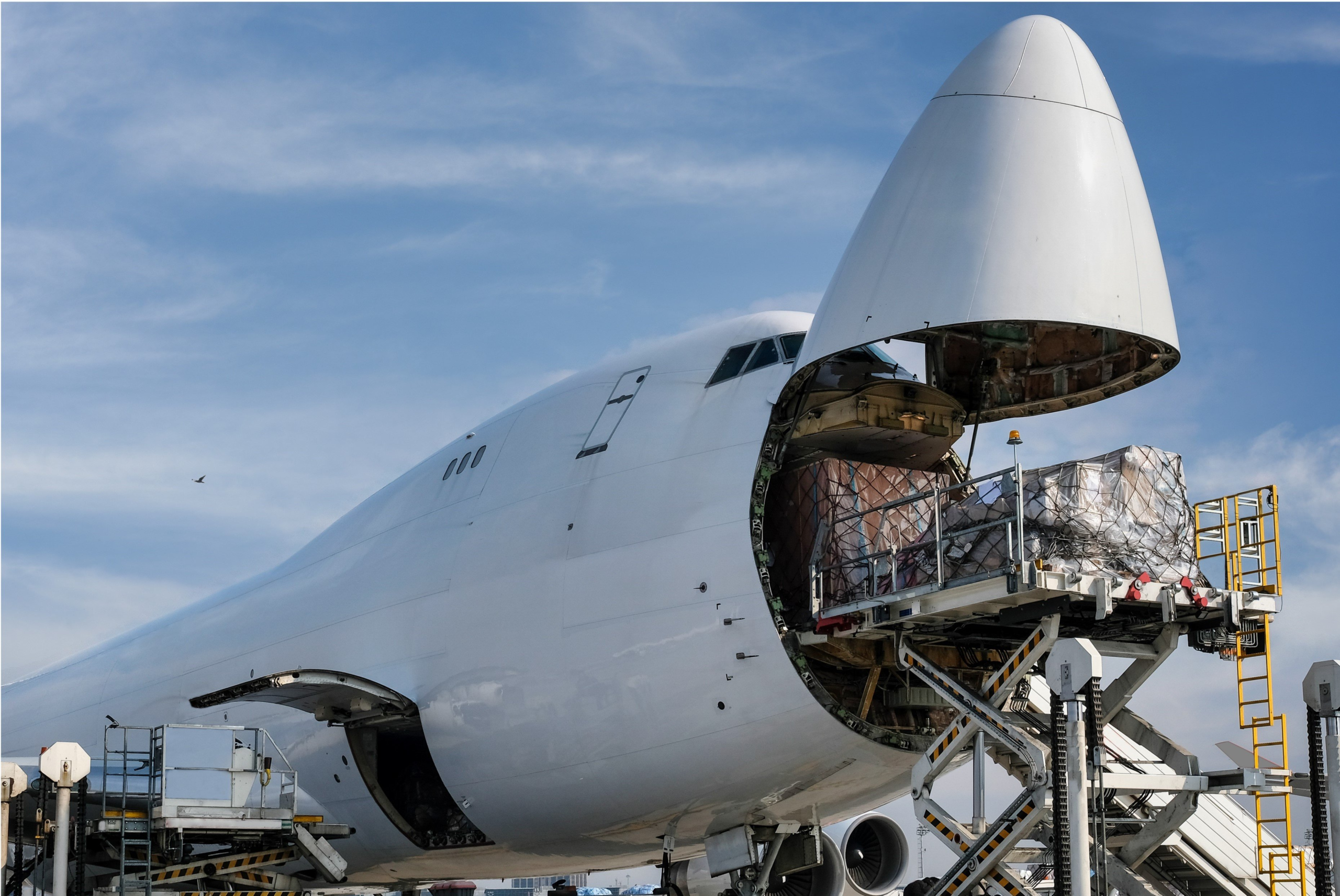
For urgent, high-value, or time-critical shipments, our air freight service provides fast and secure transportation from China to the USA. AI Shipping China designs optimized flight routes to major U.S. airports and regional air cargo hubs, ensuring predictable transit times and professional handling at both origin and destination. From collection at your supplier’s facility and export customs clearance in China to import procedures and last-mile delivery anywhere in the United States, we manage the complete air logistics chain. This service is ideal for medical supplies, pharmaceuticals, high-tech components, critical spare parts, precision instruments, premium electronics, samples, and other mission-critical cargo bound for the U.S. market.

Our door-to-door shipping service provides a comprehensive end-to-end logistics solution for companies and individuals moving cargo from China to the USA. AI Shipping China coordinates every stage of the shipment, including pickup from factories or warehouses, export documentation, ocean or air transportation, customs clearance in the United States, and final delivery to your designated address. With full visibility over your shipment, proactive communication, and strong cooperation with local partners, trucking fleets, and delivery providers throughout the USA, we create a seamless, hassle-free shipping experience from the point of origin in China right to your door in America.
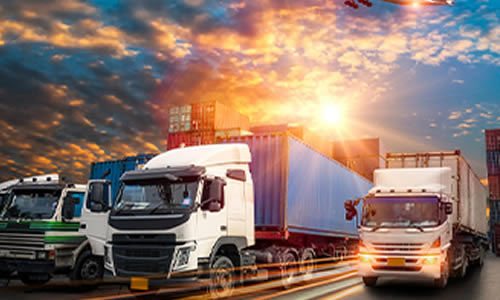
AI Shipping China provides full-container-load (FCL) shipping with competitive contract rates and dependable container availability on China–USA routes. Our operations team arranges container bookings, supervises loading at your chosen facility in China, manages export customs procedures, and organizes the ocean leg to your nominated U.S. ports, followed by inland trucking or rail distribution if needed. FCL shipping is particularly suitable for high-volume cargo such as building and construction materials, industrial and project machinery, complete production lines, household goods, automotive and aerospace components, retail inventory, and bulk textiles that require secure, dedicated container space and consistent transit times into the United States.
AI Shipping China offers the most fuel-efficient pickup service in China. By prioritizing sustainability, we ensure cost-effective and eco-friendly transportation solutions.
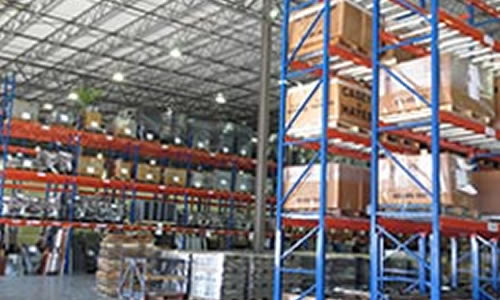
We offer complimentary warehousing solutions for all your products.
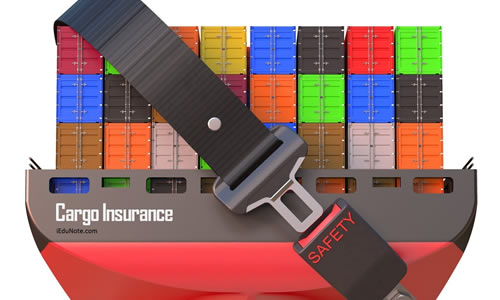
Cargo insurance ensures comprehensive protection for your goods all the way to any FBA warehouse.

We take care of all the necessary paperwork and manage every detail on your behalf.
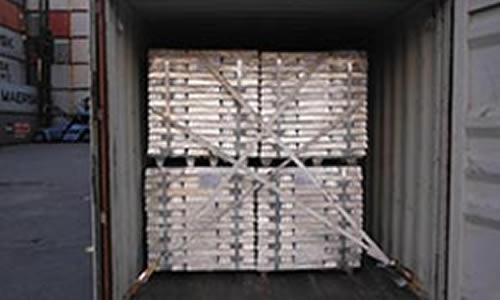
Ensure your goods are securely packaged and loaded at the supplier’s factory to prevent damage during transit.
Transit times are influenced by multiple factors, including the chosen shipping method (air or sea), the selected carrier, the distance to the U.S. destination, customs clearance efficiency, and whether the shipment is direct or requires transshipment. Each of these factors can affect the total delivery time.
Air freight is usually quicker than sea freight, with transit times typically ranging from 5 to 10 business days. Sea freight, on the other hand, generally requires 20 to 40 days. The best option depends on the urgency of the shipment and budget considerations.
Air freight carries a higher cost than sea freight because of its speed and efficiency. Sea freight is a more economical choice for larger shipments or cargo with flexible delivery schedules, whereas air freight is ideal for urgent or high-value goods.
Customs processing can affect shipping times because of potential delays in clearing goods through U.S. Customs and Border Protection. Inspections, verification of documentation, and the payment of duties and taxes may be required, all of which can extend overall delivery times.
The shipping duration can be affected by the destination within the U.S. Remote or less accessible locations may experience longer delivery times compared to major cities or well-connected regions.
Yes, expedited shipping options such as express air freight services (e.g., DHL, FedEx, UPS) are available and can deliver within 3 to 7 days, offering faster delivery for urgent shipments compared to standard air or sea freight.
Larger shipments typically require more time due to extended loading and unloading, more complex logistics, and occasional consolidation needs. In contrast, smaller shipments often move faster and more efficiently through the supply chain.
Holidays and peak seasons (e.g., Chinese New Year, U.S. holiday seasons) can cause delays due to increased shipping volumes, congestion, and potential carrier capacity issues. It's advisable to plan shipments well in advance during these periods.
Different carriers provide varying service levels and transit times. Leading carriers such as DHL, FedEx, and UPS generally offer faster delivery options than others. Selecting a reputable carrier with a proven track record can significantly impact the speed and reliability of your shipments.
Shipping to the U.S. West Coast generally takes 15 to 35 days due to the shorter distance across the Pacific Ocean. In contrast, shipping to the East Coast usually takes 25 to 45 days as it involves a longer journey across the Pacific and potentially a transit through the Panama Canal or alternative routes. The distance and additional logistical considerations contribute to the longer transit times.
Express courier services, such as those provided by DHL, FedEx, and UPS, typically offer transit times of 3 to 7 days from China to the U.S., depending on the service level and specific routing of the shipment.
Ocean shipping from China to the United States is usually used in the following situations:
Bulk goods: Sea transportation is suitable for large quantities and large volumes of goods, such as furniture, cars, machinery and equipment, etc.
Low-cost requirements: Compared with air freight, sea freight is generally less expensive and suitable for cost-sensitive goods, especially long-distance transportation.
Non-urgent cargo: If the cargo does not have urgent requirements, ocean shipping can provide a more economical option, especially for long-distance international shipments.
Stable supply chain: Ocean shipping usually has stable flight schedules and transportation times, which is suitable for goods with relatively flexible transportation time requirements.
Large machinery and equipment: Maritime transportation can accommodate large machinery and equipment and heavy cargo, such as engineering machinery, construction equipment, etc.
Seasonal goods: For goods that are not affected by seasonality, they can be reserved in advance by sea transportation to ensure sufficient supply.
Long-term cooperative relationship: If you have established a long-term cooperative relationship with suppliers or customers, ocean shipping can provide a longer-term and stable cooperation solution.
To sum up, sea transportation is usually suitable for large quantities, low value density, goods that are not urgently needed, as well as cost-sensitive and stable supply chain situations. However, since ocean shipping takes a long time and requires advance planning and booking, factors such as the characteristics of the goods, timeliness requirements, and transportation costs should be taken into consideration when choosing ocean shipping.
Port congestion can lead to delays in loading and unloading cargo. Busy ports may experience long wait times for ships to dock, increased turnaround times, and delays in customs processing. Congestion at either the origin or destination port can significantly extend overall shipping times as vessels may need to wait for available dock space and efficient cargo handling.
Sea freight costs vary based on factors such as shipment size, weight, route, and service level. Costs can include base freight charges, fuel surcharges, port fees, and customs duties. Additional charges might apply for expedited services or special handling requirements. Shipping costs are typically higher for faster transit times or premium services.
The type of cargo can influence shipping transit times due to specific handling requirements. Hazardous materials, oversized items, or goods requiring special documentation might experience longer processing times at both origin and destination ports. Additionally, certain types of cargo may need specific types of containers or additional handling, impacting overall transit efficiency.
Shipping lines play a crucial role in determining transit times through their choice of routes, schedules, and service levels. Different shipping lines may offer various transit times based on their fleet, network, and operational efficiencies. Some shipping lines offer expedited services with shorter transit times, while others may have longer, more economical options.
Customs procedures can impact shipping times by adding additional processing time for inspection, documentation, and clearance. Delays in customs can occur if there are discrepancies in paperwork, issues with tariffs, or increased scrutiny of shipments. Efficient customs clearance is essential to avoid extended delays and ensure timely delivery of goods.
Using a freight forwarder offers several benefits, including expertise in navigating complex shipping logistics, managing documentation, and optimizing routes. Freight forwarders can help streamline the shipping process, handle customs clearance, and provide valuable insights into cost-saving opportunities. Their experience and network can improve efficiency and reduce the likelihood of delays.
The choice of shipping route significantly affects transit times. Direct routes to major ports, such as those on the U.S. West Coast, typically have shorter transit times compared to routes that involve transshipment or longer distances, like those to the East Coast. Routes passing through the Panama Canal might experience delays depending on traffic and canal conditions, whereas routes through the Suez Canal might be longer but avoid certain delays.
Several factors can cause delays, including port congestion, adverse weather conditions, customs delays, and mechanical issues with the ship. Seasonal factors, such as peak shipping periods or storms, can also contribute to delays. Additionally, disruptions in global supply chains or logistical issues at transshipment points may impact the overall transit time.
Choose FCL if your shipment is large enough to fill a container, as it is usually more cost-effective and reduces handling. Opt for LCL if your shipment is smaller and doesn't fill an entire container. LCL involves sharing container space with other shipments, which may result in longer transit times.
Essential documents include the commercial invoice, packing list, bill of lading, and a certificate of origin. You may also need an import license or additional certifications depending on the nature of the goods.
Ensure that your cargo is packed securely using appropriate materials to prevent damage during transit. Clearly label all packages with destination information and handling instructions. Consider using professional packing services for high-value or delicate items.
You need to submit all required documentation including the bill of lading, commercial invoice, and packing list. Pay any applicable duties and taxes. The U.S. Customs and Border Protection (CBP) may require additional information or inspections depending on the type of goods.
Use the tracking number provided by your shipping company or freight forwarder. Most companies offer online tracking systems that allow you to monitor the status and location of your shipment in real-time.
Document the damage with photographs and contact your shipping company immediately. File a claim with the insurance provider if you purchased cargo insurance. Report the damage to U.S. Customs if necessary and follow their procedures for handling such claims.
Yes, the U.S. has restrictions and regulations for various types of goods, including hazardous materials, food products, and pharmaceuticals. Check the U.S. Customs and Border Protection website for detailed guidelines on restricted items and necessary permits.
Transit times vary based on the departure and arrival ports. On average, shipping from China to the U.S. takes between 15 to 35 days. Factors such as shipping route, weather conditions, and port congestion can affect transit times.
To minimize costs, consider consolidating shipments to increase volume, negotiate rates with shipping companies, and choose cost-effective shipping options like sea freight over air freight. Additionally, ensure that your cargo is packed efficiently to maximize container space.
When shipping goods from China to the United States, proper packaging is essential to ensure safe transit and prevent damage. Key considerations include:
1. Choosing Suitable Materials:
Use appropriate packaging such as cardboard boxes, wooden crates, foam inserts, and bubble wrap to protect items from shocks, vibrations, and collisions during transit.
2. Protective Design:
Include adequate padding between items and containers to reduce movement and friction. Clearly label contents, quantities, weight, and any special handling instructions to guide transport personnel.
3. Compliance with Standards:
Follow international regulations and standards, such as those set by IATA (air freight) or IMO (sea freight). Ensure packaging meets the size, weight, and stacking limits required by the shipping company to avoid delays or extra fees.
4. Moisture and Weather Protection:
Apply waterproofing or moisture-resistant treatments when necessary to protect goods from humidity and environmental exposure.
5. Safe Stacking and Handling:
Stack goods according to safety guidelines to prevent collapse or damage during loading, unloading, and transport.
In summary, using robust materials, effective packaging design, and adhering to international standards ensures your shipment arrives safely in the U.S. Consulting a freight forwarder or logistics provider, such as AI Shipping China, can help you meet specific packaging requirements and regulatory guidelines.
Design Quality is clean, intuitive, and visually appealing. Navigation is straightforward, and elements are well organized. Minor refinements could enhance the overall polish and user experience.
Customer Support is responsive, professional, and helpful. The team resolves issues efficiently with clear communication. Availability is good, though response times during busy periods could improve.

Features are comprehensive and consistently accessible, meeting most user needs. Core functions work reliably, and the layout makes them easy to find. Some advanced features could be more visible for better usability.