
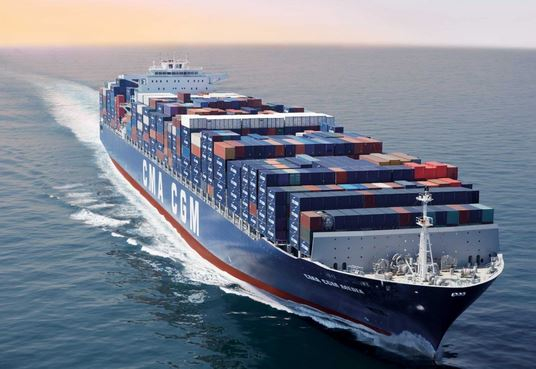
A steadily growing number of our European customers are located in Norway, making it an important market within our China–Norway logistics network. AI Shipping China maintains long-term contract rates with leading international carriers such as COSCO, OOCL, APL, EMC, Maersk (MSK), and HMM. These strategic partnerships enable us to secure highly competitive freight rates and reliable capacity for shipments from China to Norway’s major seaports, airports, and inland logistics hubs.
With AI Shipping China as your logistics partner, moving cargo from China to Norway becomes straightforward, efficient, and worry-free. Once you place your cargo in our care, our experienced team manages the entire process—from factory pickup and export documentation in China to customs clearance and final delivery throughout Norway. Our goal is to be your most dependable freight forwarder from China to Norway. Request a competitive quote today.
AI Shipping China provides reliable and cost-effective sea freight services from China to Norway’s principal ports and inland distribution centers. Through long-term cooperation with major carriers such as COSCO, OOCL, APL, EMC, Maersk (MSK), and HMM, we secure attractive contract rates and stable container capacity on key Asia–Europe trade lanes via the Suez Canal and northern European hub ports. Whether you are shipping electronics, industrial machinery, household goods, automotive parts, building materials, FMCG products, chemicals, or textiles, our ocean freight solutions are designed to ensure smooth coordination, predictable transit times, and well-managed deliveries into major Norwegian gateways such as Oslo, Bergen, Stavanger, and other regional ports.
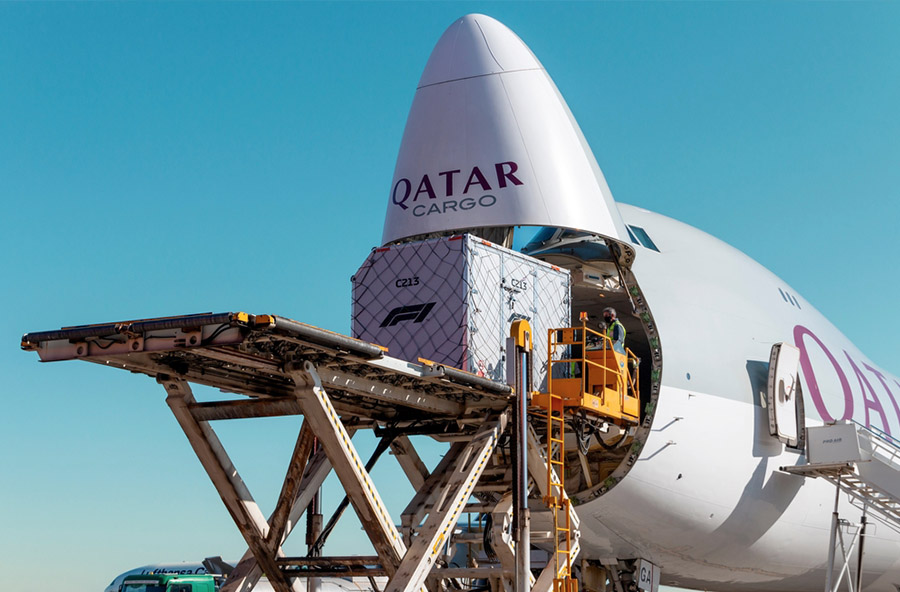
For urgent, high-value, or time-sensitive cargo, our air freight service offers fast and secure transportation from China to Norway. AI Shipping China designs optimized flight routings to key Norwegian and nearby Scandinavian airports, helping you achieve dependable transit times and professional handling from origin to destination. From pickup at your supplier’s facility and export customs clearance in China to import procedures and last-mile delivery across Norway, we manage the complete air logistics process—ideal for medical supplies, pharmaceuticals, high-tech components, critical spare parts, precision instruments, premium electronics, samples, and other mission-critical shipments.
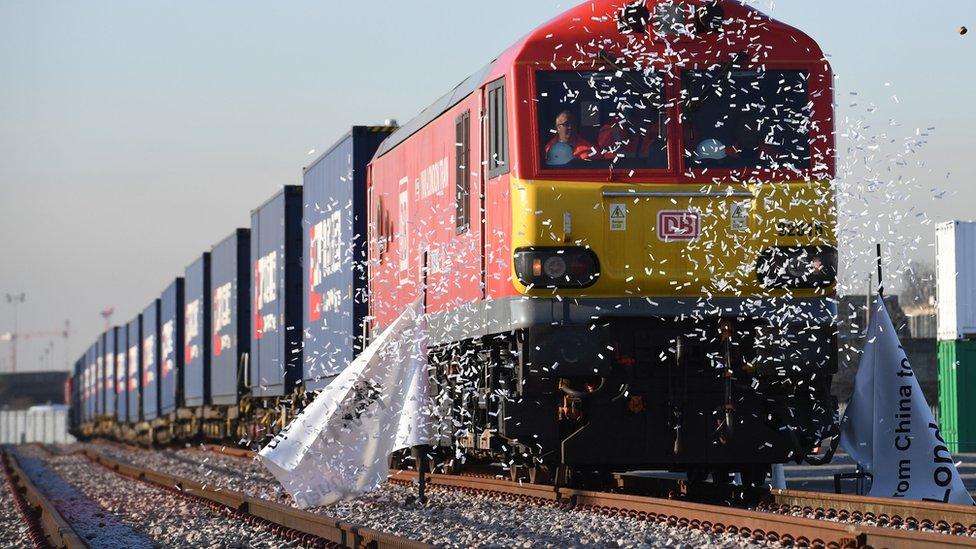
AI Shipping China delivers high-performance and sustainable rail freight solutions from China to Norway, with routings via key European intermodal gateways such as Duisburg, Malmö, and onward to Oslo. Transit times typically range between 14 and 20 days, making rail transport a dependable and budget-conscious option that also reduces environmental impact compared with air and sea freight.
Our service covers full container shipments, comprehensive cross-border customs handling, real-time cargo visibility, and last-mile distribution to major logistics hubs across Norway. Rail freight is particularly well suited for moving industrial equipment, machinery, electronic products, and temperature-controlled goods requiring stable and predictable transit conditions.

AI Shipping China offers full-container-load (FCL) shipping supported by competitive carrier contracts and dependable container availability on China–Norway routes. Our team handles container booking, supervises loading at the origin facility, manages export customs formalities in China, and arranges the ocean leg to your nominated Norwegian or nearby hub ports, followed by inland trucking, rail, or coastal feeder services where required. FCL shipping is ideal for large-volume cargo such as construction materials, industrial and project machinery, complete production lines, household goods, automotive and offshore-energy components, retail inventory, and bulk textiles that require secure, dedicated, and consistent transportation capacity into Norway.
For shipments that do not fill an entire container, our less-than-container-load (LCL) service provides a flexible and economical option from China to Norway. We consolidate multiple consignments at major Chinese ports, arrange ocean transport to primary Norwegian and northern European gateways, and then coordinate customs clearance, deconsolidation, and inland delivery to your consignee. LCL is particularly suitable for small and medium-sized enterprises, mixed-SKU consignments, aftermarket spare parts, e-commerce orders, samples, and seasonal goods, helping you keep logistics costs under control while still benefiting from professional international freight services across Norway.
AI Shipping China will provide most fuel efficient pickup service China
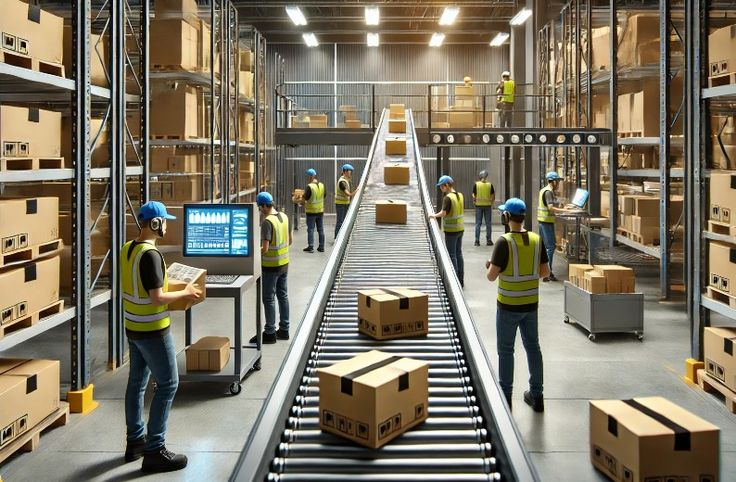
We provide free warehousing services for any of your goods.
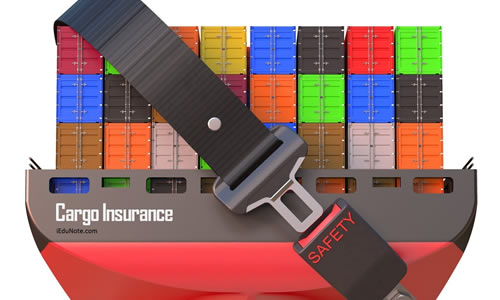
The cargo insurance protects your goods all the way to any Any FBA Warehouse
We handle all paperwork and other details for you.

Ensure safe packaging and loading of goods in your suppliers' factory.
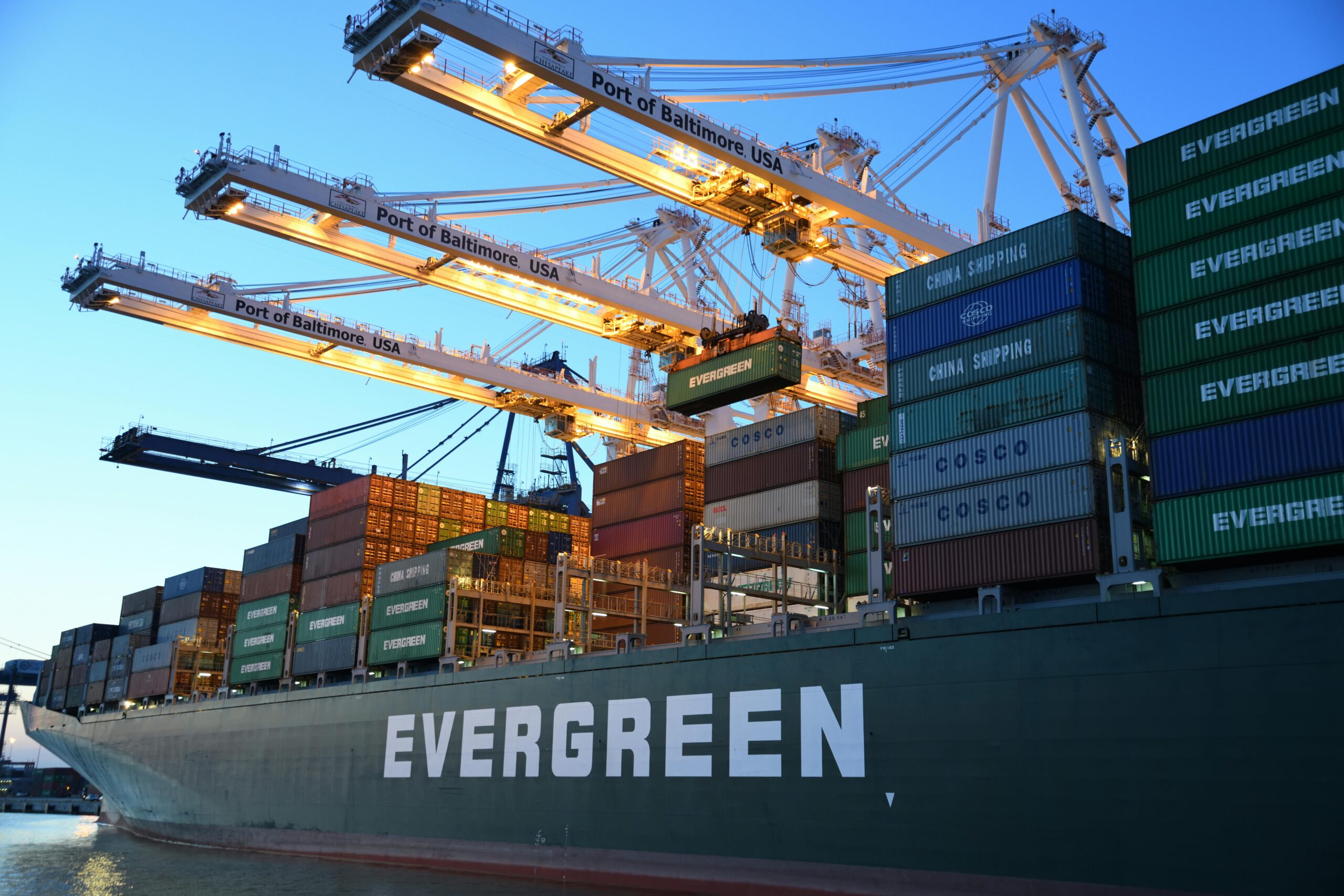
Shipping times from China to Norway depend on the transport method (air or sea), distance, customs clearance, and potential logistical delays. Air freight is faster but more expensive, while sea freight is slower yet more cost-effective. Other factors, including freight forwarder efficiency, weather conditions, and port congestion, can also impact overall transit times.
You can track your shipment from China to Norway using the tracking number provided by your freight forwarder or carrier. Most carriers offer online tracking systems that provide real-time updates on your shipment’s progress. For the most accurate information, use the carrier’s official website or mobile app.
Key shipping paperwork typically consists of a commercial invoice, packing list, bill of lading, and a certificate of origin. Based on the specific product category, extra documentation—such as conformity certificates, licenses, or import approvals—may also be necessary. Preparing all documents carefully and ensuring accuracy is crucial to avoid customs delays and ensure a smooth clearance process.
Yes, customs duties and taxes may apply to shipments from China to Norway. The exact amount depends on the type of goods and their value. Norway’s customs authorities will assess duties based on the Harmonized System (HS) code of the goods. It’s advisable to check current rates and regulations to avoid surprises.
To ensure the safety of your goods, use high-quality packaging materials, choose a reliable freight forwarder, and secure adequate insurance coverage. Properly label and document your shipment, and comply with all regulations and safety standards. Regular tracking and clear communication with your freight partner also help in ensuring safe delivery.
Air freight offers faster shipping times compared to sea freight, with typical delivery times of 7 to 14 days. It is ideal for high-value, time-sensitive, or perishable goods. Air freight also provides better security and tracking capabilities, making it a reliable option for urgent shipments.
Sea freight is generally more cost-effective but slower, with delivery times ranging from 25 to 35 days. It is suitable for large, heavy, or non-urgent shipments. Air freight is faster, with delivery typically in 7 to 14 days, but is more expensive. It is best for urgent or high-value goods.
If your shipment is delayed, first contact your freight forwarder or carrier for information. They can provide updates on the delay and potential solutions. Check tracking systems and ensure all required documents are in order. In some cases, delays may be due to customs issues or logistical problems that need resolution.
Freight charges are influenced by several variables, including the chosen transport method, the cargo’s weight and size, and the final destination. To get precise pricing, it’s best to consult your freight forwarder or use carriers’ online rate calculators. These tools factor in all relevant elements to generate a clear and detailed cost estimate.
Common challenges when shipping include customs clearance delays, fluctuating shipping rates, and the risk of damage or loss of goods. Other potential issues involve navigating complex regulations, unexpected costs, and logistical disruptions. Partnering with a reliable freight forwarder and thorough preparation can help minimize these risks and ensure smoother shipping operations.
Design Quality is clean, intuitive, and visually appealing. Navigation is straightforward, and elements are well organized. Minor refinements could enhance the overall polish and user experience.
Customer Support is responsive, professional, and helpful. The team resolves issues efficiently with clear communication. Availability is good, though response times during busy periods could improve.

Code Quality is structured, readable, and maintainable. Logic is clear, and conventions are consistent. Documentation supports understanding, though more testing and modularization could boost robustness.