
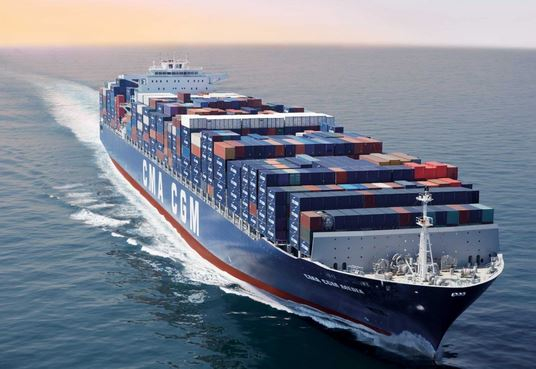
A steadily growing share of our European customers are located in Serbia and the wider Western Balkans region, making this market an important pillar of our China–Serbia logistics network. AI Shipping China maintains long-term contract agreements with leading global ocean carriers such as COSCO, OOCL, APL, EMC, Maersk (MSK), and HMM. Through these strategic partnerships, we secure reliable capacity and highly competitive freight rates for containerised shipments from China to Serbia’s main seaports, rail hubs, and inland logistics centres.
With AI Shipping China as your logistics partner, moving cargo from China to Serbia becomes clear, efficient, and low‑risk. Once your goods are entrusted to us, our experienced team manages the entire operation—from pickup at your factory, export documentation and customs clearance in China, through the main sea/rail leg via regional gateways, to final delivery at your address in Serbia. Our goal is to be your most dependable, long‑term freight forwarder from China to Serbia. Request a tailored, competitive quote today.
AI Shipping China provides reliable and cost‑effective sea freight solutions from China to Serbia, using major Adriatic, Black Sea, and Mediterranean ports—such as Piraeus, Thessaloniki, Bar, Rijeka, Koper, Trieste, and Constanța—combined with rail and trucking into Serbian logistics hubs including Belgrade, Novi Sad, Niš, and other industrial cities. By leveraging long‑term cooperation with carriers like COSCO, OOCL, APL, EMC, Maersk (MSK), and HMM, we secure attractive contract rates and stable container capacity on the main Asia–Europe trade lanes that serve Serbia. Whether you are shipping electronics, industrial machinery, household goods, automotive parts, construction materials, FMCG products, chemicals, or textiles, our ocean freight solutions are designed for smooth coordination, predictable transit times, and efficient distribution throughout Serbia and the surrounding region.
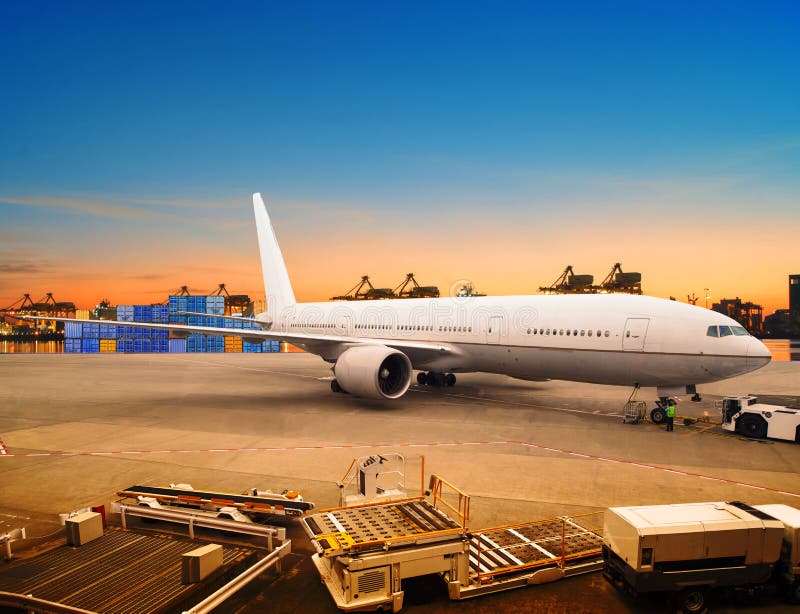
For urgent, high‑value, or time‑sensitive shipments, our air freight service offers fast and secure transport from China to Serbia. AI Shipping China designs optimised routings into Belgrade Nikola Tesla Airport and other key European air hubs that serve Serbia, ensuring reliable transit times and professional handling at each node. From pickup at your supplier’s facility and export customs clearance in China to import handling and last‑mile delivery across Serbia, we manage the complete air logistics chain—ideal for medical supplies, pharmaceuticals, high‑tech components, critical spare parts, precision instruments, premium electronics, fashion items, samples, and other mission‑critical cargo bound for Serbia.

Our door‑to‑door shipping service delivers a complete end‑to‑end logistics solution for companies and individuals moving cargo from China directly to Serbia. AI Shipping China coordinates every stage of the journey, including factory or warehouse pickup in China, export documentation and customs formalities, international sea or air transportation via suitable European gateways, import customs clearance in Serbia, and final delivery to your specified address—whether it is a commercial warehouse, distribution centre, retail store, industrial plant, construction site, or private residence. With full shipment visibility, proactive communication, and close cooperation with trusted local partners and trucking fleets throughout Serbia, we ensure a seamless, hassle‑free shipping experience from origin in China all the way to your door in Serbia.

AI Shipping China offers full‑container‑load (FCL) shipping from China to Serbia, supported by strong carrier contracts and dependable container availability on Asia–Europe routes that connect to Serbian corridors. Our team handles container booking, supervises loading at your facility in China, manages export customs clearance, and organises the main sea leg to your nominated ports—such as Piraeus, Thessaloniki, Bar, Rijeka, Koper, Trieste, or Constanța—followed by rail or trucking into Serbia as required. FCL shipping is ideal for large‑volume cargo such as construction and infrastructure materials, industrial and project machinery, complete production lines, household relocations, automotive and engineering components, retail inventory, and bulk textiles that require secure, dedicated, and consistent transportation into Serbia.
For shipments that do not fill a full container, our less‑than‑container‑load (LCL) service offers a flexible and economical option from China to Serbia. We consolidate multiple consignments at major Chinese ports, arrange ocean transport to primary European hubs, and then use rail and trucking services to reach Serbian destinations such as Belgrade, Novi Sad, Niš, Kragujevac, and other cities. After arrival, we handle customs clearance and arrange final delivery to your consignee. LCL is particularly suitable for small and medium‑sized enterprises, mixed‑SKU consignments, aftermarket spare parts, e‑commerce orders, samples, and seasonal goods, helping you manage logistics costs while still benefiting from professional, end‑to‑end international freight service into Serbia.
AI Shipping China will provide most fuel efficient pickup service China
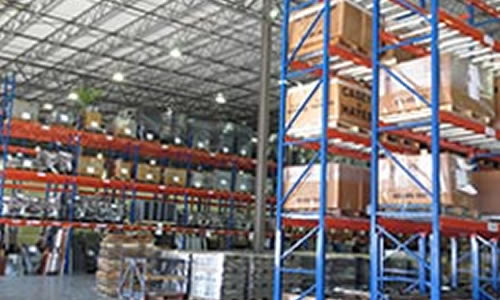
We provide free warehousing services for any of your goods.
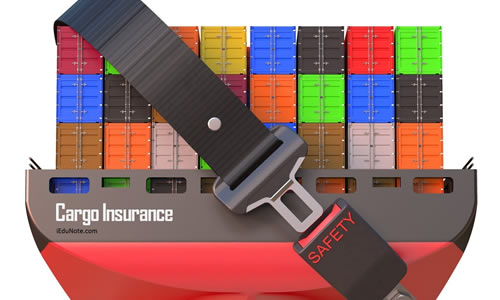
The cargo insurance protects your goods all the way to any Any FBA Warehouse

We handle all paperwork and other details for you.
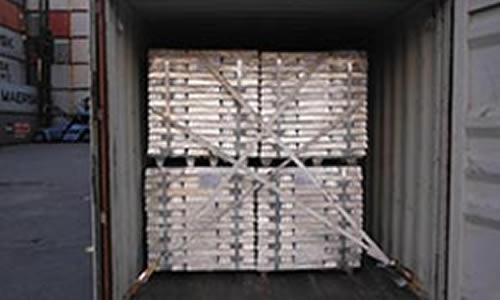
Ensure safe packaging and loading of goods in your suppliers' factory.
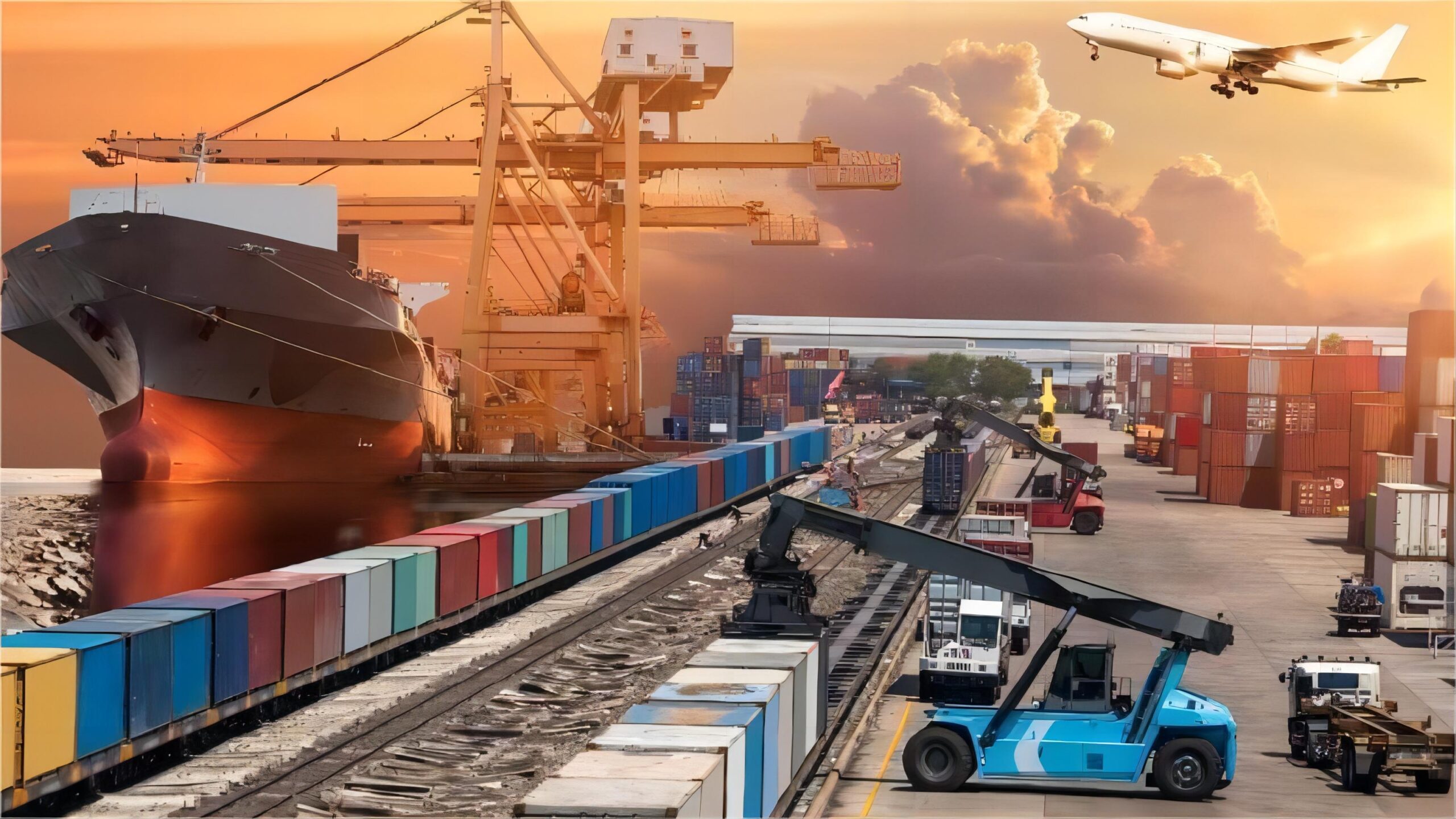
Serbia imports a variety of electronic products from China, including smartphones, laptops, tablets, and household appliances. These goods are highly sought after due to their competitive pricing and advanced technological features.
Serbia’s textile import industry from China benefits the country by providing affordable clothing and fabric options, stimulating local retail markets, and supporting fashion and apparel businesses with a diverse range of products.
Serbia imports various types of industrial machinery from China, including manufacturing equipment, construction machinery, agricultural machines, and tools for different industrial applications.
Chinese furniture is popular in Serbia due to its cost-effectiveness, diverse designs, and high availability. It caters to various consumer preferences and fits well within different budget ranges.
Main challenges include navigating customs regulations, ensuring product quality, managing logistics and transportation risks, and dealing with potential language barriers during communication with suppliers.
Importers can ensure quality by conducting thorough supplier evaluations, requesting product samples, performing quality inspections, and maintaining strong communication with suppliers regarding standards and expectations.
Freight forwarders manage logistics, ensure compliance with regulations, provide tracking and monitoring services, handle documentation, and offer solutions for efficient and secure transportation of goods.
Environmental considerations include minimizing carbon footprints by optimizing shipping routes, choosing eco-friendly packaging, adhering to environmental regulations, and working with suppliers committed to sustainable practices.
The trade relationship between China and Serbia has strengthened, with increased bilateral trade agreements, infrastructure projects under the Belt and Road Initiative, and a growing exchange of goods and services benefiting both economies.
The future of trade between China and Serbia looks promising, with potential growth in sectors such as technology, renewable energy, automotive, and agricultural products. This expansion is supported by ongoing economic cooperation, investment initiatives, and bilateral trade agreements.
Features are comprehensive and consistently accessible, meeting most user needs. Core functions work reliably, and the layout makes them easy to find. Some advanced features could be more visible for better usability.

Customer Support is responsive, professional, and helpful. The team resolves issues efficiently with clear communication. Availability is good, though response times during busy periods could improve.

Code Quality is structured, readable, and maintainable. Logic is clear, and conventions are consistent. Documentation supports understanding, though more testing and modularization could boost robustness.