
A portion of our South and Central Asian enquiries relate to Afghanistan, a landlocked country with a complex security and regulatory environment. AI Shipping China closely monitors all applicable UN sanctions, export-control rules, and local regulations. Any potential movements involving Afghanistan are evaluated case by case for full legal, security, and compliance compatibility, and we do not arrange shipments that would breach sanctions or safety requirements.
With AI Shipping China as your partner, any request connected to Afghanistan is handled with maximum transparency and a strict focus on compliance and risk management. Before accepting a booking, our team reviews the cargo, parties involved, and routing options to confirm whether the shipment is permissible and operationally feasible. Our goal is to give clear guidance, avoid non‑compliant or unsafe activities, and help protect our customers throughout the China–Afghanistan corridor. Contact us for a detailed compliance and feasibility review of your case.
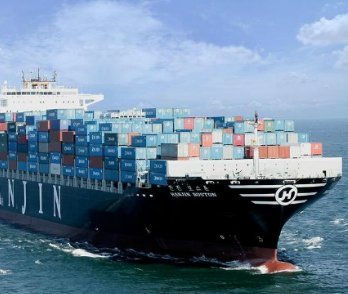
AI Shipping China does not provide standard commercial sea freight services directly from China to Afghanistan, as the country is landlocked and depends on neighbouring states’ ports and transit routes. Any ocean shipment that may ultimately be destined for Afghanistan—typically via ports such as Karachi, Port Qasim, Chabahar or other regional hubs—is subject to rigorous sanctions, safety, and customs-compliance screening. We can, where lawful and operationally realistic, design multimodal routings that use compliant ports and overland corridors, but will decline any sea or multimodal movement that would violate sanctions, local regulations, or security advisories.
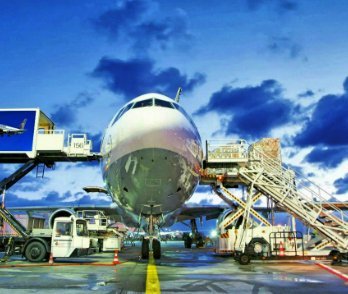
For air transport, we do not operate routine, scheduled commercial air freight services from China to Afghanistan. All air-related enquiries involving Afghanistan are reviewed first from a compliance, safety, and operational-risk perspective. Where regulations, airspace restrictions, or security assessments make a route unsuitable, we will not accept the movement. In limited, lawful scenarios—for example certain humanitarian or institutional shipments—we may assess indirect routings via regional hubs and then advise whether any air or air–road solution is realistically and legally possible.

Our typical door‑to‑door product is not offered as a standard service into Afghanistan due to the fluid security situation and regulatory constraints. Instead, AI Shipping China focuses on providing tailored consulting and, where feasible, segmented logistics solutions: for example, moving cargo from China to an approved regional hub, with onward delivery into Afghanistan only if it is clearly permitted, safe, and supported by vetted local partners. For any commercial, NGO, or project enquiry, we begin with a detailed sanctions, risk, and route feasibility check before suggesting potential logistics plans.
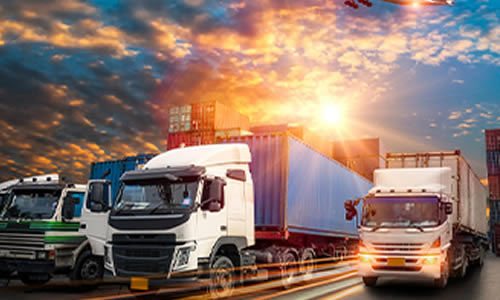
Given the heightened risk and regulatory complexity, AI Shipping China does not promote standard full‑container‑load (FCL) lanes “from China to Afghanistan” in the same way as to other markets. FCL shipments that are ultimately bound for Afghanistan and move via regional ports or dry ports require thorough document checking, end‑use/end‑user verification, and sometimes involvement of government or institutional stakeholders. If a proposed FCL movement cannot fully meet sanctions, security, and customs requirements, we will not proceed. Where possible, we may recommend alternative destinations, staging hubs, or structures to keep your supply chain within legal and operational limits.
Similarly, we do not operate routine less‑than‑container‑load (LCL) consolidation services marketed as China–Afghanistan lanes. Consolidated flows are inherently more complex to control in high‑risk, heavily regulated environments, so any LCL enquiry with a link to Afghanistan is treated as high‑risk and subject to strict rejection unless clearly proven to be lawful, low‑risk, and properly authorised. Instead, we focus on helping customers use compliant LCL routes into safer regional hubs, from which they can explore onward options that meet all prevailing regulations and security guidelines.
AI Shipping China will provide most fuel efficient pickup service China
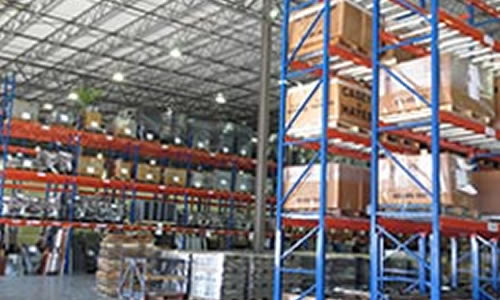
We provide free warehousing services for any of your goods.
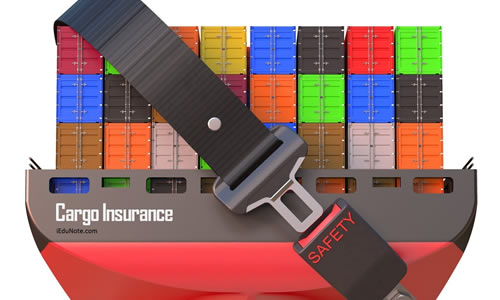
The cargo insurance protects your goods all the way to any Any FBA Warehouse

We handle all paperwork and other details for you.
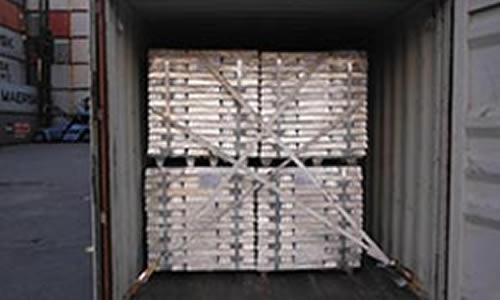
Ensure safe packaging and loading of goods in your suppliers' factory.
Shipping from China to Afghanistan generally takes between 15 and 30 days. Air freight offers the fastest option, usually requiring 7 to 10 days, while sea freight—due to longer transit times and port handling—can take 20 to 30 days.
Air freight from China to Afghanistan generally takes 7 to 10 days.
This option is significantly faster than sea freight, which can take up to 30 days depending on factors such as the shipping route and handling times.
Sea freight from China to Afghanistan generally takes between 20 and 30 days. The extended time frame accounts for the longer journey and potential delays at ports along the route.
Air cargo from China to Afghanistan usually arrives in about 7 to 10 days. This is a faster option compared to sea cargo, which may take significantly longer due to extended shipping routes and port delays.
The average shipping time from China to Afghanistan ranges from 15 to 30 days. Air shipments are quicker, typically taking 7 to 10 days, whereas sea shipments may take longer, up to 30 days, due to various logistical factors.
Sea freight from China to Afghanistan usually requires 20 to 30 days. This extended duration is due to the lengthy shipping route and potential delays at ports.
Shipping goods from China to Afghanistan typically takes 15 to 30 days. Air freight offers a faster transit time of 7 to 10 days, while sea freight may extend to 20 to 30 days.
Transporting cargo from China to Afghanistan generally takes 15 to 30 days. Air freight is faster, with a typical duration of 7 to 10 days, whereas sea freight can take up to 30 days.
For air freight shipments from China to Afghanistan, transit typically takes 7 to 10 days.
This method is considerably faster than sea freight, which can require 20 to 30 days depending on route and handling conditions.
Sea freight from China to Afghanistan typically takes 20 to 30 days. The longer transit time is mainly due to the extended shipping route and potential delays at ports.
Features are comprehensive and consistently accessible, meeting most user needs. Core functions work reliably, and the layout makes them easy to find. Some advanced features could be more visible for better usability.

Customer Support is responsive, professional, and helpful. The team resolves issues efficiently with clear communication. Availability is good, though response times during busy periods could improve.
Design Quality is clean, intuitive, and visually appealing. Navigation is straightforward, and elements are well organized. Minor refinements could enhance the overall polish and user experience.