
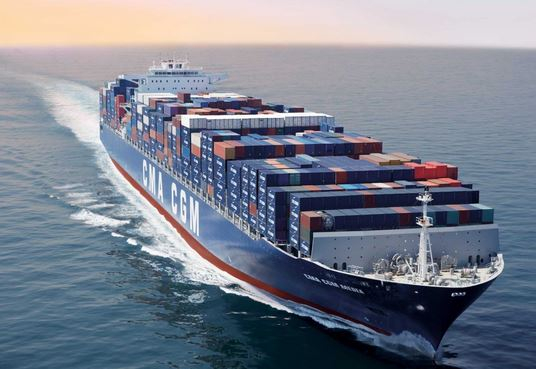
A steadily growing share of our European customers are based in Belgium, making it a core market within our China–Belgium logistics network. AI Shipping China maintains long-term contract rates with leading international carriers such as COSCO, OOCL, APL, EMC, Maersk (MSK), and HMM. These strategic partnerships enable us to secure highly competitive freight rates and stable capacity for shipments from China to Belgium’s major seaports, airports, and inland logistics hubs.
Choosing AI Shipping China as your logistics partner makes shipping from China to Belgium clear, efficient, and worry-free. Once your goods are in our hands, our experienced team manages the complete process—from pickup at the factory and export documentation in China to customs clearance and final delivery across Belgium. Our aim is to be your most reliable freight forwarder from China to Belgium. Request a competitive quote today.
AI Shipping China provides reliable and cost-effective sea freight services from China to Belgium’s principal ports and inland distribution centers. Through long-term cooperation with major carriers such as COSCO, OOCL, APL, EMC, Maersk (MSK), and HMM, we secure attractive contract rates and stable container capacity on key Asia–Europe trade lanes via the Suez Canal and other core routes. Whether you are shipping electronics, industrial machinery, household goods, automotive parts, building materials, FMCG products, chemicals, or textiles, our ocean solutions are designed to ensure smooth coordination, predictable transit times, and well-managed deliveries into major Belgian gateways such as the Port of Antwerp-Bruges and Zeebrugge, as well as surrounding inland hubs.
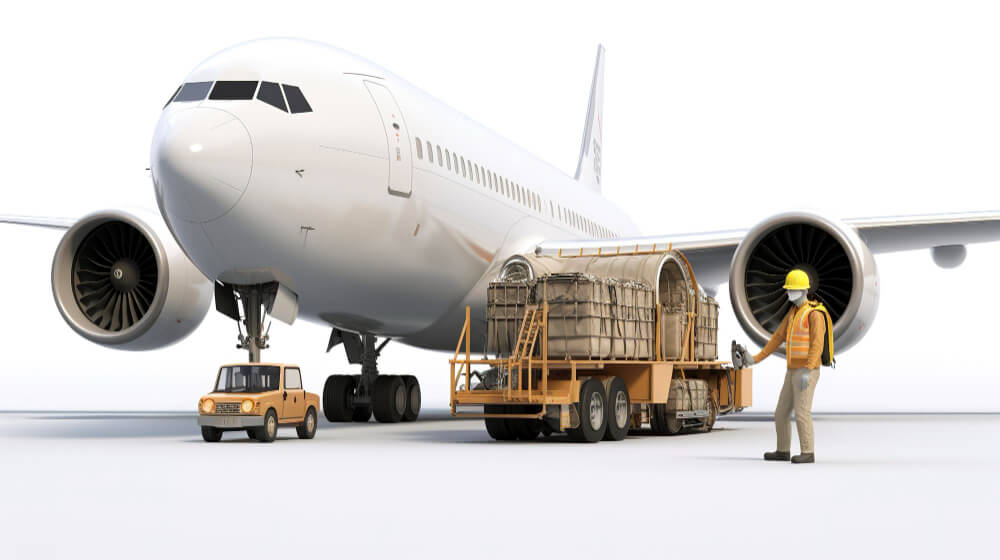
For urgent, high-value, or time-sensitive cargo, our air freight service offers fast and secure transportation from China to Belgium. AI Shipping China designs optimized flight routings to key Belgian airports—such as Brussels Airport and Liège Airport—and regional air cargo hubs, helping you achieve dependable transit times and professional handling from origin to destination. From pickup at your supplier’s facility and export customs clearance in China to import procedures and last-mile delivery throughout Belgium, we manage the complete air logistics process—ideal for medical supplies, pharmaceuticals, high-tech components, critical spare parts, precision instruments, premium electronics, samples, and other mission-critical shipments.

AI Shipping China delivers reliable rail freight solutions linking China and Belgium, combining speed and cost efficiency in one streamlined service. Rail transport offers significantly shorter transit times than ocean freight while remaining more economical than air shipping.
Our team oversees the full logistics chain, from cargo consolidation and customs formalities to coordinated movements through major European rail hubs. This end-to-end management guarantees a safe, efficient, and on-schedule arrival of your shipments.
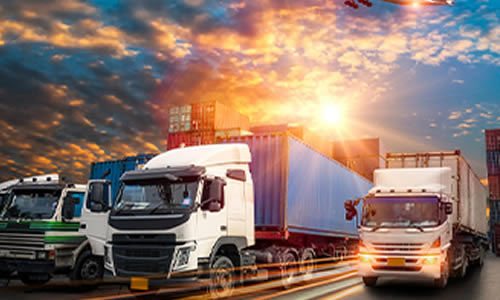
AI Shipping China offers full-container-load (FCL) shipping supported by competitive carrier contracts and dependable container availability on China–Belgium routes. Our team handles container booking, supervises loading at the origin facility, manages export customs formalities in China, and arranges the ocean leg to your nominated Belgian ports, followed by inland trucking, rail, or barge distribution where required. FCL shipping is ideal for large-volume cargo such as construction materials, industrial and project machinery, complete production lines, household goods, automotive and aerospace components, retail inventory, and bulk textiles that require secure, dedicated, and consistent transportation capacity into Belgium.
For shipments that do not fill an entire container, our less-than-container-load (LCL) service provides a flexible and economical option from China to Belgium. We consolidate multiple consignments at major Chinese ports, arrange ocean transport to primary Belgian and nearby European gateways, and then coordinate customs clearance, deconsolidation, and inland delivery to your consignee. LCL is particularly suitable for small and medium-sized enterprises, mixed-SKU consignments, aftermarket spare parts, e-commerce orders, samples, and seasonal goods, helping you keep logistics costs under control while still benefiting from professional international freight services across Belgium.
AI Shipping China will provide most fuel efficient pickup service China
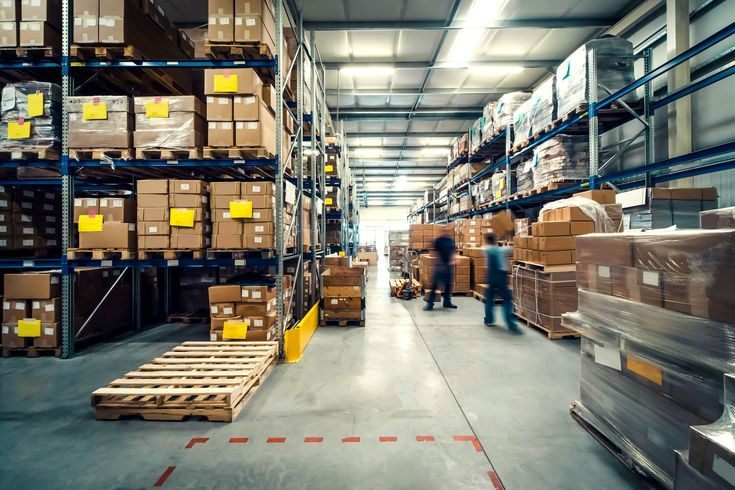
We provide free warehousing services for any of your goods.
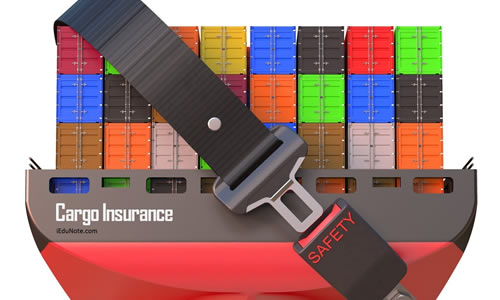
The cargo insurance protects your goods all the way to any Any FBA Warehouse

We handle all paperwork and other details for you.

Ensure safe packaging and loading of goods in your suppliers' factory.
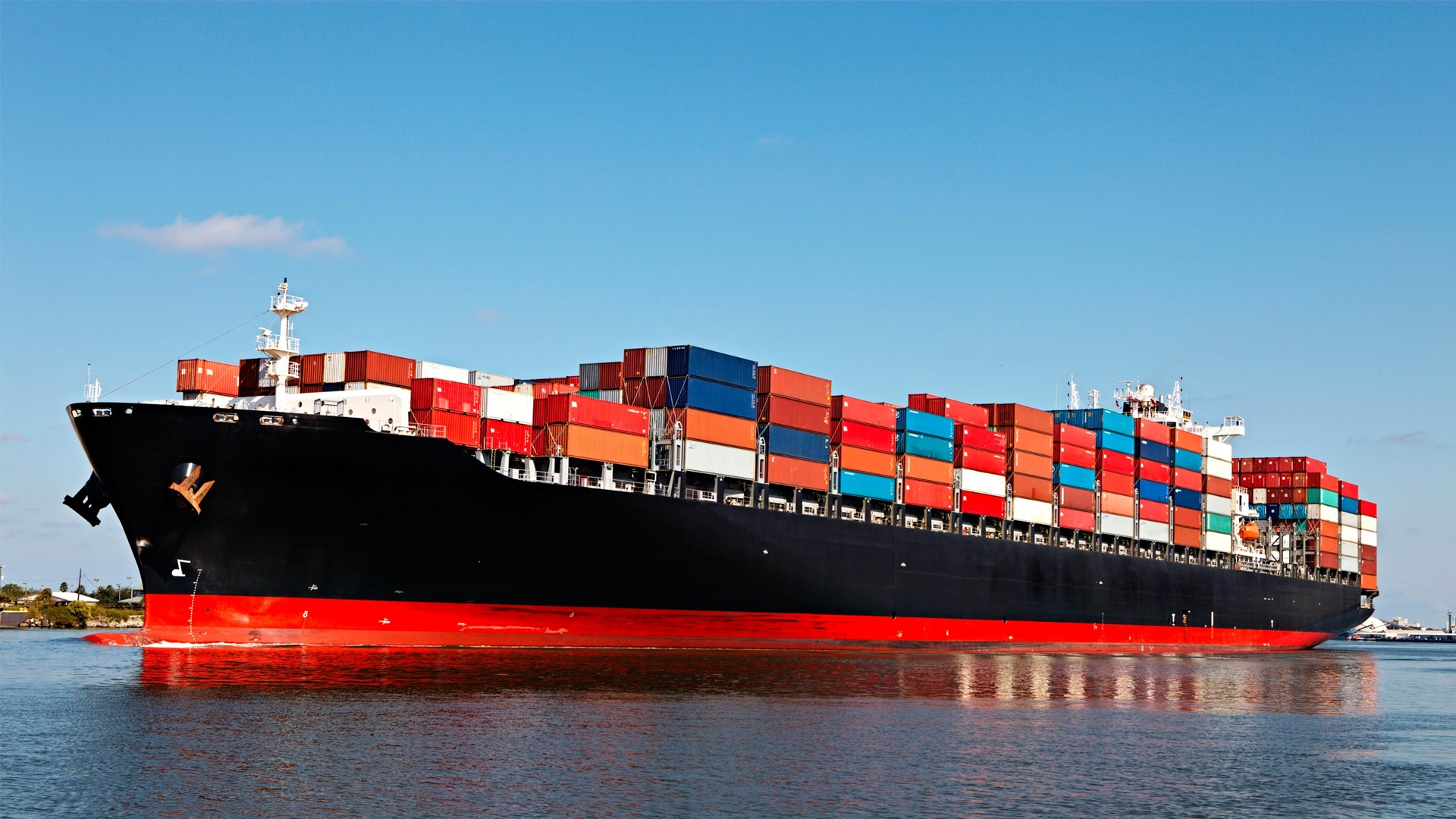
Smooth Shipping from China to Belgium: Step-by-Step
Why Choose AI Shipping China?
Gain access to Belgium’s most efficient port operations, including Antwerp’s average 48-hour turnaround, while ensuring full compliance with EU regulations.
Contact us today for a personalized quote and enjoy streamlined, reliable logistics from China to Belgium.
When shipping from China to Belgium, air freight provides flexible solutions tailored to your cargo type, urgency, and budget.
Direct Air Freight
Consolidated Air Freight
Express Courier Services
Charter Services
Why Choose AI Shipping China for Air Freight?
Next Step: Request a quote to explore Belgium-specific air freight solutions customized to your cargo, timeline, and budget.
To ensure smooth and efficient shipping from China to Belgium, follow this clear, step-by-step approach:
Start by choosing a trusted freight forwarder with proven experience in the Belgian market, such as AI Shipping China. Prioritize providers familiar with operations at major ports like Antwerp and Zeebrugge, as well as EU requirements such as EORI registration. Then, request a tailored quotation by sharing key shipment details, including cargo category (for example, textiles or industrial equipment), shipment volume, and final destination cities like Brussels or Ghent. You can also use our online quotation system to quickly obtain FCL or LCL pricing.
After confirming the quote, proceed with the booking. Our logistics team will arrange container space and prepare Belgium-compliant documentation, including commercial invoices, packing lists with CE compliance, and EUR.1 certificates to support potential duty reductions. At the same time, ensure your goods are packaged to withstand colder European weather conditions and secure marine insurance to cover risks along the North European transit route.
Prior to shipment departure, provide your EORI number and VAT information to our local Belgian partners. We facilitate advance customs processing at Antwerp through simplified clearance procedures, helping minimize congestion and delays upon arrival. During transit, you can monitor your shipment through carrier tracking systems such as Maersk or COSCO, with typical sailing times from Shanghai to Antwerp ranging between 28 and 35 days. Upon arrival, opt for direct delivery to locations like Brussels or arrange pickup from Zeebrugge, depending on your preference.
By working with AI Shipping China, you gain access to Belgium’s highly efficient port infrastructure—where average turnaround times at Antwerp are approximately 48 hours—while ensuring full compliance with EU trade regulations. Contact us today to receive a customized quote and enjoy a stress-free China-to-Belgium shipping experience.
Calculating shipping costs from China to Belgium involves several factors that impact the final price. Here's a simplified outline of how shipping costs are typically calculated:
Shipping Method: Choose between sea freight, air freight, or express courier services. Each method has different cost structures based on speed and handling.
Cargo Details: Provide details such as the size (dimensions), weight, volume (cubic meters or cubic feet), and type of goods being shipped. These factors determine the shipping rate.
Origin and Destination: Specify the port or city in China where the goods will be shipped from and the destination in Belgium (e.g., port city or inland city).
Additional Services: Consider additional services such as insurance, customs clearance, packing/unpacking, and warehousing if needed. These services add to the total shipping cost.
Freight Rates: Obtain quotes from freight forwarders, shipping companies, or logistics providers. They will calculate shipping costs based on the factors above and provide a detailed breakdown of charges.
Currency and Fees: Be aware of currency exchange rates and any additional fees such as fuel surcharges, terminal handling charges, or documentation fees that may apply.
To get an accurate shipping cost estimate, it's advisable to contact multiple shipping providers for quotes. Provide detailed information about your shipment and clarify any additional services or special requirements to ensure the quote reflects all relevant costs. This approach helps in comparing options and selecting the most cost-effective shipping solution from China to Belgium.
The typical shipping time from China to Belgium can vary depending on the shipping method chosen:
Sea Freight: Sea freight from China to Belgium usually takes around 4-6 weeks. This duration includes transit time from Chinese ports (e.g., Shanghai, Ningbo, Shenzhen) to ports in Belgium (e.g., Antwerp, Zeebrugge). Factors such as weather conditions, port congestion, and transshipment at intermediate ports can affect the exact delivery time.
Air Freight: Air freight offers a much faster shipping option with transit times averaging 1-2 days for direct flights. However, this method is generally more expensive compared to sea freight and is preferred for urgent shipments or goods requiring quick delivery.
Rail Freight: Increasingly popular, rail freight connects China to Europe, including Belgium, via the Silk Road Economic Belt route. Transit times by rail typically range from 12 to 16 days, offering a middle ground between sea and air freight in terms of cost and speed.
Overall, the choice of shipping method depends on factors such as cost considerations, urgency of delivery, and the nature of the goods being transported. Planning ahead and coordinating with a reliable freight forwarder can help ensure timely delivery and efficient logistics management from China to Belgium.
Choosing the right shipping method from China to Belgium involves several considerations to ensure your goods are transported efficiently and cost-effectively:
Type of Goods: Consider the nature of your goods, such as size, weight, fragility, and any special handling requirements. Fragile or perishable items may require air freight for faster and safer transport.
Urgency: Determine the urgency of delivery. Air freight is faster but more expensive, making it suitable for time-sensitive shipments. Sea freight is slower but more economical for less urgent deliveries.
Cost Considerations: Evaluate your budget and compare the costs of different shipping methods. Sea freight is generally cheaper for large volumes, while air freight is more costly but quicker for smaller shipments.
Volume of Goods: If shipping a large volume of goods, sea freight (FCL or LCL) may be more economical due to lower cost per cubic meter compared to air freight.
Accessibility and Infrastructure: Consider the availability and convenience of transport infrastructure at both ends (China and Belgium). Ensure the chosen shipping method aligns with the logistical capabilities of your suppliers and receivers.
Customs and Regulatory Compliance: Factor in customs clearance procedures and regulations. Some goods may have specific requirements or restrictions that influence the choice of shipping method.
Environmental Impact: Consider the environmental impact of your shipping choice, especially for sustainability-conscious businesses. Sea freight generally has a lower carbon footprint compared to air freight.
Logistics Support: Work with a reputable freight forwarder or shipping company that offers comprehensive logistics support, including tracking, customs clearance, and handling of documentation.
By carefully evaluating these factors and consulting with logistics professionals or freight forwarders, you can choose the optimal shipping method from China to Belgium that meets your specific needs for cost, speed, and reliability.
When shipping goods from China to Belgium, several documents and certificates are typically required for customs clearance and legal compliance:
Commercial Invoice: A detailed invoice that includes information about the buyer and seller, description of goods, quantity, unit price, total value, currency, and terms of sale (Incoterms).
Packing List: A list detailing the contents of each package or container, including the dimensions, weight, and packaging materials used.
Bill of Lading (B/L) or Air Waybill (AWB)**: A contract between the shipper and carrier that serves as a receipt for the goods, evidence of the contract of carriage, and a document of title to the goods.
Certificate of Origin: A document certifying the country of origin of the goods. This may be required for customs clearance and to qualify for preferential tariffs under trade agreements.
Insurance Certificate: If the goods are insured during transit, a certificate of insurance may be required to verify coverage and details of the insurance policy.
Import Licenses or Permits: Certain goods may require import licenses, permits, or certificates issued by relevant authorities in Belgium. Examples include agricultural products, pharmaceuticals, and controlled substances.
Phytosanitary Certificate: Required for shipments of plants, plant products, and certain agricultural goods to certify compliance with health and safety standards.
Certificates for Specific Goods: Depending on the nature of the goods, additional certificates or documents may be required. Examples include certificates for hazardous materials, chemicals, electronics, and food products.
Customs Declaration: A document declaring the value, description, and quantity of the imported goods for customs purposes.
It's essential to consult with your freight forwarder or shipping agent to determine the specific documentation requirements for your shipment from China to Belgium. Proper preparation and accurate documentation help facilitate smooth customs clearance and ensure compliance with Belgian import regulations.
Handling customs clearance from China to Belgium involves several steps to ensure compliance with Belgian import regulations and smooth processing of your shipment:
Prepare Documentation: Gather all necessary documents including the commercial invoice, packing list, bill of lading (B/L) or air waybill (AWB), certificate of origin, insurance certificate, and any required import licenses or permits.
Work with a Customs Broker: Consider hiring a customs broker or working with a freight forwarder experienced in handling customs procedures for shipments to Belgium. They can provide expertise in navigating complex customs regulations and ensure accurate documentation.
Submit Documentation: Provide the required documentation to the customs broker or freight forwarder in advance. They will review and prepare the paperwork for submission to Belgian customs authorities.
Customs Declaration: Complete a customs declaration form accurately, declaring the value, description, quantity, and other relevant details of the imported goods. This declaration is essential for assessing import duties, taxes, and compliance with regulatory requirements.
Pay Import Duties and Taxes: Calculate and pay applicable import duties, VAT (Value Added Tax), and any other taxes or fees assessed by Belgian customs. These charges are based on the classification of goods and their declared value.
Customs Inspection: Your shipment may be subject to inspection by Belgian customs authorities. Cooperate with customs officials and provide any requested information or documentation to facilitate the inspection process.
Clearance and Release: Once customs clearance is granted, your goods will be released for delivery to the designated destination in Belgium. Obtain confirmation from your customs broker or freight forwarder regarding clearance status and delivery arrangements.
Monitor Shipment: Track the progress of your shipment using the provided tracking number to ensure it reaches its destination in Belgium as planned.
By following these steps and working closely with a reputable customs broker or freight forwarder, you can navigate customs clearance procedures effectively and ensure timely delivery of your goods from China to Belgium while complying with all regulatory requirements.
Monitoring the status of a shipment from China to Belgium requires a few key actions to stay informed and avoid unexpected delays:
Start by securing the tracking reference from your carrier, freight forwarder, or logistics partner. This reference number is essential, as it serves as the main tool for following your cargo throughout the entire transport process.
Next, visit the official tracking platform of the shipping line or logistics provider. By entering the tracking number, you can access live shipment information, with most global carriers offering detailed, real-time tracking through their websites or digital portals.
Make it a habit to review status updates regularly. These updates typically cover major milestones such as departure from the Chinese port or airport, transit or transshipment points, arrival at Belgian ports like Antwerp or Zeebrugge, customs processing progress, and the projected delivery timeline.
Maintain close communication with your freight forwarder or shipping company during transit. They can proactively notify you of schedule changes, port congestion, or documentation requirements, and step in quickly if any issues arise.
Pay particular attention to the customs clearance phase in Belgium. Tracking customs status helps you identify whether inspections, duties, or additional paperwork are needed, allowing you to respond promptly and prevent clearance delays.
Once customs clearance is completed, continue tracking the final-mile delivery. Confirm the delivery schedule and ensure the receiving party is available at the designated address to accept the shipment.
Finally, retain all related records, including tracking logs, delivery confirmations, and shipping documents. Keeping organized documentation is useful for internal verification, audits, or resolving any post-delivery questions.
By staying actively engaged and tracking each stage of the journey, you can maintain full visibility and ensure a smooth, successful shipment from China to Belgium.
Ocean container shipping from China to Belgium consists of a series of coordinated stages, offering a reliable and cost-efficient solution for large-volume shipments with flexible timelines.
Booking and Container Selection
Initiate the process by contacting a freight forwarder or shipping line to reserve space. Select the appropriate container type—such as a 20-foot, 40-foot, or High Cube unit—based on the size and nature of your cargo. You may choose between a Full Container Load for exclusive container use or a Less than Container Load option, where your goods are grouped with other consignments.
Loading and Inland Transportation
Secure your goods with suitable packaging before loading them into the container. Once packed, arrange for the container to be transported to the designated Chinese port of departure—commonly Shanghai, Ningbo, or Shenzhen—through your logistics partner.
Port Handling and Export Documentation
At the origin port, the container will undergo standard inspections and handling procedures. Ensure all required export paperwork, including the bill of lading, commercial invoice, and packing list, is accurately prepared and submitted to the shipping line or port authorities.
Ocean Transit
The container is then loaded onto a vessel destined for Belgium, typically arriving at ports such as Antwerp or Zeebrugge. Transit durations generally span four to six weeks, influenced by the selected route, carrier schedule, and any intermediate transshipment stops.
Import Customs Clearance
Upon arrival in Belgium, your shipment will proceed through customs clearance. Your appointed customs broker or freight forwarder will manage the submission of import declarations and settle any applicable duties and taxes on your behalf.
Final Delivery and Unloading
After clearance, the container is discharged from the vessel. You can then coordinate its onward transportation to the final destination within Belgium, whether to a warehouse, distribution facility, or designated delivery address.
Container Return or Repositioning
Once emptied, the container is typically returned to the shipping line for reuse or repositioning within the global container fleet.
Ocean container shipping remains a dependable and economical choice for moving goods between China and Belgium. Partnering with a knowledgeable logistics provider helps ensure each phase is managed efficiently, in compliance with international shipping standards and customs regulations.
Customer Support is responsive, professional, and helpful. The team resolves issues efficiently with clear communication. Availability is good, though response times during busy periods could improve.
Features are comprehensive and consistently accessible, meeting most user needs. Core functions work reliably, and the layout makes them easy to find. Some advanced features could be more visible for better usability.

Code Quality is structured, readable, and maintainable. Logic is clear, and conventions are consistent. Documentation supports understanding, though more testing and modularization could boost robustness.