
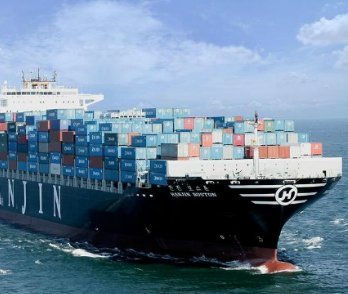
A growing share of our Pacific Island customers are located in the Cook Islands, making this self‑governing territory an increasingly important part of our China–Cook Islands logistics network. AI Shipping China cooperates on a long-term basis with leading international carriers such as COSCO, OOCL, APL, EMC, Maersk (MSK), and HMM, as well as regional feeder and coastal operators. These strategic partnerships enable us to offer competitive, route‑optimised freight solutions and dependable capacity for shipments from China to the Cook Islands’ main seaport, airport, and logistics hubs.
With AI Shipping China as your logistics partner, moving cargo from China to the Cook Islands becomes more structured, transparent, and easier to manage from end to end. Once you entrust your goods to us, our experienced team oversees the entire process—from factory pickup and export documentation in China to transshipment at regional hubs, customs procedures, and final delivery across the Cook Islands where service is available. Our goal is to be your most dependable freight forwarder from China to the Cook Islands. Request a competitive, tailored quote today.
AI Shipping China provides reliable and cost-effective sea freight services from China to the Cook Islands’ principal ports, typically via regional transshipment hubs on key Asia–Pacific and trans‑Pacific trade routes. Through long-term cooperation with major carriers such as COSCO, OOCL, APL, EMC, Maersk (MSK), and HMM, together with feeder services into Avatiu Harbour (Rarotonga) and other designated Cook Islands ports, we secure attractive contract rates and stable container capacity. Whether you are shipping construction and building materials, industrial machinery, household goods, automotive parts, FMCG products, food-service and cold-chain equipment, marine and watersports gear, resort and hotel supplies, or textiles, our ocean freight solutions are designed to ensure smooth, well‑coordinated, and practical deliveries into the Cook Islands.

For urgent, high‑value, or time‑sensitive shipments, our air freight service offers fast and secure transportation from China to the Cook Islands via suitable regional air hubs. AI Shipping China designs optimised flight routings into Rarotonga International Airport (RAR) through major regional gateways, ensuring dependable transit times and professional cargo handling along the route. From pickup at your supplier’s facility and export customs clearance in China to import procedures at the chosen hub and final‑mile delivery in Rarotonga and other accessible islands, we manage the complete air logistics process—ideal for medical supplies, pharmaceuticals, high‑tech components, critical spare parts for resorts, vessels and infrastructure, precision instruments, premium electronics, fashion and luxury items, samples, and other mission‑critical cargo.

Our door‑to‑door shipping service delivers a comprehensive end‑to‑end logistics solution for businesses, organisations, and individuals moving cargo from China to the Cook Islands. AI Shipping China coordinates every stage of the shipment, including factory or warehouse pickup in China, export documentation, sea or air transportation via appropriate regional hubs, customs clearance in the Cook Islands, and final delivery to your specified address—whether it is a bonded warehouse, government or NGO facility, project site, resort or hotel, retail store, marina or yacht agent, or private residence where access is available. With full shipment visibility, proactive communication, and close cooperation with vetted local partners and trucking/launch operators across the islands, we ensure a smooth, hassle‑free shipping experience from origin in China all the way to your door in the Cook Islands.

AI Shipping China offers full‑container‑load (FCL) shipping backed by competitive carrier contracts and dependable container availability on China–Cook Islands routes using hub‑and‑feeder solutions. Our team arranges container booking, supervises loading at your selected facility in China, manages export customs formalities, and organises the main sea leg to your nominated regional transshipment port, followed by feeder services into Avatiu Harbour or other designated Cook Islands ports and local delivery where required. FCL shipping is ideal for large‑volume cargo such as construction and infrastructure materials, industrial and project machinery, complete resort or project fit‑outs, household relocations, marine and boating equipment, retail inventory, and bulk textiles that require secure, dedicated, and consistent transportation into the Cook Islands.
For shipments that do not fill an entire container, our less‑than‑container‑load (LCL) service provides a flexible and economical option from China to the Cook Islands. We consolidate multiple consignments at major Chinese ports, arrange ocean transport to selected regional hubs and onward feeders to Rarotonga and other accessible ports, and then coordinate customs clearance and local delivery to your consignee where service is available. LCL is particularly suitable for small and medium‑sized enterprises, mixed‑SKU consignments, aftermarket spare parts, e‑commerce parcels, resort and store replenishment orders, samples, and seasonal or project‑based goods, helping you control logistics costs while still benefiting from professional international freight services into the Cook Islands.
AI Shipping China will provide most fuel efficient pickup service China
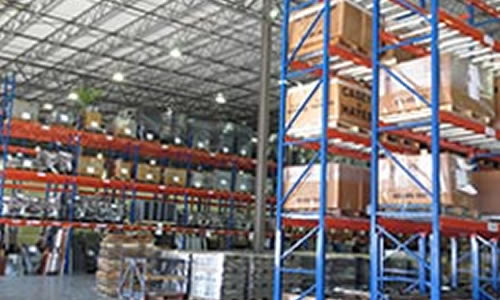
We provide free warehousing services for any of your goods.
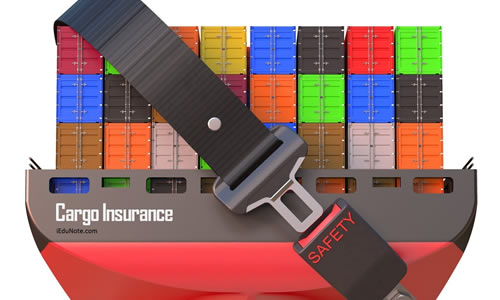
The cargo insurance protects your goods all the way to any Any FBA Warehouse

We handle all paperwork and other details for you.
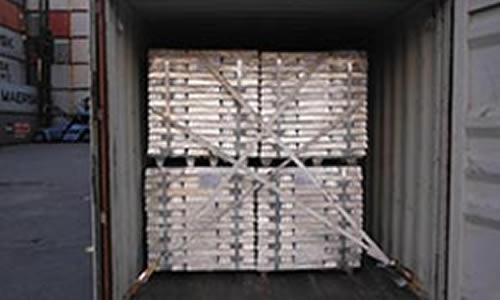
Ensure safe packaging and loading of goods in your suppliers' factory.

Transit durations from China to the Cook Islands are shaped by several variables, including the mode of transport chosen (air or ocean), origin and destination ports, carrier timetables, and the efficiency of customs clearance. Air freight provides a quicker solution, generally completing delivery within 7–14 days. Sea freight, while significantly slower at around 30–45 days, is a more cost-efficient option for bulky or high-volume cargo. External factors such as seasonal weather conditions and logistical constraints may also influence overall shipping timelines.
To follow a shipment moving from China to the Cook Islands, rely on the tracking tools supplied by your freight forwarder or transport carrier. Most logistics providers offer online platforms that allow you to check shipment progress in real time by entering the assigned tracking number. Choosing a forwarder that provides clear, frequent status updates helps you stay aware of the cargo’s location and quickly identify any delays or issues during transit.
Shipping costs from China to the Cook Islands depend on factors such as shipment size, weight, and mode of transport. Air freight is generally more expensive but faster, while sea freight offers a more economical option for larger shipments but takes longer. Additional costs may include customs duties, insurance, and handling fees. To get an accurate quote, contact freight forwarders or carriers for detailed pricing based on your specific requirements.
Shipping to the Cook Islands requires compliance with both international and local customs regulations. This includes accurate documentation such as commercial invoices, packing lists, and any necessary permits or certificates. Ensure that all paperwork is complete and correct to avoid delays or penalties. It’s advisable to work with a freight forwarder familiar with Cook Islands' customs regulations to streamline the process.
If your shipment from China to the Cook Islands is delayed, first check the tracking information provided by your freight forwarder or carrier. Contact them for an update and inquire about the cause of the delay. Ensure that all necessary documentation is in order and follow up regularly to monitor progress. Understanding the reasons for the delay can help you manage expectations and take appropriate actions.
Yes, there are specific packaging requirements for shipping to the Cook Islands. Packages must be securely packed to withstand transit conditions, with adequate cushioning for fragile items. Use durable containers and ensure that all packaging complies with international shipping standards. Proper labeling and documentation are also essential to facilitate customs clearance and prevent damage or loss.
Handling returns or exchanges for shipments to the Cook Islands involves coordinating with your freight forwarder or carrier. Establish a clear return policy with your supplier or seller and ensure that the necessary return documentation is prepared. Shipping costs for returns may apply, and customs duties could be involved. Communicate with all parties involved to facilitate a smooth return or exchange process.
For shipping high-value items from China to the Cook Islands, ensure you have adequate insurance coverage to protect against loss, theft, or damage. Use secure packaging and opt for reliable carriers with a track record in handling valuable shipments. Track your shipment closely and consider additional security measures such as sealed containers. Working with experienced freight forwarders can help manage and safeguard high-value cargo effectively.
To speed up shipments from China to the Cook Islands, opt for air freight instead of sea freight for faster transit, though at a higher cost. Make sure all paperwork is complete and accurate to prevent delays. Partner with a reliable freight forwarder who provides expedited services and can efficiently handle potential bottlenecks. Clearly communicate the urgency of your shipment and inquire about any additional services that could accelerate delivery.
Code Quality is structured, readable, and maintainable. Logic is clear, and conventions are consistent. Documentation supports understanding, though more testing and modularization could boost robustness.

Features are comprehensive and consistently accessible, meeting most user needs. Core functions work reliably, and the layout makes them easy to find. Some advanced features could be more visible for better usability.
Design Quality is clean, intuitive, and visually appealing. Navigation is straightforward, and elements are well organized. Minor refinements could enhance the overall polish and user experience.