
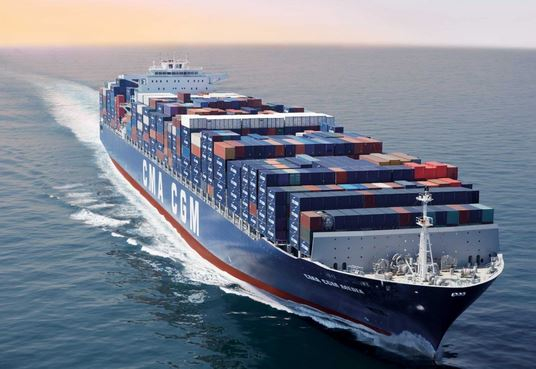
A consistently growing share of our European customers are located in Denmark, making it a key market within our China–Denmark logistics network. AI Shipping China maintains long-term contract rates with leading international carriers such as COSCO, OOCL, APL, EMC, Maersk (MSK), and HMM. These strategic partnerships enable us to secure highly competitive freight rates and dependable capacity for shipments from China to Denmark’s major seaports, airports, and inland logistics hubs.
With AI Shipping China as your logistics provider, moving cargo from China to Denmark becomes straightforward, efficient, and worry-free. Once you entrust your goods to us, our experienced team manages the entire journey—from factory pickup and export documentation in China to customs clearance and final delivery throughout Denmark. Our aim is to be your most reliable freight forwarder from China to Denmark. Request a competitive quote today.
AI Shipping China provides reliable and cost-effective sea freight services from China to Denmark’s principal ports and inland distribution centers. Through long-term cooperation with major carriers such as COSCO, OOCL, APL, EMC, Maersk (MSK), and HMM, we secure attractive contract rates and stable container capacity on key Asia–Europe trade lanes via the Suez Canal and northern European hub ports. Whether you are shipping electronics, industrial machinery, household goods, automotive parts, building materials, FMCG products, chemicals, or textiles, our ocean freight solutions are designed to ensure smooth coordination, predictable transit times, and well-managed deliveries into major Danish gateways such as Copenhagen/Malmö, Aarhus, and other regional ports.
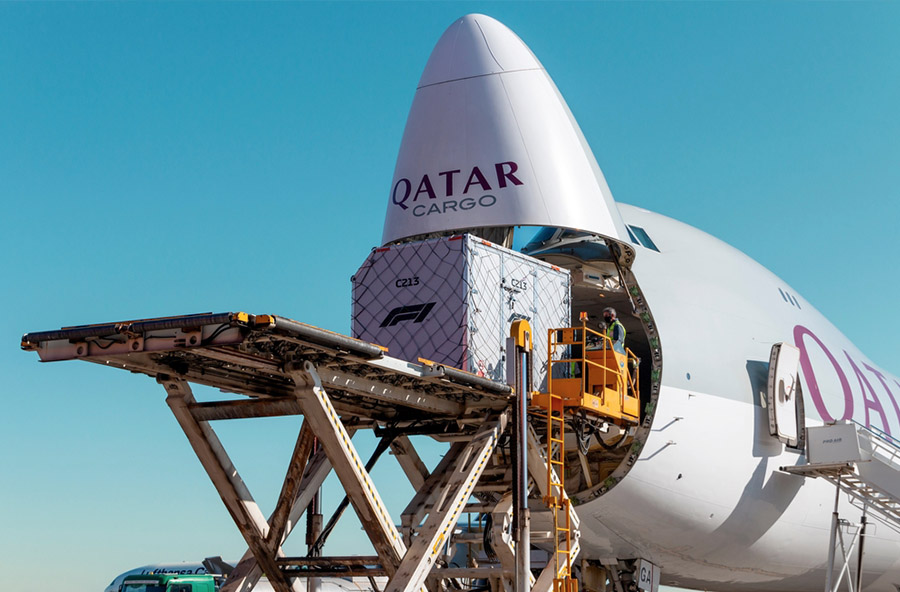
For urgent, high-value, or time-sensitive cargo, our air freight service offers fast and secure transportation from China to Denmark. AI Shipping China designs optimized flight routings to key Danish and nearby Scandinavian airports, helping you achieve dependable transit times and professional handling from origin to destination. From pickup at your supplier’s facility and export customs clearance in China to import procedures and last-mile delivery across Denmark, we manage the complete air logistics process—ideal for medical supplies, pharmaceuticals, high-tech components, critical spare parts, precision instruments, premium electronics, samples, and other mission-critical shipments.
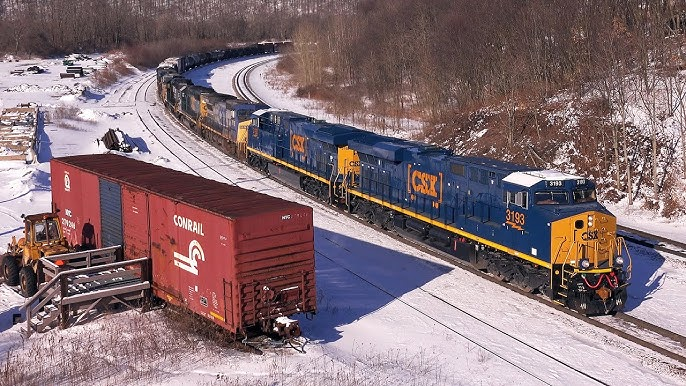
AI Shipping China delivers a cost-efficient and sustainable rail freight service from China to Denmark, routed through key European logistics gateways such as Hamburg, Warsaw, and Malmö. This transport mode offers a smart middle ground between price and transit time, typically reaching Denmark within 12–18 days—significantly quicker than sea freight while remaining far more economical than air shipping. Our rail solution is well suited for electronics, automotive components, consumer goods, household products, and palletized cargo. Upon arrival at major EU rail terminals, shipments are seamlessly transferred to trucks for final distribution across Denmark. From export documentation and customs formalities to inland delivery, we oversee every step of the journey, providing full visibility, consistent coordination, and reliable control from origin to destination.

AI Shipping China offers full-container-load (FCL) shipping supported by competitive carrier contracts and dependable container availability on China–Denmark routes. Our team handles container booking, supervises loading at the origin facility, manages export customs formalities in China, and arranges the ocean leg to your nominated Danish ports, followed by inland trucking or rail distribution where required. FCL shipping is ideal for large-volume cargo such as construction materials, industrial and project machinery, complete production lines, household goods, automotive and wind-energy components, retail inventory, and bulk textiles that require secure, dedicated, and consistent transportation capacity into Denmark.
For shipments that do not fill an entire container, our less-than-container-load (LCL) service provides a flexible and economical option from China to Denmark. We consolidate multiple consignments at major Chinese ports, arrange ocean transport to primary Danish and northern European gateways, and then coordinate customs clearance, deconsolidation, and inland delivery to your consignee. LCL is particularly suitable for small and medium-sized enterprises, mixed-SKU consignments, aftermarket spare parts, e-commerce orders, samples, and seasonal goods, helping you keep logistics costs under control while still benefiting from professional international freight services across Denmark.
AI Shipping China will provide most fuel efficient pickup service China
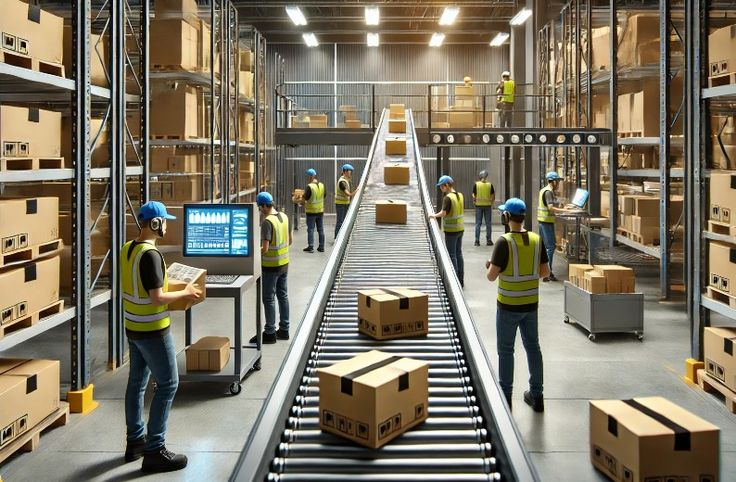
We provide free warehousing services for any of your goods.
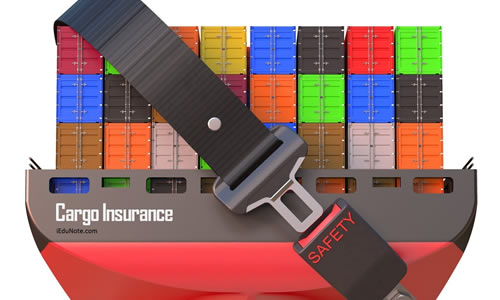
The cargo insurance protects your goods all the way to any Any FBA Warehouse

We handle all paperwork and other details for you.

Ensure safe packaging and loading of goods in your suppliers' factory.
Managing cargo damage during shipments from China to Denmark requires a clear, well-organized process to ensure problems are handled promptly and effectively. The following steps outline a thorough and practical approach:
By applying these measures, businesses can address cargo damage efficiently during China–Denmark shipments, streamline the claims process, and minimize operational disruption.
Organizing expedited freight from China to Denmark demands thorough preparation and close coordination to guarantee fast and reliable delivery. Below is a detailed framework to help streamline the process:
Choose a Reliable Freight Forwarder
Select a logistics partner with proven expertise in expedited China–Denmark shipments. A forwarder with strong carrier relationships and experience in time-critical logistics is essential.
Clarify Time-Sensitive Requirements
Clearly outline your delivery deadlines and shipment requirements from the outset. Highlight the urgency and confirm that the forwarder can realistically meet your expected timeline.
Select the Most Suitable Transport Solution
Match the shipping method to your urgency and budget:
Prepare Accurate Documentation
Assemble all required shipping paperwork in advance, including the commercial invoice, packing list, air waybill or bill of lading, and customs declarations. Complete and accurate documents are critical to avoiding clearance delays.
Manage Customs Clearance Efficiently
Work closely with your forwarder to comply with Danish customs regulations. Provide detailed and correct cargo information to ensure smooth and timely customs processing.
Ensure Proper Packaging and Labeling
Use secure, compliant packaging to protect goods during transit. Clear labeling helps with identification and handling, reducing the risk of damage or misrouting.
Monitor Shipment Progress
Take advantage of real-time tracking tools provided by carriers or freight forwarders. Continuous monitoring allows you to anticipate potential issues and keep all stakeholders informed.
Arrange Cargo Insurance
Consider cargo insurance to protect against loss, damage, or theft. Review available coverage options with your forwarder or insurance provider to ensure adequate protection.
Coordinate Pickup and Final Delivery
Confirm pickup arrangements in China and final delivery in Denmark. Maintain consistent communication with all parties involved to ensure seamless handover at each stage.
Ensure Responsive Customer Support
Work with a freight forwarder that offers proactive and accessible customer service, ready to address questions or resolve issues throughout the shipment’s journey.
By following these steps and working with an experienced provider such as AI Shipping China, you can successfully organize expedited freight services from China to Denmark with speed, reliability, and confidence.
Freight services from China to Denmark commonly include cargo sorting and packaging as part of a comprehensive logistics offering. Below is an overview of how these services are typically handled:
Cargo Sorting:
Logistics providers such as AI Shipping China organize cargo according to destination, product category, shipment priority, or other operational requirements. This systematic sorting improves loading efficiency, simplifies downstream handling, and supports smoother onward transportation.
Packaging Services:
Professional freight services provide a range of packaging options designed to safeguard goods throughout international transit, including:
Tailored Handling Solutions:
Specialized arrangements are available for unique cargo requirements, such as fragile products, temperature-controlled shipments, oversized items, or high-value goods.
Value-Added Logistics Services:
Many providers also offer supplementary services such as pre-shipment inspections, inventory organization, barcode labeling, and basic quality checks to improve shipment accuracy and reliability.
Documentation Support and Compliance:
Freight forwarders assist with preparing and verifying shipping documents—including commercial invoices, packing lists, and customs declarations—to ensure full compliance with Chinese export rules and Danish/EU import regulations.
Professional Facilities and Equipment:
Modern warehouses, sorting systems, and handling equipment are used to manage cargo efficiently and prepare it securely for international transport.
When choosing a freight provider for shipments from China to Denmark, it’s important to confirm their cargo sorting and packaging capabilities. An integrated approach like this helps optimize logistics workflows while ensuring your goods arrive safely, on time, and in good condition.
Dealing with tax issues on goods imported from China to Denmark requires understanding the relevant taxes and duties, complying with Danish customs regulations, and ensuring proper documentation. Here’s a step-by-step guide to handle tax issues effectively:
Understand Import Duties and Taxes: Familiarize yourself with the types of taxes and duties applicable to imports into Denmark. These may include:
Calculate Estimated Costs: Determine the estimated import duties and taxes applicable to your goods using resources such as Denmark’s customs tariff database or consulting with customs authorities.
Verify Preferential Trade Agreements: Check if your goods qualify for any preferential trade agreements or exemptions from duties under bilateral or multilateral trade agreements between China and Denmark.
Work with a Freight Forwarder: Engage a reputable freight forwarder or customs broker experienced in handling imports to Denmark. They can provide guidance on customs procedures, tariff classifications, and assist with customs clearance.
Prepare Documentation: Ensure all required import documents are accurate and complete:
Submit Declarations: Submit the necessary declarations and documentation to Danish customs authorities electronically or through your freight forwarder. Ensure compliance with all customs formalities and regulations.
Pay Duties and Taxes: Pay the applicable customs duties and VAT upon importation. This can typically be done electronically through the customs authority or your freight forwarder.
Monitor Changes in Regulations: Stay informed about any changes in Danish customs regulations, trade agreements, or tariff rates that may affect your imports.
Seek Professional Advice: Consult with customs experts, tax advisors, or legal professionals for specific advice on complex tax issues or regulatory requirements.
Maintain Records: Keep records of all import-related documents, including customs declarations, invoices, and proof of duty/tax payments. These may be required for audits or future reference.
By following these steps and ensuring compliance with Danish customs regulations, you can effectively manage tax issues on goods imported from China to Denmark, minimizing risks and ensuring smooth customs clearance for your shipments.
Ensuring timely shipping services from China to Denmark requires meticulous planning, effective communication, and collaboration with dependable logistics partners. Here are essential steps to guarantee punctual delivery:
Select a Trustworthy Freight Forwarder: Opt for a renowned freight forwarder, like AI Shipping China, known for consistent on-time deliveries between China and Denmark. Assess their reliability, transit durations, and customer feedback.
Understand Transit Durations: Identify the estimated transit times for various shipping methods (air freight, sea freight, etc.) provided by the freight forwarder. Choose the option that best matches your scheduling needs.
Plan in Advance: Arrange shipping well ahead of time to manage potential delays or unforeseen issues. Early planning ensures smoother logistics and minimizes the risk of shipment bottlenecks.
Maintain Clear Communication: Engage in transparent and regular communication with your freight forwarder. Share precise details about the shipment, deadlines, and any special requirements.
Opt for Expedited Services: If speed is crucial, select expedited shipping options such as express air freight or courier services, which offer shorter transit times and priority handling.
Track Your Shipments: Utilize tracking and monitoring systems offered by the freight forwarder or carrier. Real-time tracking helps you monitor shipment progress and anticipate any delays.
Prepare Customs Documentation: Ensure all customs paperwork and requirements are completed accurately and in advance. Customs delays can significantly impact delivery schedules.
Proactively Address Potential Issues: Foresee possible challenges like weather disruptions, port congestion, or strikes. Collaborate with your freight forwarder to create contingency plans to mitigate these risks.
Review Service Level Agreements: Examine the service level agreements (SLAs) provided by your freight forwarder. Understand their commitments to delivery timelines and any guarantees.
Monitor Performance and Provide Feedback: Offer feedback based on the timeliness and reliability of their services. Continuously monitor their performance to identify recurring issues and address them promptly.
By implementing these strategies and maintaining proactive shipment management, you can enhance the chances of timely deliveries from China to Denmark, ensuring your goods arrive on schedule and meet your business requirements.
Use carrier-provided tracking numbers (e.g., DHL, FedEx) or platforms like 17Track.net for real-time updates. Forwarders like AI Shipping China also offer integrated tracking portals.
Choosing the right freight route from China to Denmark involves considering several factors to ensure efficient and cost-effective transportation of your goods. Here are steps to help you select a suitable freight route:
Evaluate Transportation Modes: Determine whether air freight, sea freight, or a combination (multimodal transport) best suits your needs:
Consider Transit Times: Assess your shipment’s urgency and desired delivery timeline. Compare estimated transit times for different transportation modes and routes to ensure they align with your schedule.
Cost Analysis: Evaluate overall transportation costs, including freight charges, handling fees, insurance, and customs duties. Balance cost considerations with service level requirements to optimize your logistics budget.
Distance and Geography: Factor in geographical proximity, transportation infrastructure, and potential logistical challenges (e.g., weather conditions, port congestion) along different routes.
Service Reliability: Research the reliability and performance history of freight carriers, shipping lines, and logistics providers operating on your chosen route. Look for testimonials, customer reviews, and on-time delivery records.
Customs and Regulatory Considerations: Understand customs regulations, import/export requirements, and any trade agreements affecting your shipment. Choose routes and carriers familiar with these regulations to avoid delays or compliance issues.
Infrastructure and Handling Facilities: Ensure the chosen route has suitable infrastructure and handling facilities for your cargo type (e.g., temperature-controlled storage for perishables, specialized equipment for oversized items).
Environmental Impact: Consider environmental factors such as carbon emissions and sustainability practices associated with different transportation modes. Choose routes that align with your company’s environmental policies and goals.
Flexibility and Scalability: Select a freight route that offers flexibility to accommodate changes in shipment volume, frequency, or destination. Ensure scalability to support future growth and evolving business needs.
Consultation with Logistics Experts: If unsure, consult with experienced logistics professionals or freight forwarders. They can provide insights, recommend optimal routes, and assist in navigating complex logistics challenges.
By carefully evaluating these factors and prioritizing your specific requirements, you can choose a freight route from China to Denmark that optimally meets your transportation needs, ensuring efficient, reliable, and cost-effective delivery of your goods.
Yes, shipment consolidation is a practical and cost-efficient option for many shippers. Freight forwarders typically provide consolidation services that combine multiple smaller consignments into a single, larger shipment.
By sharing container or cargo space, shippers can significantly lower per-unit transportation costs and make better use of available capacity. Consolidation also helps simplify logistics by reducing the number of individual shipments that need to be managed.
That said, consolidated shipping does require careful coordination. Timelines may need to be aligned across different suppliers, and there can be slight increases in handling time at consolidation warehouses. Working with an experienced freight forwarder ensures smooth coordination, proper documentation, and efficient cargo management, allowing you to maximize savings while maintaining reliable delivery schedules.
Freight charges are influenced by a variety of factors, such as the chosen transport method (air or sea), the shipment’s weight and volume, and the level of service (standard or expedited). Additional expenses may include customs duties, insurance, and handling fees. To ensure you get the best value, it’s advisable to request quotes from multiple freight forwarders and compare both pricing and service options.
Features are comprehensive and consistently accessible, meeting most user needs. Core functions work reliably, and the layout makes them easy to find. Some advanced features could be more visible for better usability.

Customer Support is responsive, professional, and helpful. The team resolves issues efficiently with clear communication. Availability is good, though response times during busy periods could improve.

Code Quality is structured, readable, and maintainable. Logic is clear, and conventions are consistent. Documentation supports understanding, though more testing and modularization could boost robustness.