

A steadily increasing number of our overseas clients are located in Ecuador, making it a key market within our China–Ecuador logistics network. AI Shipping China maintains long-term contract rates with leading international carriers such as COSCO, OOCL, APL, EMC, Maersk (MSK), and HMM. These strategic partnerships enable us to secure highly competitive freight rates and dependable capacity for shipments from China to Ecuador’s main seaports and inland logistics hubs.
Partnering with AI Shipping China makes moving cargo from China to Ecuador clear, efficient, and worry-free. Once your goods are in our care, our experienced operations team manages the entire process—from factory pickup and export documentation in China to customs clearance and final delivery across Ecuador. Our goal is to be your most dependable freight forwarder from China to Ecuador. Request a competitive quote today.
AI Shipping China provides reliable and cost-effective sea freight services from China to Ecuador’s principal ports and inland distribution centers. Through long-term cooperation with major carriers such as COSCO, OOCL, APL, EMC, Maersk (MSK), and HMM, we secure attractive contract rates and stable container capacity on key Asia–West Coast South America trade lanes. Whether you are shipping electronics, industrial machinery, household goods, automotive parts, building materials, FMCG products, chemicals, or textiles, our ocean freight solutions are designed to ensure smooth coordination, predictable transit times, and well-managed deliveries to major Ecuadorian gateways such as Guayaquil, Manta, and other regional ports.
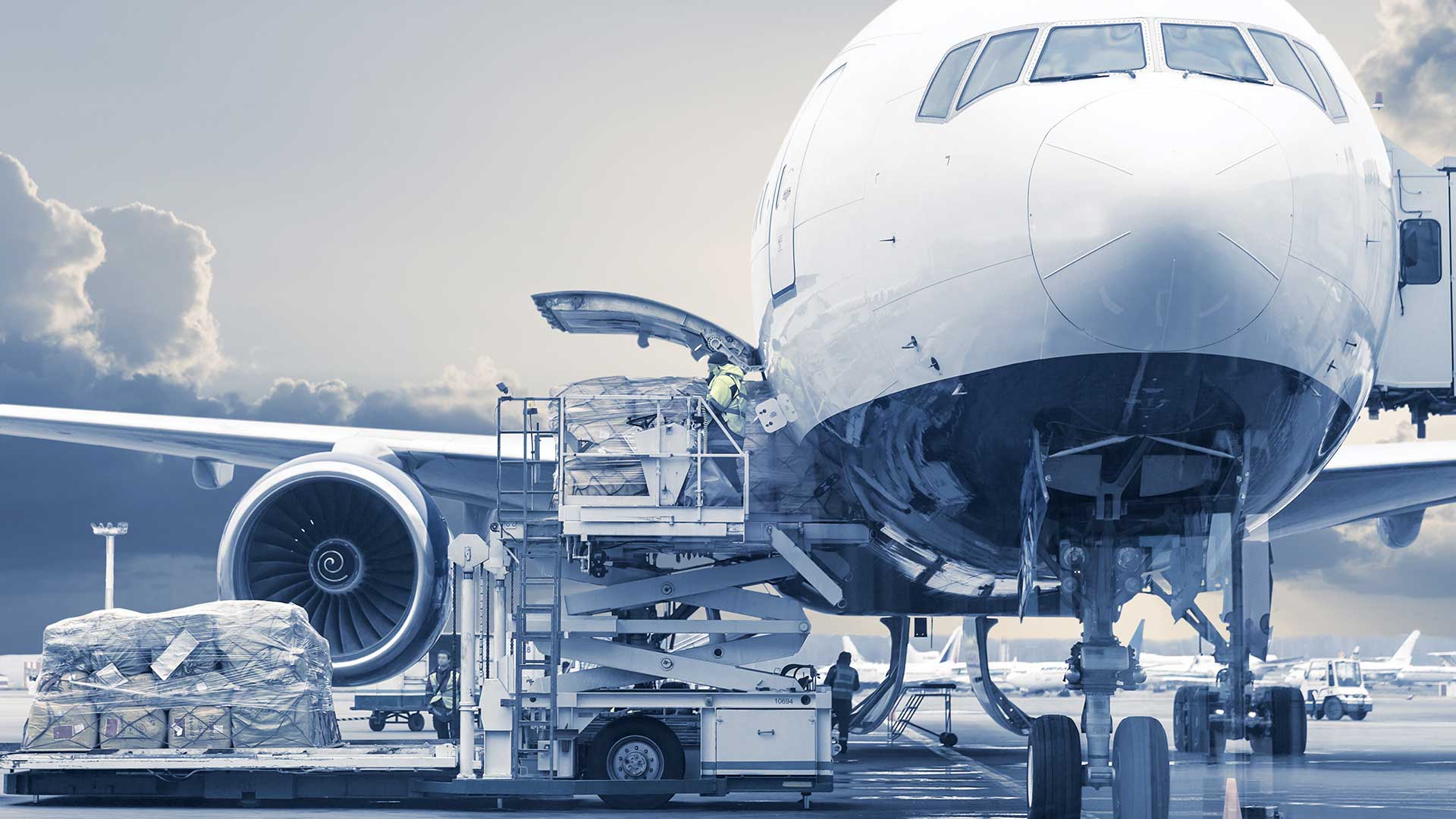
For urgent, high-value, or time-sensitive cargo, our air freight service offers fast and secure transportation from China to Ecuador. AI Shipping China designs optimized flight routings to major Ecuadorian airports and regional air cargo hubs, helping you achieve dependable transit times and professional handling from origin to destination. From pickup at your supplier’s facility and export customs clearance in China to import procedures and last-mile delivery across Ecuador, we manage the complete air logistics process—ideal for medical supplies, pharmaceuticals, high-tech components, critical spare parts, precision instruments, premium electronics, samples, and other mission-critical shipments.

Our door-to-door shipping service delivers a comprehensive end-to-end logistics solution for businesses and individuals moving cargo from China to Ecuador. AI Shipping China coordinates every stage of the shipment, including pickup from factories or warehouses in China, export documentation, sea or air transportation, customs clearance in Ecuador, and final delivery to the address you specify. With full shipment visibility, proactive communication, and strong cooperation with local partners and trucking fleets throughout Ecuador, we ensure a seamless, hassle-free shipping experience from origin in China all the way to your door in Ecuador.
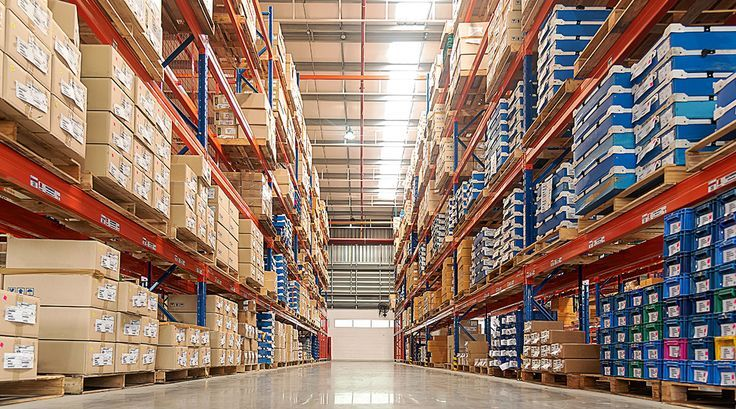
AI Shipping China offers full-container-load (FCL) shipping supported by competitive carrier contracts and dependable container availability on China–Ecuador routes. Our team handles container booking, supervises loading at the origin facility, manages export customs formalities in China, and arranges the ocean leg to your nominated Ecuadorian ports, followed by inland trucking distribution where required. FCL shipping is ideal for large-volume cargo such as construction materials, industrial and project machinery, complete production lines, household goods, automotive and agricultural equipment components, retail inventory, and bulk textiles that require secure, dedicated, and consistent transportation capacity into Ecuador.
For shipments that do not fill an entire container, our less-than-container-load (LCL) service provides a flexible and economical option from China to Ecuador. We consolidate multiple consignments at major Chinese ports, arrange ocean transport to key Ecuadorian gateways, and then coordinate customs clearance, deconsolidation, and inland delivery to your consignee. LCL is particularly suitable for small and medium-sized enterprises, mixed-SKU consignments, aftermarket spare parts, e-commerce orders, samples, and seasonal goods, helping you keep logistics costs under control while still benefiting from professional international freight services across Ecuador.
AI Shipping China will provide most fuel efficient pickup service China
We provide free warehousing services for any of your goods.

The cargo insurance protects your goods all the way to any Any FBA Warehouse

We handle all paperwork and other details for you.

Ensure safe packaging and loading of goods in your suppliers' factory.

Transporting cargo from China to Ecuador involves several logistical variables, which means delivery times can differ significantly from one shipment to another. Elements such as the chosen transportation mode, overall distance, exact origin and destination ports, and potential operational disruptions all influence the final schedule. Below is a general breakdown of expected transit times by shipping method:
Air Freight:
Air shipping is the quickest way to move goods between China and Ecuador. Cargo departing from major Chinese cities like Beijing, Shanghai, or Guangzhou and arriving at airports in Quito or Guayaquil typically reaches its destination within roughly 3 to 7 days. Actual timing may fluctuate depending on flight schedules, routing, and the efficiency of customs clearance.
Sea Freight:
For larger or heavier consignments, sea freight offers a more budget-friendly option, though it involves longer transit durations. Shipments sailing from ports such as Shanghai, Ningbo, or Qingdao to Ecuadorian ports like Guayaquil or Manta generally take about 20 to 40 days. Factors including weather conditions, port congestion, and customs processing can extend or shorten this timeframe.
Multimodal Transport:
Multimodal solutions integrate two or more transport modes—such as ocean, air, rail, or road—to achieve a balance between transit speed and cost. This flexible approach allows routes and timelines to be tailored according to shipment priorities and budget constraints.
To obtain precise transit forecasts and ensure smooth logistics coordination, it is advisable to partner with an experienced freight forwarder. They can assess your cargo requirements, recommend the most suitable transport solution, and provide customized timelines to support efficient shipping from China to Ecuador.
When arranging shipments from China to Ecuador, the total cost is shaped by several key elements. Below is a concise explanation of how pricing is typically calculated:
Transportation Method:
The chosen shipping method—whether air freight, sea freight, or a combined solution—has a major impact on cost. Air freight commands higher rates due to its speed, while sea freight is generally more economical but involves longer transit periods.
Shipment Weight and Volume:
Freight charges are usually calculated based on the higher of actual weight or volumetric weight. As a result, heavier or more voluminous cargo incurs higher costs because of increased space usage and handling requirements.
Route and Distance:
The specific routing and overall distance between China and Ecuador influence pricing. Longer or more complex routes may raise costs due to higher fuel consumption, transshipment fees, or operational surcharges.
Value-Added Services:
Optional services such as door-to-door transport, cargo insurance, customs brokerage, and storage contribute to the final shipping cost. These services are customized according to shipment needs and service expectations.
Seasonal and Market Factors:
Shipping rates can fluctuate based on fuel price changes, currency movements, and supply-demand dynamics. Peak seasons or market volatility may lead to temporary rate increases.
Duties and Taxes:
Import duties, VAT, and other customs-related charges levied by Ecuadorian authorities must be factored into the total landed cost. These depend on the declared value of the goods and applicable tariff classifications.
To obtain an accurate cost estimate, it is recommended to request detailed quotations from multiple freight forwarders or carriers. Comparing both pricing and included services will help you identify the most cost-effective and suitable shipping solution for your needs.
Shipping from China to Ecuador requires careful planning to ensure your goods arrive safely and on time. Follow this structured approach to simplify the process:
By following these steps and collaborating with an experienced logistics provider, you can achieve efficient, reliable shipping from China to Ecuador with minimal complications.
To arrange air freight from China to Ecuador efficiently, follow these essential steps:
Select a Trusted Air Freight Provider: Begin by identifying a reputable air freight provider with proven experience in international shipments. Opt for a company that has a robust network of airline partners, expertise in air cargo logistics, and a reliable service record.
Specify Cargo Details: Provide comprehensive information about your cargo, including dimensions, weight, volume, and any special handling needs like temperature control or hazardous material considerations. This will assist your air freight provider in choosing the appropriate aircraft and handling procedures.
Choose the Right Service Option: Depending on your shipment's urgency, budget, and requirements, select an appropriate air freight service. Options typically include express, standard, or deferred shipping, each varying in transit time and cost.
Request and Compare Quotes: Solicit quotes from various air freight providers to evaluate rates and services. Take into account factors such as transit time, routes, insurance, and any additional services offered.
Book Your Shipment: After selecting a provider and finalizing shipment details, secure space on a flight from a Chinese airport to an Ecuadorian airport. Booking in advance helps avoid delays and ensures you get the desired flight.
Prepare Necessary Documents: Compile all essential shipping documents, including the commercial invoice, packing list, air waybill (AWB), and certificate of origin. Ensure these documents comply with customs regulations in both China and Ecuador.
Coordinate Cargo Handling: Work with your provider to arrange for cargo pickup, handling, and transportation from the supplier's location to the departure airport. Ensure your goods are well-packaged and labeled according to airline and international standards.
Track Your Shipment: Monitor the progress of your shipment through online tracking or updates from your provider. Regular communication helps manage any potential issues and ensures a smooth delivery process.
By meticulously following these steps, you can streamline the process of arranging air freight from China to Ecuador, ensuring timely and secure delivery.
To successfully arrange sea shipping from China to Ecuador, consider the following strategic steps for a smooth and cost-effective process:
Select a Trusted Forwarder or Shipping Line: Begin by choosing a reliable forwarder or shipping line with a solid reputation for handling international sea freight. Opt for a company known for its strong network, proven track record, and expertise in managing shipments between China and Ecuador.
Specify Cargo Details: Provide comprehensive information about your cargo, including its dimensions, weight, volume, and any special handling needs. This will enable the forwarder or shipping line to select the right container size, packing methods, and handling procedures tailored to your shipment.
Choose the Optimal Shipping Route and Service: Decide on the best shipping route and service by evaluating factors such as transit time, cost, and reliability. You might select direct routes from major Chinese ports like Shanghai or Ningbo to Ecuadorian ports such as Guayaquil or Manta, or opt for transshipment services through intermediary ports.
Compare Freight Quotes: Obtain quotes from various forwarders or shipping lines and compare their rates and services. Evaluate aspects such as shipping duration, transit routes, container types, and any additional services provided.
Book Your Shipment: After selecting a forwarder or shipping line and finalizing your shipment details, book space on a suitable vessel. Secure your booking well in advance to ensure availability and avoid potential delays.
Prepare Necessary Documentation: Compile all required shipping documents, including the bill of lading, commercial invoice, packing list, certificate of origin, and other relevant paperwork. Ensure accuracy and compliance with customs regulations in both China and Ecuador.
Coordinate Cargo Handling: Work with your chosen forwarder or shipping line to manage cargo handling, pickup, and transportation from your supplier's location to the departure port. Ensure proper packing, labeling, and preparation of your goods in accordance with maritime regulations and international standards.
Track Your Shipment: Monitor the progress of your shipment through online tracking or updates from your forwarder. Maintain regular communication to address any issues or delays and ensure the smooth transit of your goods from China to Ecuador.
By adhering to these guidelines and collaborating closely with your forwarder or shipping line, you can facilitate a successful sea shipping process, ensuring the timely and secure delivery of your goods.
Air shipping from China to Ecuador is the best option in several scenarios where quick delivery is crucial. Consider air shipping in these cases:
Urgent Shipments: When you need to deliver time-sensitive items like perishable goods or critical production components swiftly, air shipping provides the fastest transit times compared to sea freight.
High-Value Goods: For expensive or high-value items where security is a priority, air shipping offers superior protection and minimizes the risk of theft or damage compared to sea freight.
Small Shipments: Air freight is more economical for small or lightweight shipments that don’t require a full container. Utilizing air shipping for smaller volumes can lower overall costs and speed up delivery.
Just-in-Time Inventory: If you rely on a just-in-time inventory system and need to replenish stock quickly in Ecuador, air shipping ensures rapid delivery, reducing the need for excess inventory and saving on storage costs.
Emergency Situations: During emergencies, such as natural disasters or supply chain disruptions, air shipping is vital for quickly delivering essential goods and humanitarian aid to Ecuador.
Seasonal Demand: In peak seasons or holidays when there’s a surge in demand, air shipping can help meet increased customer needs and prevent stockouts or delivery delays.
Prototype or Sample Shipments: For prototype products or sample shipments that need prompt feedback or testing in Ecuador, air shipping facilitates rapid iterations and development.
While air shipping excels in speed and efficiency, it is usually more expensive than sea freight. Assessing the benefits of quicker transit times against the higher costs will help you decide if air shipping is the right choice for your needs. Evaluating your specific requirements will guide you in selecting the most effective transportation mode.
When importing goods from China to Ecuador, it's crucial to understand the various taxes and duties that will impact the total shipment cost. Here’s an overview of the key charges:
Value Added Tax (VAT): Ecuador applies VAT on imported goods, calculated based on the CIF (Cost, Insurance, and Freight) value plus any applicable duties. The standard VAT rate is 12%, though certain items might be eligible for reduced rates or exemptions.
Customs Duties: Duties are assessed based on the Ecuadorian Harmonized System (HS) tariff schedule. Rates vary by product type, ranging from 0% to 40% or more for specific goods. Accurate classification using the HS code is essential for determining the correct duty rate.
Excise Taxes: Some products, including alcoholic beverages, tobacco, and luxury items, are subject to additional excise taxes on top of customs duties and VAT.
Import Processing Fee: Ecuador charges an import processing fee based on the CIF value of the goods, with a maximum amount set by customs authorities.
Additional Fees: Other potential charges include customs brokerage fees, port handling fees, and any necessary inspection or certification fees.
To accurately calculate the taxes and duties for importing goods from China to Ecuador, consider the shipment's specifics, including product type, value, and intended use. Consulting with a customs broker or an import/export expert familiar with Ecuadorian regulations is advisable. Additionally, using online customs duty calculators or contacting Ecuadorian customs can help estimate import costs effectively.
Deciding between Less than Container Load (LCL) and Full Container Load (FCL) shipping hinges on several factors specific to your shipment. Here’s a clear guide to help you choose the right option:
LCL (Less than Container Load):
FCL (Full Container Load):
Choosing between LCL and FCL depends on your shipment’s size, urgency, budget, and handling requirements. Consulting with a reliable freight forwarder can help you determine the most appropriate method for your specific needs.
To track your shipment from China to Ecuador efficiently, follow these steps:
Following these steps ensures you stay well-informed and in control of your shipment from China to Ecuador, reducing surprises and ensuring a smooth delivery process.
When shipping goods from China to Ecuador, several essential documents are typically required to ensure smooth customs clearance and compliance:
Commercial Invoice:
This document provides a detailed description of the goods, including quantities, unit values, total value, and involved parties. It is a key document used by customs authorities for valuation and clearance.
Packing List:
The packing list outlines the contents of each package, detailing quantities, weights, and dimensions. It helps customs officials verify the shipment against the declared information.
Air Waybill (AWB):
For air shipments, the air waybill serves as a contract of carriage between the shipper and the airline. It includes flight details, shipper and consignee information, and a description of the cargo.
Certificate of Origin:
This document certifies where the goods were manufactured and may be required to qualify for preferential tariffs or to comply with Ecuador’s import regulations.
Bill of Lading (B/L):
For ocean freight, the bill of lading acts as a receipt for the goods and outlines key shipment details such as origin, destination, and shipping terms.
Insurance Certificate (if applicable):
If cargo insurance is arranged, an insurance certificate is required as proof of coverage against loss or damage during transit.
Export License (if applicable):
Certain products may require an export license or permit issued by Chinese authorities. It is important to confirm whether this applies to your shipment.
Customs Declaration Forms:
Both Chinese and Ecuadorian customs may require additional declaration forms depending on the nature of the goods and applicable regulations.
Additional Documentation:
Depending on the cargo type and Ecuadorian import requirements, supplementary documents—such as inspection certificates or health certificates—may be necessary.
To prevent delays or shipment rejections, it is recommended to work closely with your freight forwarder, shipping provider, or customs broker to ensure all documentation is complete, accurate, and compliant with both Chinese and Ecuadorian regulations.
Design Quality is clean, intuitive, and visually appealing. Navigation is straightforward, and elements are well organized. Minor refinements could enhance the overall polish and user experience.

Customer Support is responsive, professional, and helpful. The team resolves issues efficiently with clear communication. Availability is good, though response times during busy periods could improve.
Code Quality is structured, readable, and maintainable. Logic is clear, and conventions are consistent. Documentation supports understanding, though more testing and modularization could boost robustness.