
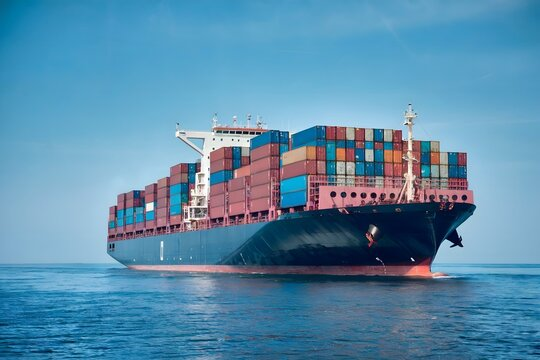
A steadily growing share of our Northern and Eastern European customers are located in Estonia and the wider Baltic region, making this market an important component of our China–Estonia logistics network. AI Shipping China maintains long-term contract agreements with leading global ocean carriers such as COSCO, OOCL, APL, EMC, Maersk (MSK), and HMM. Through these strategic partnerships, we secure reliable capacity and highly competitive freight rates for shipments from China to Estonia’s main ports and inland logistics hubs.
With AI Shipping China as your logistics partner, moving cargo from China to Estonia becomes straightforward, transparent, and low-risk. Once your goods are entrusted to us, our experienced operations team manages the entire process—from factory pickup and export documentation in China, through customs clearance and main-leg sea, rail, or air transport, to final delivery at your address in Estonia. Our goal is to be your most dependable, long-term freight forwarder from China to Estonia. Request a tailored, competitive quote today.
AI Shipping China provides reliable and cost-effective sea freight services from China to Estonia, using major Baltic and North European gateway ports—such as Tallinn, Riga, Klaipeda, and occasionally Gdansk or Helsinki—combined with feeder, rail, and trucking connections into Estonian logistics centres. Through long-term cooperation with carriers such as COSCO, OOCL, APL, EMC, Maersk (MSK), and HMM, we secure attractive contract rates and stable container capacity on the main Asia–Europe trade lanes that connect efficiently to Estonia. Whether you are shipping electronics, industrial machinery, household goods, automotive parts, building materials, FMCG products, chemicals, or textiles, our ocean freight solutions are designed to deliver smooth coordination, predictable transit times, and efficient distribution across Estonia and the wider Baltic market.
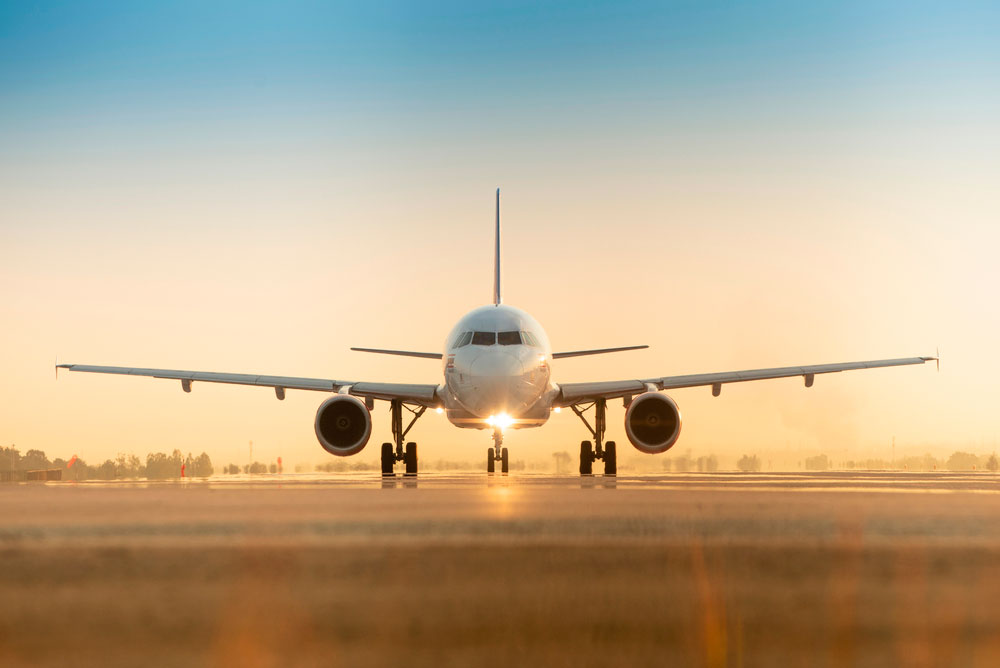
For urgent, high-value, or time-sensitive shipments destined for Estonia, our air freight service offers fast and secure transportation from major Chinese airports to Tallinn Airport and other strategic European air hubs serving Estonia. AI Shipping China designs optimised flight routings and schedules to ensure reliable transit times, professional cargo handling at each airport, and minimal delays during transit. From pickup at your supplier’s facility and export customs clearance in China, through to import handling and last-mile delivery throughout Estonia, we manage the complete air logistics chain. This service is ideal for medical supplies, pharmaceuticals, high-tech components, critical spare parts, precision instruments, premium electronics, samples, and any other mission-critical cargo headed for Estonia.

Our door-to-door shipping service delivers a comprehensive end-to-end logistics solution for companies and individuals moving cargo from China directly to Estonia. AI Shipping China coordinates every stage of the shipment, including factory or warehouse pickup in China, export documentation and customs declaration, international sea, rail, road, or air transportation, import customs clearance via Estonian or nearby EU gateways, and final delivery to your specified address—whether it is a commercial warehouse, distribution centre, retail store, industrial site, or private residence. With full shipment visibility, proactive communication, and close cooperation with trusted local partners and trucking fleets throughout Estonia, we ensure a seamless, hassle-free shipping experience from origin in China all the way to your door in Estonia.
AI Shipping China offers full-container-load (FCL) shipping from China to Estonia, backed by strong contracts with major carriers and dependable container availability on Asia–Europe services calling at Baltic and North European ports that connect efficiently to the country, such as Tallinn, Riga, Klaipeda, and Gdansk. Our team arranges container bookings, supervises loading at your selected facility in China, manages export customs formalities, and organises the main sea leg to your nominated gateway, followed by inland rail or trucking into Estonia as required. FCL shipping is ideal for large-volume cargo such as construction materials, industrial and project machinery, complete production lines, household relocations, automotive and engineering components, retail inventory, and bulk textiles that require secure, dedicated, and consistent transportation into Estonia.
For shipments that do not fill an entire container, our less-than-container-load (LCL) service offers a flexible and economical way to ship from China to Estonia. We consolidate multiple consignments at major Chinese ports, arrange ocean transport to principal Baltic and North European hubs, and then use feeder, rail, and trucking services to reach Estonian destinations such as Tallinn, Tartu, and Narva. Once your cargo arrives at the designated hub, we coordinate customs clearance and final delivery to your consignee in Estonia. LCL is particularly suitable for small and medium-sized enterprises, mixed-SKU consignments, aftermarket spare parts, e-commerce orders, samples, and seasonal goods. This solution helps you keep logistics costs under control while still benefiting from professional, end-to-end international freight services into Estonia.
AI Shipping China will provide most fuel efficient pickup service China
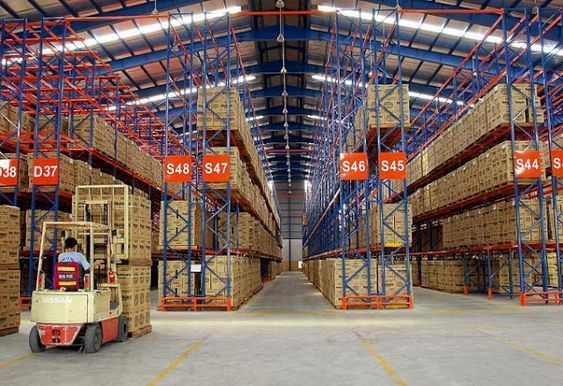
We provide free warehousing services for any of your goods.
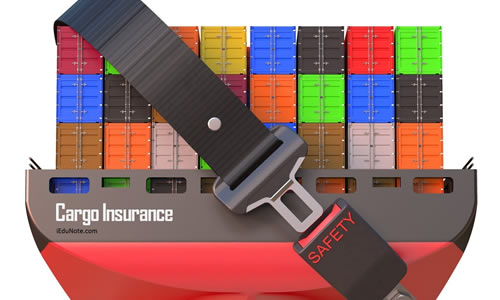
The cargo insurance protects your goods all the way to any Any FBA Warehouse
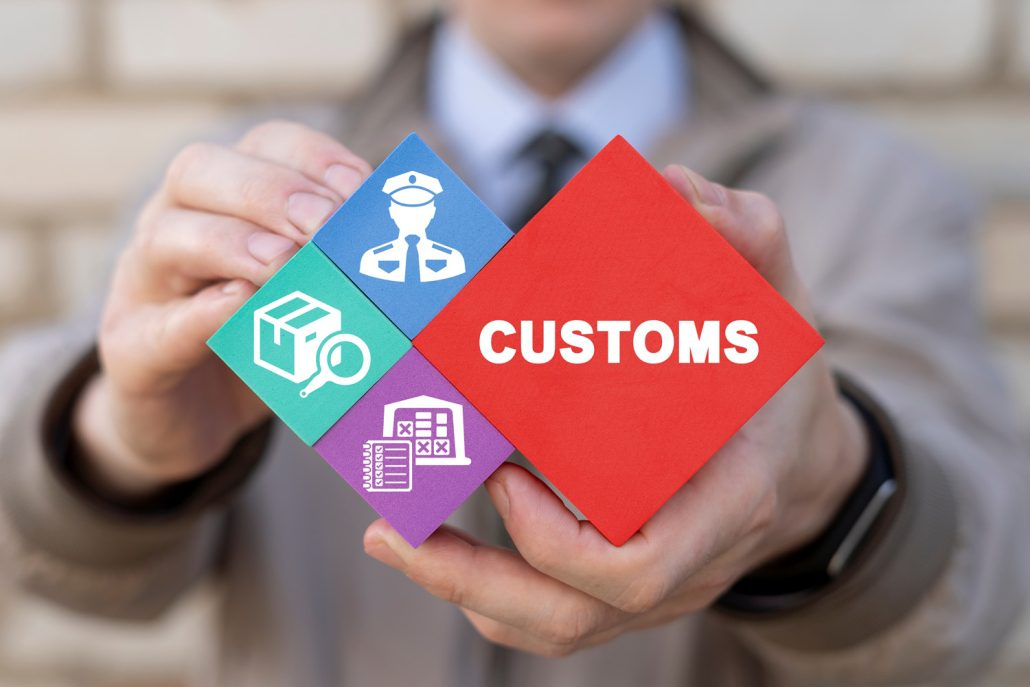
We handle all paperwork and other details for you.

Ensure safe packaging and loading of goods in your suppliers' factory.
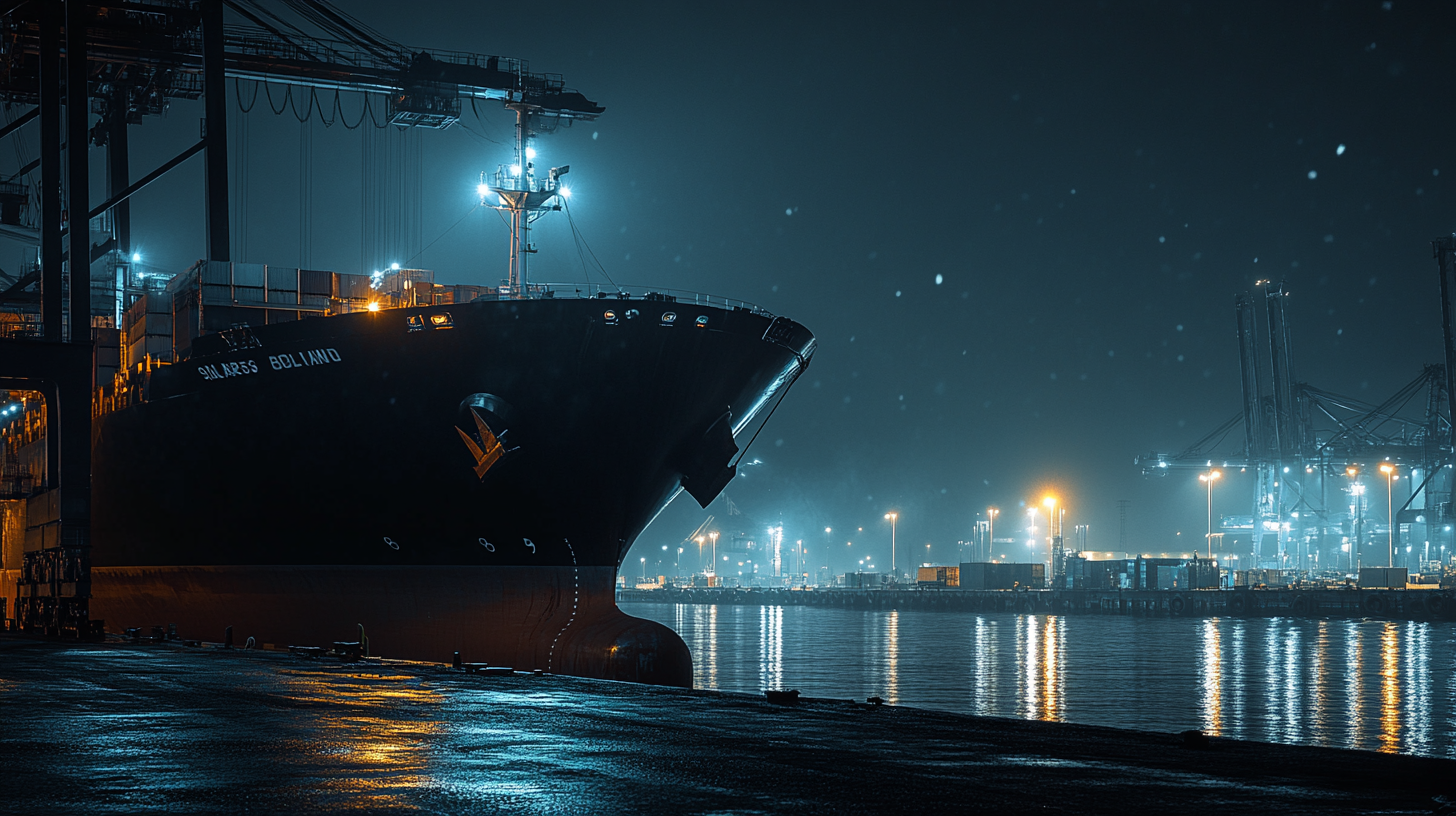
Shipping durations from China to Estonia depend on the transport method, departure and arrival ports, and customs procedures. Air freight is the quickest option, generally taking 7–14 days, though it is more expensive. Sea freight is more cost-effective for larger shipments, with typical transit times of 30–45 days. Additional factors such as port handling efficiency and possible customs delays can also influence overall delivery schedules.
Air freight provides much faster delivery, typically within 7–14 days, but comes at a higher cost. Sea freight, while slower—usually taking 30–45 days—is more economical and ideal for larger or bulk shipments where speed is less critical. Selecting between air and sea depends largely on how quickly the cargo needs to arrive and budget considerations.
Shipping goods from China to Estonia requires several key documents, including a commercial invoice, packing list, bill of lading, and customs declaration. For certain items, additional documents such as certificates of origin or health certificates may be necessary. Ensuring all paperwork is accurate and complete helps avoid delays during customs processing and facilitates smooth transit.
Customs duties and taxes for importing goods from China to Estonia are determined by the Harmonized System (HS) code of the products. Estonia follows EU regulations for import duties, which include VAT and any applicable tariffs. It’s crucial to check the specific HS code and relevant EU tariffs to estimate the total cost of importing goods and ensure compliance with local regulations.
Businesses can track shipments from China to Estonia using tracking services provided by freight forwarders and carriers. Most logistics companies offer online tracking tools that provide real-time updates on the shipment’s status, including its location and estimated delivery time. This helps businesses monitor progress and address any issues promptly during transit.
Common challenges in shipping from China to Estonia include delays in customs clearance, potential damage to goods during transit, and varying shipping times based on the chosen method. Additionally, language barriers and differences in regulatory requirements can pose difficulties. Proper planning, accurate documentation, and selecting reliable shipping partners can help mitigate these issues.
Using a freight forwarder offers several advantages, including expertise in navigating customs regulations, optimized routing for faster delivery, and handling of all logistical details. Freight forwarders can also negotiate better rates and provide tracking services, ensuring efficient and cost-effective shipping solutions tailored to specific business needs.
Seasonal factors can significantly impact shipping times. For example, peak seasons such as holidays or major trade fairs can lead to increased shipping volumes and potential delays. Weather conditions, like winter storms, can also affect transit times. Planning shipments outside peak periods and considering seasonal weather can help mitigate these delays.
Proper packaging is crucial for protecting goods during transit from China to Estonia. It helps prevent damage from handling, environmental conditions, and other transit-related factors. Using the right materials and techniques ensures that goods arrive in good condition, reducing the risk of loss or damage and potentially lowering insurance costs.
When choosing a shipping method, businesses should evaluate factors such as delivery speed, cost, and the type of goods being transported. Air freight provides faster delivery and is ideal for urgent shipments, though it comes at a higher cost. Sea freight is more economical and better suited for larger or less time-sensitive cargo. Ultimately, the selected shipping method should align with your overall logistics strategy and budget.
Design Quality is clean, intuitive, and visually appealing. Navigation is straightforward, and elements are well organized. Minor refinements could enhance the overall polish and user experience.

Code Quality is structured, readable, and maintainable. Logic is clear, and conventions are consistent. Documentation supports understanding, though more testing and modularization could boost robustness.
Features are comprehensive and consistently accessible, meeting most user needs. Core functions work reliably, and the layout makes them easy to find. Some advanced features could be more visible for better usability.