
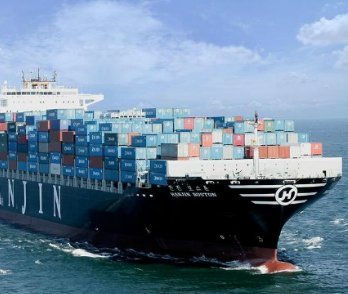
A substantial and steadily growing share of our Asia–Pacific customers are located in South Korea, making this advanced and highly competitive market a core pillar of our China–South Korea logistics network. AI Shipping China maintains long-term contract agreements with leading global and regional ocean carriers such as COSCO, OOCL, APL, EMC, Maersk (MSK), and HMM. Through these strategic partnerships, we secure reliable capacity and highly competitive freight rates for shipments from China to South Korea’s major seaports and inland logistics hubs.
With AI Shipping China as your logistics partner, moving cargo from China to South Korea becomes straightforward, transparent, and easy to manage. Once your goods are entrusted to us, our experienced operations team oversees the entire process—from factory pickup and export documentation in China, through customs clearance and main-leg sea or air transport, to final delivery at your address anywhere in South Korea. Our goal is to be your most dependable, long-term freight forwarder from China to South Korea. Request a tailored, competitive quote today.
AI Shipping China provides reliable and cost-effective sea freight services from China to South Korea, serving all key Korean ports such as Busan, Incheon, Gwangyang, Pyeongtaek, Ulsan, and Masan, as well as inland distribution centres across the greater Seoul area and industrial clusters nationwide. Through long-term cooperation with major carriers including COSCO, OOCL, APL, EMC, Maersk (MSK), and HMM, we secure attractive contract rates and stable container capacity on dense, high-frequency China–Korea and intra-Asia trade lanes. Whether you are shipping electronics, semiconductors, precision machinery, automotive parts, household goods, steel and construction materials, FMCG products, chemicals, or textiles, our ocean freight solutions are designed to deliver smooth coordination, short and predictable transit times, and efficient distribution throughout South Korea.
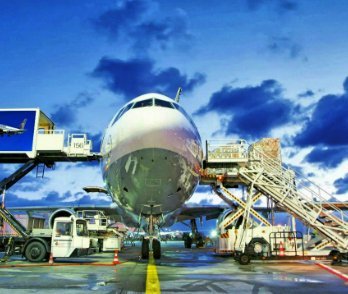
For urgent, high-value, or time-sensitive shipments destined for South Korea, our air freight service offers fast and secure transportation from major Chinese airports to leading Korean international gateways such as Incheon International Airport (ICN), Gimpo, Busan Gimhae, and other regional airports. AI Shipping China designs optimised flight routings and schedules to ensure reliable transit times, professional cargo handling at each airport, and minimal delays in transit. From pickup at your supplier’s facility and export customs clearance in China, through to import handling and last-mile delivery across South Korea, we manage the complete air logistics chain. This service is ideal for medical supplies, pharmaceuticals, high-tech components, semiconductor equipment and parts, critical spare parts, precision instruments, premium electronics, fashion items, samples, and any other mission-critical cargo headed for South Korea.

Our door-to-door shipping service delivers a comprehensive end-to-end logistics solution for companies and individuals moving cargo from China directly to South Korea. AI Shipping China coordinates every stage of the shipment, including factory or warehouse pickup in China, export documentation and customs declaration, international sea or air transportation, import customs clearance in South Korea, and final delivery to your specified address—whether it is a commercial warehouse, distribution centre, retail store, factory, free trade zone facility, Amazon / Coupang / other e-commerce fulfilment centre, or private residence. With full shipment visibility, proactive communication, and close cooperation with trusted local partners and trucking fleets throughout South Korea, we ensure a seamless, hassle-free shipping experience from origin in China all the way to your door in South Korea.
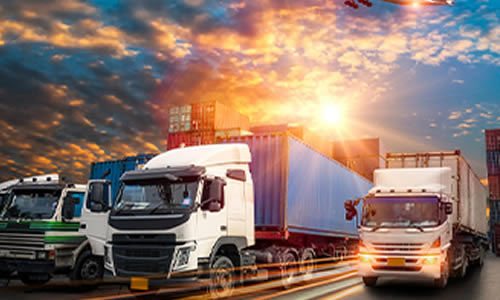
AI Shipping China offers full-container-load (FCL) shipping from China to South Korea, backed by strong contracts with major carriers and dependable container availability on frequent, direct China–Korea services calling at ports such as Busan, Incheon, Gwangyang, and Pyeongtaek. Our team arranges container bookings, supervises loading at your selected facility in China, manages export customs formalities, and organises the main sea leg to your nominated Korean gateway, followed by inland trucking within South Korea when required. FCL shipping is ideal for large-volume cargo such as construction materials, industrial and project machinery, complete production lines, automotive parts, electronics in bulk, household relocations, retail inventory, and textiles that require secure, dedicated, and consistent transportation into South Korea.
For shipments that do not fill an entire container, our less-than-container-load (LCL) service offers a flexible and economical way to ship from China to South Korea. We consolidate multiple consignments at major Chinese ports, arrange regular, direct ocean transport to key Korean gateways such as Busan and Incheon, and then coordinate customs clearance and final delivery to your consignee anywhere in South Korea. LCL is particularly suitable for small and medium-sized enterprises, mixed-SKU consignments, aftermarket spare parts, e-commerce orders, samples, and seasonal goods. This solution helps you keep logistics costs under control while still benefiting from professional, end-to-end international freight services into South Korea.
AI Shipping China will provide most fuel efficient pickup service China
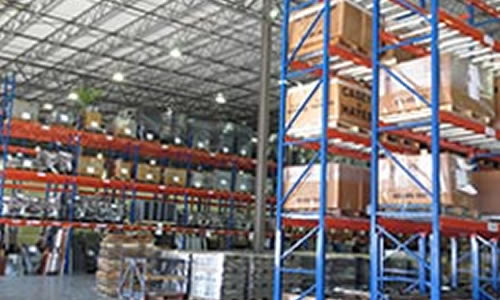
We provide free warehousing services for any of your goods.
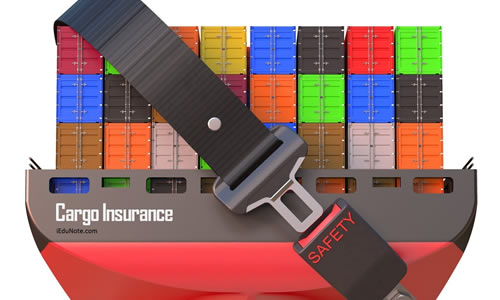
The cargo insurance protects your goods all the way to any Any FBA Warehouse

We handle all paperwork and other details for you.
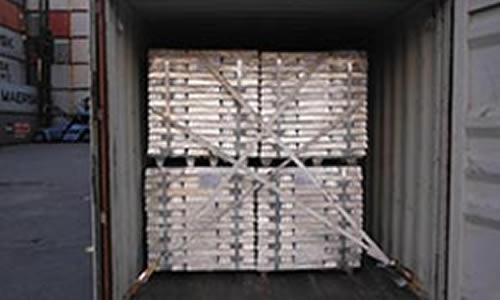
Ensure safe packaging and loading of goods in your suppliers' factory.
Shipping times are influenced by factors such as the mode of transport (air, sea, or land), the distance between origin and destination, and customs processing.
Additional delays may occur due to customs clearance or other unforeseen circumstances. Proper planning and working with a reliable freight provider can help minimize delays.
Air freight from China to South Sudan generally takes 7–15 days, including transport and potential customs processing. Actual transit times may vary depending on the airline, chosen route, and weather conditions.
If your shipment is delayed, follow these steps:
These actions can help identify and resolve delays efficiently.
Air freight offers several advantages, including faster delivery times, generally shorter transit durations, and more frequent flight schedules. It’s ideal for time-sensitive shipments or high-value goods that need prompt delivery. Additionally, air freight can provide better visibility and tracking capabilities compared to sea freight.
Customs regulations can impact shipping times and costs. Ensure your shipment complies with both Chinese export regulations and South Korean import requirements. Proper documentation, such as invoices and certificates of origin, must be provided. Non-compliance with regulations can lead to delays, fines, or even confiscation of goods.
Cost-effective options include using sea freight for large or bulky shipments and consolidating cargo to reduce shipping costs. For less urgent deliveries, consider standard shipping services rather than express options. Compare rates from different freight forwarders and shipping methods to find the most economical solution.
Use strong, durable packaging materials to protect goods during transit. Ensure items are well-padded, especially if they are fragile. For large or heavy items, use appropriate containers and secure all packages to prevent damage. Label packages clearly with handling instructions to reduce the risk of mishandling.
Research freight forwarders by checking their reputation, customer reviews, and service offerings. Verify their experience with shipments to South Korea and their track record for reliability and safety. Ask for references or case studies and ensure they provide comprehensive services, including customs clearance and tracking.
Consider factors such as the urgency of delivery, cost, and the nature of your cargo. Air freight is best for speed but is more expensive, while sea freight is more economical but slower. Evaluate your budget, timeline, and the sensitivity of the goods to determine the most appropriate method.
Shipping costs are generally determined by the weight and dimensions of the shipment. Larger or heavier cargo typically results in higher fees. Freight forwarders usually charge based on dimensional weight (volume-based) or actual weight, whichever is greater. Accurately measuring and weighing your goods can help prevent unexpected costs.
Features are comprehensive and consistently accessible, meeting most user needs. Core functions work reliably, and the layout makes them easy to find. Some advanced features could be more visible for better usability.

Customer Support is responsive, professional, and helpful. The team resolves issues efficiently with clear communication. Availability is good, though response times during busy periods could improve.

Code Quality is structured, readable, and maintainable. Logic is clear, and conventions are consistent. Documentation supports understanding, though more testing and modularization could boost robustness.