
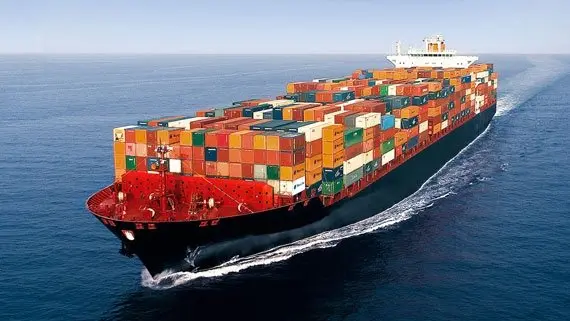
A steadily increasing share of our international customers are based in Suriname, making it an important destination within our China–Suriname logistics network. AI Shipping China maintains long-term contract rates with leading global carriers such as COSCO, OOCL, APL, EMC, Maersk (MSK), and HMM. These strategic partnerships allow us to secure competitive freight rates and dependable capacity for cargo moving from China to Suriname’s main seaports and regional hub connections.
Partnering with AI Shipping China makes shipping from China to Suriname clear, efficient, and worry-free. Once your goods are in our care, our experienced operations team manages the entire process—from pickup at the factory and export documentation in China to customs clearance and final delivery to your consignee in Suriname. Our goal is to be your most dependable freight forwarder from China to Suriname. Request a competitive quote today.
AI Shipping China provides reliable and cost-effective sea freight services from China to Suriname, typically routed via key Caribbean and East Coast South America gateway ports. Through long-term cooperation with major carriers such as COSCO, OOCL, APL, EMC, Maersk (MSK), and HMM, we secure attractive contract rates and stable container capacity on core Asia–Caribbean and Asia–ECSA trade lanes. Whether you are shipping electronics, industrial machinery, household goods, automotive parts, building materials, FMCG products, chemicals, or textiles, our ocean freight solutions are designed to ensure smooth coordination, predictable transit times, and well-managed deliveries to Suriname’s primary port of Paramaribo and other inland distribution points.
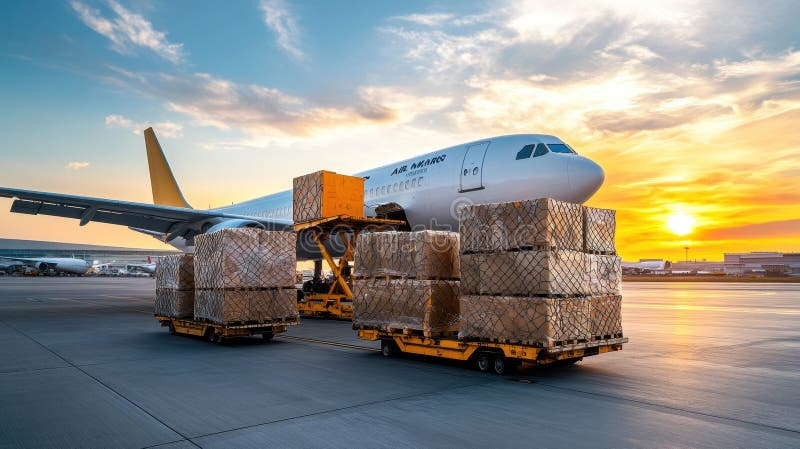
For urgent, high-value, or time-sensitive cargo, our air freight service offers fast and secure transportation from China to Suriname. AI Shipping China designs optimized flight routings to major regional airports serving Suriname and arranges onward connections to your final destination, helping you achieve dependable transit times and professional handling from origin to delivery. From pickup at your supplier’s facility and export customs clearance in China to import procedures and last-mile delivery across Suriname, we manage the complete air logistics process—ideal for medical supplies, pharmaceuticals, high-tech components, critical spare parts, precision instruments, premium electronics, samples, and other mission-critical shipments.

Our door-to-door shipping service delivers a comprehensive end-to-end logistics solution for businesses and individuals moving cargo from China to Suriname. AI Shipping China coordinates every stage of the shipment, including factory or warehouse pickup in China, export documentation, sea or air transportation, transshipment at regional hubs where needed, customs clearance in Suriname, and final delivery to the address you specify. With full shipment visibility, proactive communication, and close cooperation with local Surinamese partners and trucking fleets, we ensure a seamless, hassle-free shipping experience from origin in China all the way to your door in Suriname.

AI Shipping China offers full-container-load (FCL) shipping supported by competitive carrier contracts and dependable container availability on China–Suriname routes via major Caribbean and South American ports. Our team handles container booking, supervises loading at the origin facility, manages export customs formalities in China, and arranges the ocean leg to your nominated gateway, followed by inland trucking or feeder services into Suriname where required. FCL shipping is ideal for large-volume cargo such as construction materials, industrial and project machinery, complete production lines, household goods, automotive and energy-sector components, retail inventory, and bulk textiles that require secure, dedicated, and consistent transportation capacity to Suriname.
For shipments that do not fill an entire container, our less-than-container-load (LCL) service provides a flexible and economical option from China to Suriname. We consolidate multiple consignments at major Chinese ports, arrange ocean transport to principal Caribbean or East Coast South America gateways, and then coordinate deconsolidation, customs clearance, and inland delivery to your consignee in Suriname. LCL is particularly suitable for small and medium-sized enterprises, mixed-SKU consignments, aftermarket spare parts, e-commerce orders, samples, and seasonal goods, helping you control logistics costs while still benefiting from professional international freight services across Suriname.
AI Shipping China will provide most fuel efficient pickup service China
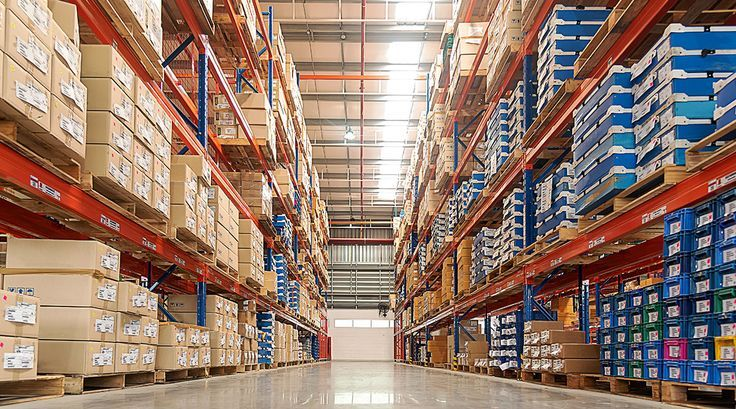
We provide free warehousing services for any of your goods.
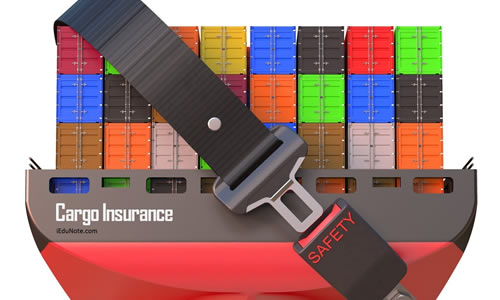
The cargo insurance protects your goods all the way to any Any FBA Warehouse

We handle all paperwork and other details for you.
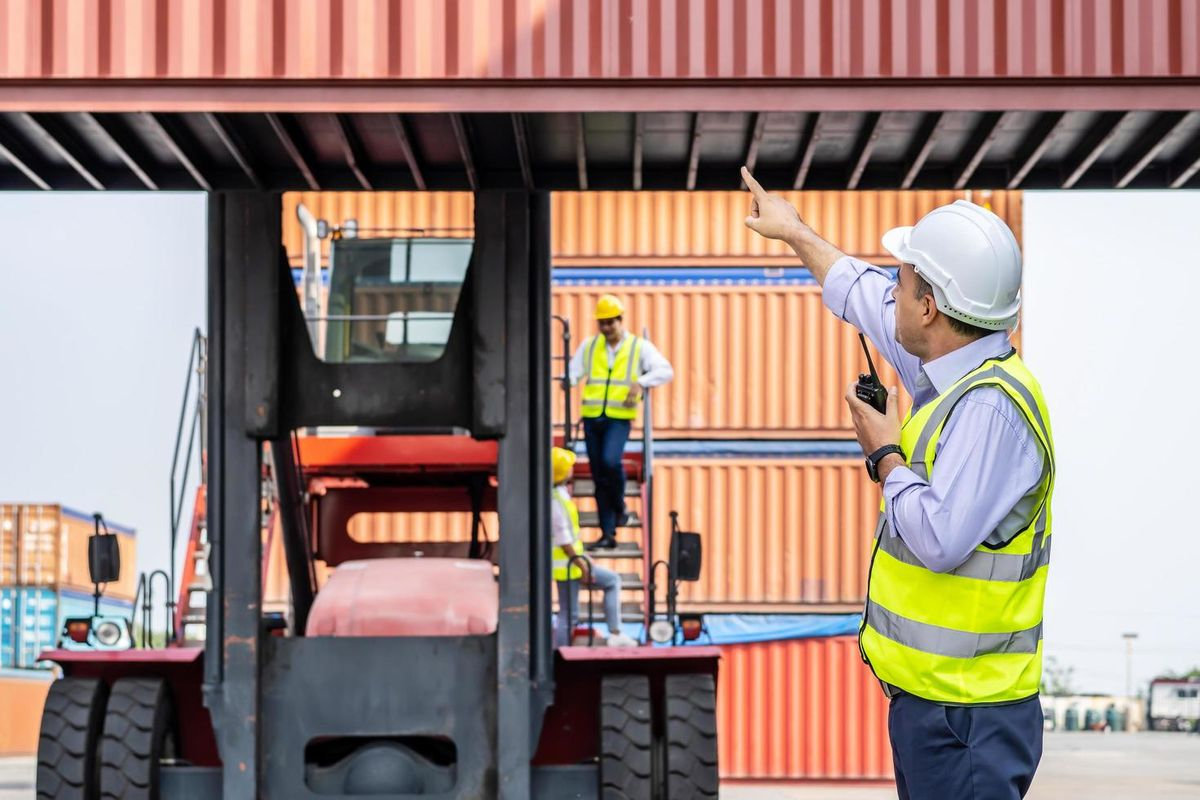
Ensure safe packaging and loading of goods in your suppliers' factory.
Transit schedules depend on a variety of factors, such as the selected mode of transport (air, sea, or courier), customs clearance efficiency, the carrier’s operational performance, seasonal fluctuations in shipping demand, and overall global logistics conditions. Generally, air freight provides the fastest delivery, with arrivals typically within 7 to 14 days, whereas sea freight is a more cost-effective option but takes longer, usually around 30 to 45 days.
Air freight is the quickest transport option, with delivery times commonly ranging from 7 to 14 days. This period generally covers packing, collection, flight transit, and customs clearance. Actual timelines may differ depending on the airline used, routing arrangements, and possible delays caused by customs procedures or congestion during peak shipping seasons.
Sea freight typically requires 30 to 45 days from origin to destination. This timeline accounts for ocean transit, port handling, customs clearance, and final delivery. Factors such as weather, seasonal congestion, and port efficiency can also affect the overall transit time.
The efficiency and reliability of the shipping company play a crucial role in delivery times. Reputable companies with established logistics networks can often provide faster and more reliable service, ensuring timely pickup, transit, and delivery, as well as efficient handling of customs and documentation.
Yes, the shipping route significantly impacts the transit time. Direct routes with fewer stops or transshipments are generally faster. Indirect routes with multiple stops or transfers can add several days or even weeks to the overall shipping time due to additional handling and potential delays at intermediary ports.
Customs clearance is a critical step in the shipping process. Delays in customs can significantly extend the overall shipping time. Efficient documentation, accurate declarations, and prompt payment of duties and taxes can help expedite this process and reduce delays.
Seasonal factors such as peak shopping seasons (e.g., Chinese New Year, Christmas) can lead to increased shipping volumes and potential delays. During these periods, both air and sea freight services may experience congestion, resulting in longer transit and processing times.
Global logistics issues such as port congestion, labor strikes, pandemics, and geopolitical tensions can all disrupt normal shipping operations. These issues can lead to delays, increased shipping times, and higher costs due to rerouting, additional handling, and supply chain interruptions.
Choosing between air freight and sea freight requires balancing speed and cost. Air freight offers faster delivery, making it ideal for urgent or high-value shipments, but comes at a higher price. Sea freight, on the other hand, is more economical for larger or non-urgent cargo, though transit times are significantly longer.
To achieve quicker delivery, work with a trusted shipping provider known for consistent performance, select direct routes whenever available, and ensure all required paperwork is completed accurately and in advance. For time-sensitive cargo, expedited shipping options can significantly reduce transit times. Staying aware of possible disruptions and scheduling shipments outside peak seasons can further help minimize delays and improve overall efficiency.
Customer Support is responsive, professional, and helpful. The team resolves issues efficiently with clear communication. Availability is good, though response times during busy periods could improve.

Code Quality is structured, readable, and maintainable. Logic is clear, and conventions are consistent. Documentation supports understanding, though more testing and modularization could boost robustness.

Features are comprehensive and consistently accessible, meeting most user needs. Core functions work reliably, and the layout makes them easy to find. Some advanced features could be more visible for better usability.