
China Export Logistics Affordable: Top Cost-Saving Strategies for 2025
Navigating the complexities of global trade requires finding china export logistics affordable solutions that maintain high reliability. Businesses often struggle with fluctuating freight rates, yet strategic planning can significantly lower your overall shipping expenditures. By partnering with a professional freight forwarder like Ai Shipping China, you can streamline your supply chain and ensure your goods arrive on time and within budget.
What Makes China Export Logistics Affordable for Modern Businesses?
Finding cost-effective solutions involves analyzing every step of the transportation process from the factory to the warehouse. Moreover, the scale of Chinese manufacturing allows for competitive pricing in the logistics sector due to high volume and optimized infrastructure.
Strategic consolidation of goods is one of the most effective ways to reduce individual shipping costs for small to medium enterprises. Consequently, many importers utilize shared container space to avoid paying for empty volume they do not need.
Furthermore, leveraging established networks of local carriers in China can lead to significant savings on domestic trucking and warehouse storage fees. Additionally, choosing the right port of departure, such as Ningbo or Shenzhen, can minimize inland transport costs based on the factory location.
Indeed, transparency in pricing remains a critical factor for businesses looking to maintain a predictable budget for their international operations. Therefore, working with experienced agents helps in identifying hidden fees before the shipment departs.
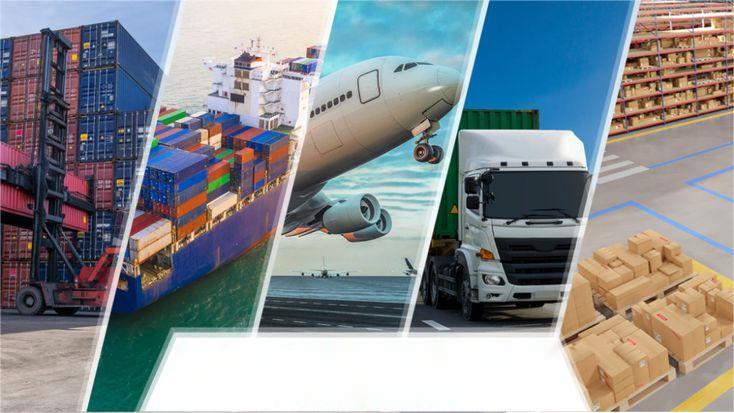
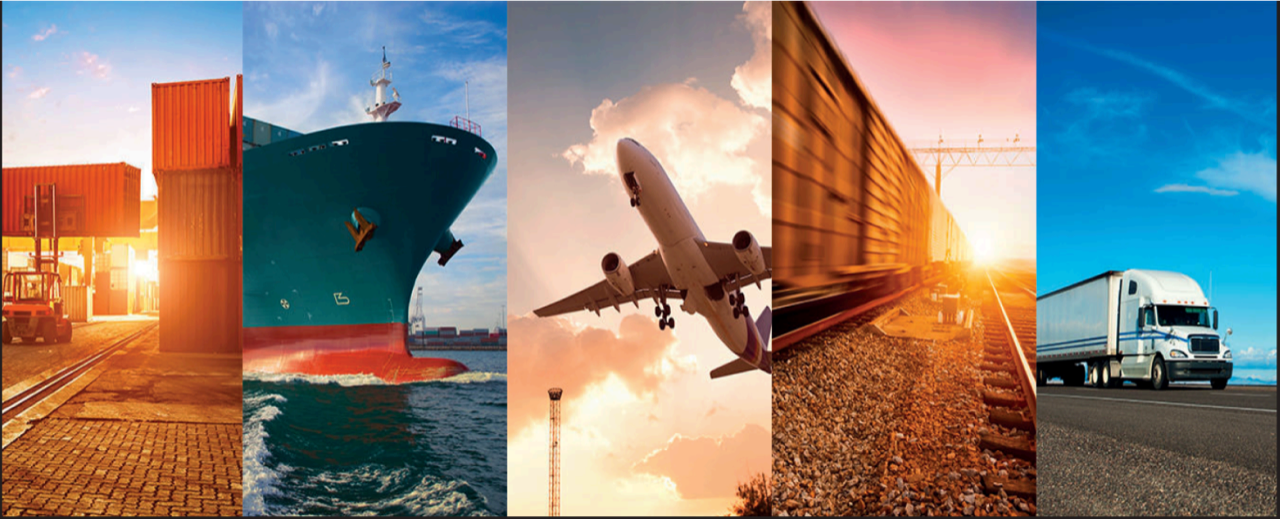
How to Choose Between Sea, Air, and Rail Freight?
Choosing the most suitable transportation mode depends heavily on your specific timeline and the nature of your cargo. Specifically, sea freight is the most economical choice for large volumes and heavy goods that are not time-sensitive.
Air transport offers unparalleled speed for high-value items or urgent restocking needs, though it comes at a higher price point. In contrast, utilizing air freight is typically reserved for electronics or perishables where shelf life is a primary concern.
Rail freight has emerged as a powerful middle ground for shipments traveling from China to Europe, offering faster transit than sea at a lower cost than air. Nevertheless, rail options are limited by geography and are not available for island nations like Australia.
Without a doubt, comparing these methods based on your inventory turnover rate can prevent overspending on unnecessary speed.
| Sea Freight | Low | 25-45 Days | Bulk Cargo |
| Air Freight | High | 3-7 Days | Urgent Goods |
| Rail Freight | Medium | 15-22 Days | Mid-value |
| Express | Very High | 2-5 Days | Samples |
How Does Sea Freight Compare to Other Shipping Options?
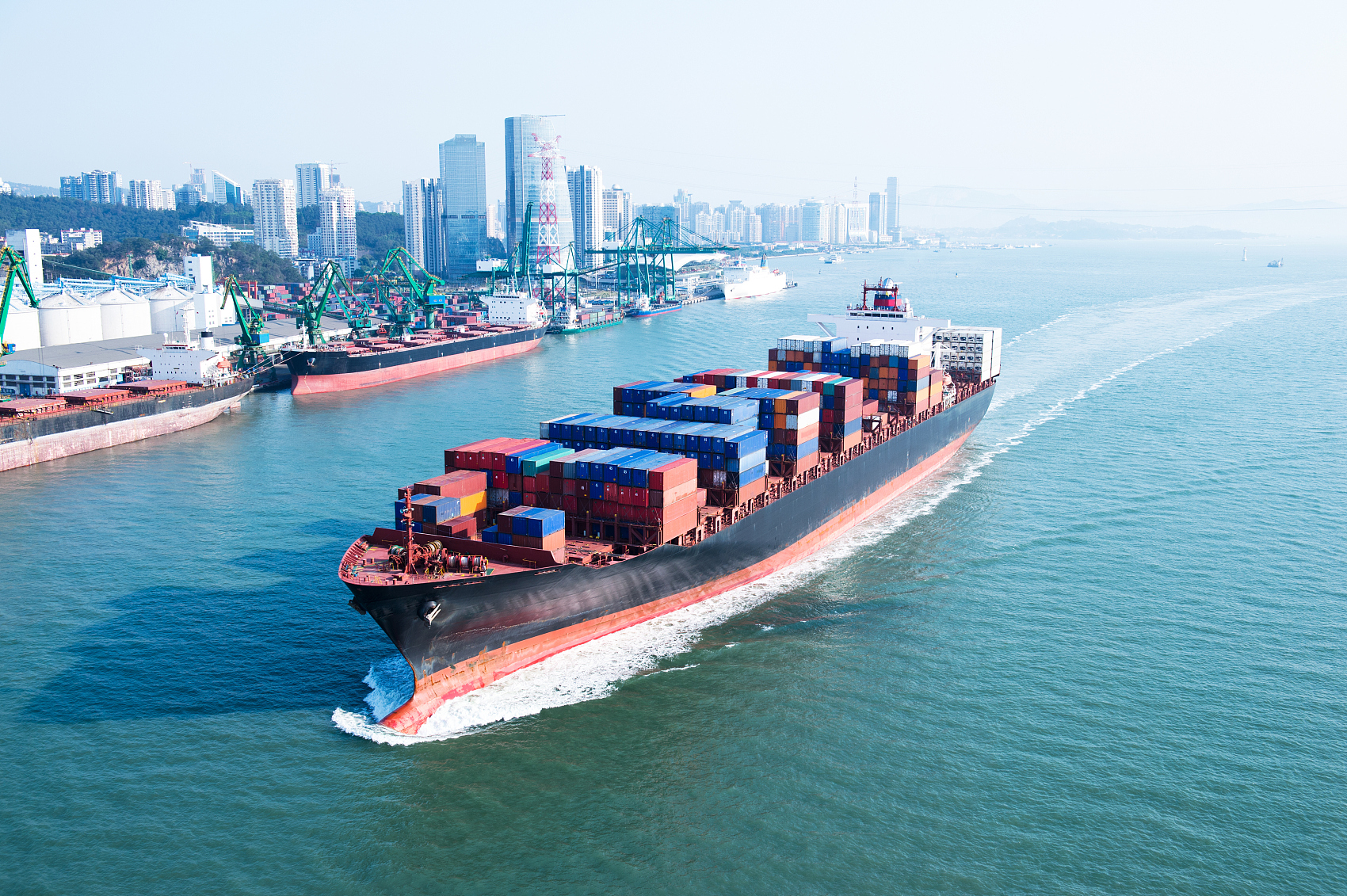
Ocean transport remains the backbone of global trade because of its massive capacity and low fuel consumption per ton of cargo. While sea freight costs approximately 2000 to 3500 dollars for a 40HQ container to Europe, air freight for the same volume would be prohibitively expensive.
Direct routes from major Chinese hubs usually cost about 10 to 15 percent more but save nearly a week in transit time compared to transshipment routes. Therefore, importers must weigh the cost of capital tied up in inventory against the immediate savings of a slower route.
For shipments under 15 CBM, Less than Container Load (LCL) options at 50 to 80 dollars per CBM are often more economical than renting a full container. However, Full Container Load (FCL) becomes the cheaper option once you reach a specific volume threshold.
| FCL (40HQ) | $3,000-4,500 | 30-35 Days | High Volume Req |
| LCL (Per CBM) | $60-120 | 35-40 Days | Handling Risks |
| Sea-Air Hybrid | $2,500-3,500 | 15-20 Days | Complex Routing |
| Direct Rail | $4,000-6,000 | 18-22 Days | Limited Ports |
Which Option Should You Choose?
Budget priority dictates that you should almost always recommend sea freight for non-urgent shipments over 500 kilograms. If speed is your primary concern, air freight or express services are the only viable paths to meet tight deadlines.
Cargo type considerations also play a major role, as hazardous materials or oversized machinery require specialized handling that influences the final price. For instance, heavy machinery is best suited for FCL sea freight to ensure stability during the long voyage.
Volume thresholds for switching methods are usually around 13 to 15 CBM, where the cost of LCL starts to equal the price of a 20GP container. Accordingly, analyzing your monthly shipping volume can reveal opportunities for cost consolidation.
Why Customs Brokerage Matters for Cost Control?
Navigating the complex world of international regulations requires a deep understanding of the customs brokerage process to avoid costly delays. Improper documentation can lead to storage fees at the port, which quickly erode any savings gained on freight rates.
Efficient brokers ensure that your goods are classified under the correct HS codes, potentially saving you thousands in unnecessary duties and taxes. Furthermore, they stay updated on the latest trade agreements between China and various regions.
In addition, having a professional handle your paperwork reduces the risk of customs audits and cargo seizures. Specifically, as of early 2025, stricter environmental regulations in Europe require more detailed reporting for certain imported goods.
Proper management of duties and taxes is essential for calculating an accurate landed cost, which is the total price of a product once it reaches your door.
Can Rail Freight Offer a Middle Ground for Logistics?
Utilizing rail freight provides a reliable alternative for businesses that need faster delivery than sea but cannot afford air rates. This method is particularly effective for shipments moving from central China to inland European destinations.
Rail transport is less affected by weather conditions compared to sea freight, leading to more predictable delivery schedules. Meanwhile, the development of the Silk Road rail network has increased the frequency of departures between major hubs.
Notably, rail freight is often considered more environmentally friendly than air transport, appealing to companies with sustainability goals. However, it is important to remember that rail services are not available for routes to North America or Australia.
By choosing rail, businesses can often reduce their transit time by half compared to ocean transport for a fraction of the cost of air.
Is Door to Door Shipping the Most Affordable Choice?
Many importers find that door to door services offer the best value by combining all logistics steps into a single, managed price. This approach eliminates the need to coordinate between multiple truckers, warehouses, and customs agents.
Although the upfront quote might seem higher than port-to-port rates, the reduction in administrative overhead and hidden handling fees often results in lower total costs. This is especially true for small businesses without dedicated logistics departments.
To summarize, a comprehensive service covers everything from the factory floor to the final destination warehouse. This end-to-end visibility allows for better inventory planning and reduces the likelihood of missing shipments.
Using a single provider for the entire journey also simplifies the claims process in the rare event that cargo damage occurs.
Real-World Case Studies in Affordable China Logistics
Examining real-world examples helps in understanding how different factors influence the final cost of shipping. These cases are based on market data from early 2025 and represent typical scenarios for global trade.
Below are three distinct scenarios showing how various methods and routes impact the timeline and budget for china export logistics affordable solutions.
+———————————————————+ | Case Study 1: Electronics from Shenzhen to Los Angeles | | Route: Shenzhen, China -> Los Angeles, USA | | Cargo: Consumer Electronics, 65 CBM, 12000 kg | | Container: 40HQ | | | | Shipping Details: | | – Carrier: Major Transpacific Carrier | | – Port of Loading: Shenzhen | | – Port of Discharge: Los Angeles | | – Route Type: Direct | | | | Cost Breakdown: | | – Ocean Freight: $3,200 | | – Origin Charges: $450 | | – Destination Charges: $600 | | – Customs & Duties: $2,100 | | – Total Landed Cost: $6,350 | | | | Timeline: | | – Booking to Loading: 4 days | | – Sea Transit: 16 days | | – Customs Clearance: 2 days | | – Total Door-to-Door: 25 days | | | | Key Insight: Direct sailing saved 8 days vs transship. | +———————————————————+
+———————————————————+ | Case Study 2: Textiles from Shanghai to Hamburg | | Route: Shanghai, China -> Hamburg, Germany | | Cargo: Apparel, 4 CBM, 850 kg | | Container: LCL (Less than Container Load) | | | | Shipping Details: | | – Carrier: Global Consolidation Service | | – Port of Loading: Shanghai | | – Port of Discharge: Hamburg | | – Route Type: Transshipment via Singapore | | | | Cost Breakdown: | | – Ocean Freight: $320 | | – Origin Charges: $120 | | – Destination Charges: $180 | | – Customs & Duties: $450 | | – Total Landed Cost: $1,070 | | | | Timeline: | | – Booking to Loading: 5 days | | – Sea Transit: 34 days | | – Customs Clearance: 3 days | | – Total Door-to-Door: 45 days | | | | Key Insight: LCL was 70% cheaper than a 20GP container. | +———————————————————+
+———————————————————+ | Case Study 3: Machinery from Ningbo to Sydney | | Route: Ningbo, China -> Sydney, Australia | | Cargo: Industrial Parts, 28 CBM, 15000 kg | | Container: 20GP | | | | Shipping Details: | | – Carrier: Regional Ocean Carrier | | – Port of Loading: Ningbo | | – Port of Discharge: Sydney | | – Route Type: Direct | | | | Cost Breakdown: | | – Ocean Freight: $1,150 | | – Origin Charges: $380 | | – Destination Charges: $520 | | – Customs & Duties: $900 | | – Total Landed Cost: $2,950 | | | | Timeline: | | – Booking to Loading: 3 days | | – Sea Transit: 14 days | | – Customs Clearance: 2 days | | – Total Door-to-Door: 22 days | | | | Key Insight: Low seasonal rates in Q1 reduced costs. | +———————————————————+
Market Trends and Future Outlook for 2025
Current market intelligence suggests that freight rates from China have stabilized after the significant disruptions seen in 2024. As of Q1 2025, capacity has increased on most major trade lanes, leading to more competitive pricing for importers.
Industry average for these routes indicates a shift toward more digitalized tracking and automated customs filings. Consequently, companies that adopt these technologies are seeing faster turnaround times and fewer administrative errors.
Typical rates as of early 2025 show that peak season surcharges are expected to remain moderate compared to previous years. Therefore, planning shipments during the shoulder seasons can still provide a 15 to 20 percent cost advantage.
Note: Freight rates are subject to change based on fuel costs, carrier capacity, and seasonal demand. Contact us for a current quote tailored to your specific shipment.
Final Thoughts on Affordable Logistics
Achieving china export logistics affordable results requires a combination of strategic planning, the right transport mode, and expert customs handling. By understanding the trade-offs between speed and cost, you can make informed decisions that benefit your bottom line.
Partnering with a reliable freight forwarder ensures that you stay ahead of market trends and avoid common pitfalls in the shipping process. Whether you choose sea, air, or rail, focus on total landed cost to ensure long-term profitability.
Start implementing these cost-saving strategies today to transform your export operations into a competitive advantage in the global marketplace.
Ready to streamline your logistics?
Ready to optimize your supply chain with china export logistics affordable solutions? Contact our expert team today to receive a personalized quote and discover how we can streamline your international shipping process. Visit our inquiry page to get started: Visit https://aishippingchina.com/
Request Quote