
Sea Freight China Express Italy: A 2025 Comprehensive Logistics Guide
Navigating international trade requires a deep understanding of efficient logistics solutions that balance speed and cost effectively. Finding a reliable sea freight china express italy service is essential for businesses looking to maintain a competitive edge in the European market. Ai Shipping China provides specialized support and tailored solutions for these critical international shipping routes.
What is Sea Freight China Express Italy?
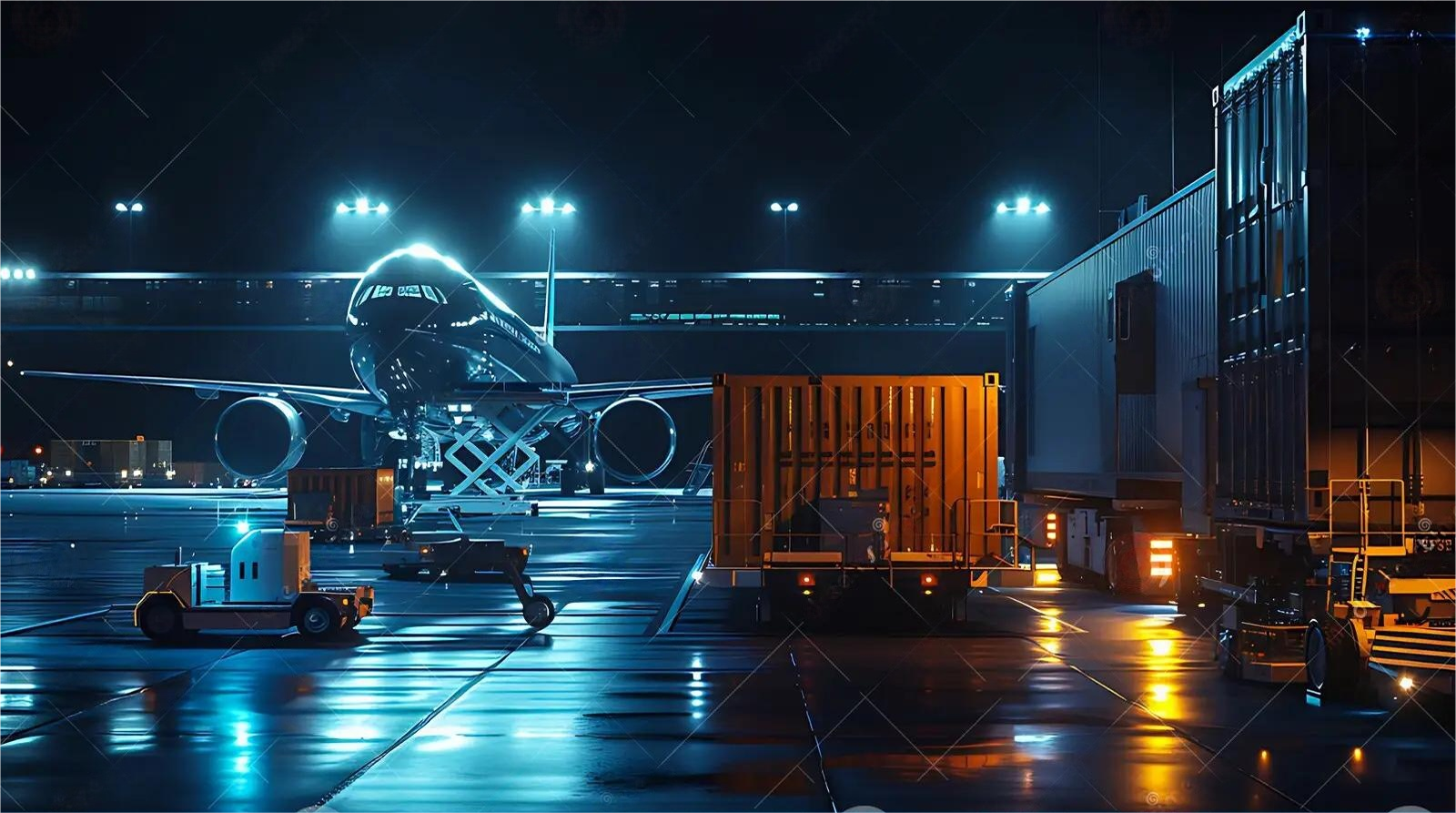
Sea freight remains the backbone of global commerce, specifically for high-volume trade between Asian manufacturing hubs and European destinations. This specialized logistics route focuses on moving goods from major Chinese ports to Italian gateways like Genoa, Trieste, and Naples.
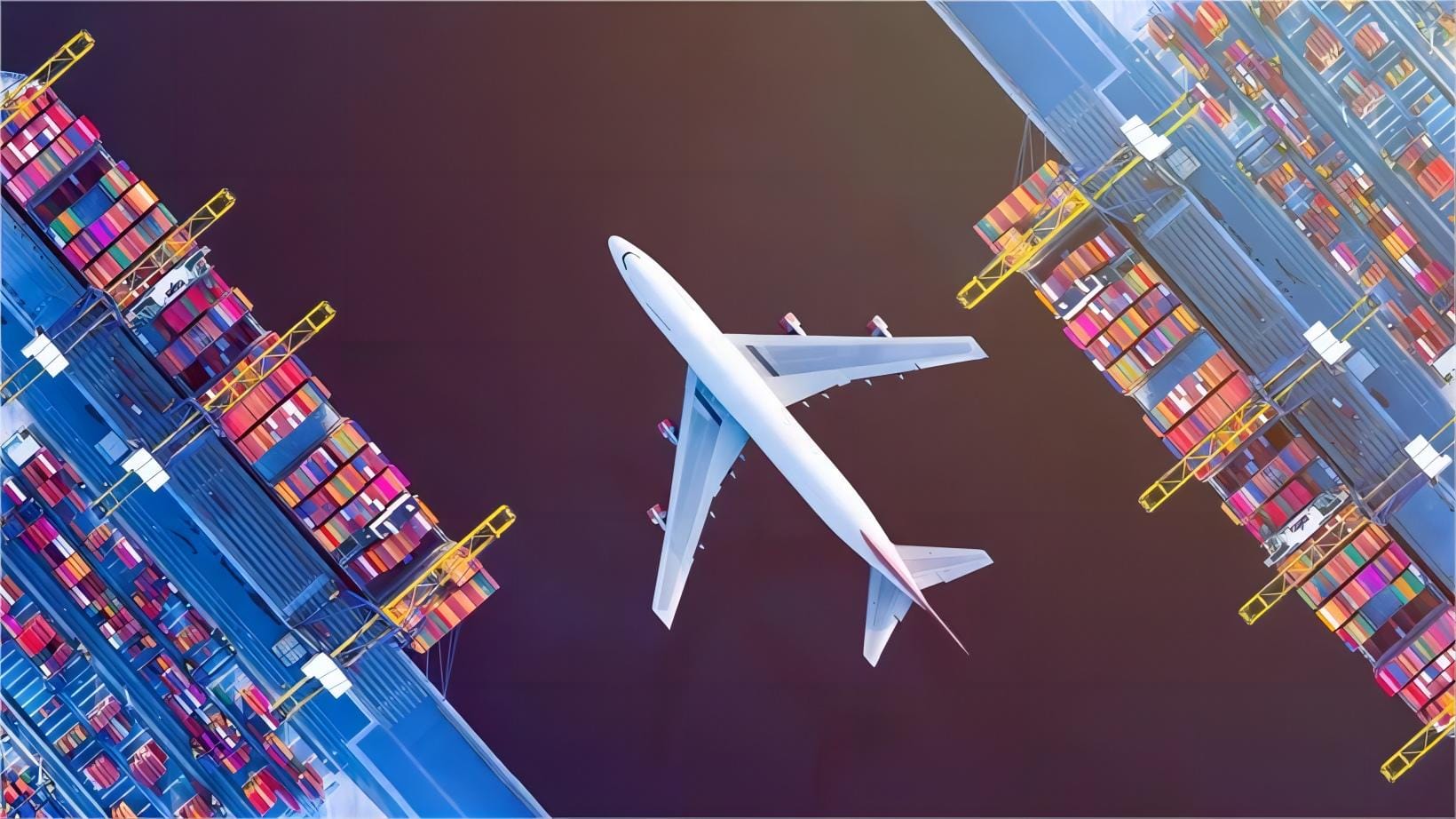
Choosing sea freight allows businesses to transport massive quantities of goods at a fraction of the cost of other methods. Furthermore, the express version of this service utilizes faster vessels and prioritized handling to reduce the standard maritime transit time significantly.
Specifically, this method caters to importers who require more speed than traditional ocean shipping but cannot justify the high expense of aviation. Consequently, it has become a preferred choice for the fashion, machinery, and electronics industries in Italy.
How Does Sea Freight China Express Italy Compare to Other Shipping Options?
Evaluating different transportation modes is crucial for optimizing your supply chain and reducing overall landed costs. While maritime transport is generally slower than air freight, it offers unparalleled capacity for heavy or bulky cargo.
Alternatively, rail freight provides a middle-ground solution in terms of both speed and price, although it is subject to different geopolitical risks. Meanwhile, sea freight remains the most stable and cost-effective option for large-scale inventory replenishment.
Moreover, the express sea service bridges the gap by offering guaranteed departure dates and faster inland delivery upon arrival. Therefore, businesses must weigh the urgency of their shipment against the budget constraints of their specific project.
| Shipping Method | Cost Range | Transit Time | Best For |
|---|---|---|---|
| Sea Express | $2,500 – $4,200 | 25 – 32 Days | Large Volume |
| Air Freight | $8,000 – $15,000 | 5 – 8 Days | Urgent Goods |
| Rail Freight | $4,000 – $6,500 | 18 – 24 Days | Mid-size Cargo |
| Standard Sea | $1,800 – $3,500 | 35 – 45 Days | Budget Priority |
What are the Benefits of Express Sea Freight to Italy?
Utilizing an express maritime service offers several distinct advantages over traditional shipping methods. Primarily, these services often use direct routes that bypass multiple transshipment hubs, which minimizes the risk of cargo damage and delays.
Additionally, express shipments usually receive priority loading at the port of origin and faster discharge at the destination port. This streamlined cargo handling ensures that your products reach the Italian market much faster than standard container shipping.
Indeed, the reliability of these schedules allows for better inventory planning and more accurate delivery forecasts for your customers. Consequently, many Italian importers are shifting their focus toward these optimized sea routes to maintain lean supply chains.
Transit Times from Major Chinese Ports to Italy
Understanding the delivery schedule is vital for managing customer expectations and production timelines. Transit times vary depending on the port of loading in China and the specific discharge port in Italy.
For instance, shipments from Shenzhen or Guangzhou typically arrive in Southern Italian ports faster than those from Northern Chinese hubs like Tianjin. Furthermore, weather conditions and seasonal congestion can influence these durations throughout the year.
Notably, direct services to Genoa or La Spezia are often the fastest options for cargo destined for Northern Italy or Central Europe. Meanwhile, the Port of Trieste serves as an excellent gateway for goods heading toward the Adriatic region.
| Origin Port | Destination Port | Transit (Days) | Service Type |
|---|---|---|---|
| Shanghai | Genoa | 28 – 32 | Express Direct |
| Shenzhen | Naples | 25 – 30 | Express Direct |
| Ningbo | Trieste | 30 – 35 | Standard |
| Qingdao | La Spezia | 32 – 38 | Transshipment |
Understanding Container Pricing and Freight Rates
Freight rates for the China to Italy route are influenced by several market factors, including fuel surcharges and seasonal demand. As of early 2025, rates have stabilized significantly compared to the volatility seen in previous years.
Specifically, Full Container Load (FCL) shipping offers the best value for large shipments that can fill a 20ft or 40ft container. In contrast, Less than Container Load (LCL) is more suitable for smaller batches where you only pay for the space you occupy.
Furthermore, peak seasons like the lead-up to the Christmas holidays or the weeks before Chinese New Year often see a 15 to 25 percent increase in costs. Therefore, booking your shipments at least 3 to 4 weeks in advance is highly recommended to secure better pricing.
| Container Type | Typical Cost | Capacity (CBM) | Best For |
|---|---|---|---|
| 20GP Container | $1,800 – $2,600 | 28 – 30 | Heavy Goods |
| 40GP Container | $2,800 – $3,800 | 58 – 60 | Standard Cargo |
| 40HQ Container | $3,200 – $4,500 | 68 – 70 | Voluminous Goods |
| LCL (per CBM) | $80 – $150 | Variable | Small Batches |
How to Optimize Your Supply Chain with Door to Door Shipping?
Implementing a door to door strategy simplifies the entire logistics process by consolidating multiple steps into a single service. This approach ensures that your cargo is managed from the supplier’s warehouse in China directly to your doorstep in Italy.
Moreover, this service typically includes inland transportation, port handling, and final mile delivery, which reduces the administrative burden on your team. Consequently, you can focus on your core business activities while logistics experts handle the complexities of the journey.
Indeed, door to door solutions often provide better visibility and tracking throughout the shipping process. Therefore, it is an excellent choice for businesses that lack an in-house logistics department or those dealing with complex delivery requirements.
Navigating Customs Clearance and Documentation
Customs compliance is one of the most critical aspects of importing goods from China to Italy. Errors in documentation can lead to significant delays, additional storage fees, and even legal complications with Italian authorities.
Specifically, you must ensure that all commercial invoices, packing lists, and bills of lading are accurate and complete. Additionally, hiring a professional customs brokerage can help you navigate the specific Italian import regulations and VAT requirements.
Furthermore, certain products may require specific certifications such as the CE mark to be sold within the European Union. Consequently, verifying these requirements before the goods leave China is essential for a smooth entry into the Italian market.
Why Choose Express Service for Urgent Shipments?
When time is of the essence but air freight is too expensive, the express service for sea freight becomes the optimal solution. These services prioritize your cargo at every stage, from the initial booking to the final delivery.
Additionally, many express providers offer guaranteed space even during peak seasons when container availability is limited. This reliability is crucial for maintaining production schedules and meeting strict retail deadlines in Italy.
Specifically, the use of faster vessels and dedicated port terminals can shave several days off the total transit time. Therefore, the small premium paid for express handling often results in significant savings in terms of time and market opportunity.
Which Option Should You Choose?
Selecting the right shipping method depends on your specific business priorities and the nature of your cargo. If your primary goal is to minimize costs and you have flexible timelines, standard sea freight is the most logical choice.
On the other hand, if you need to balance speed with budget, the sea freight china express italy service offers the best middle ground. For extremely urgent or high-value items, air freight remains the only viable option despite the significantly higher costs.
Furthermore, consider the volume of your shipment; FCL is better for security and speed, while LCL is ideal for testing new products or smaller inventory runs. Ultimately, a thorough analysis of your supply chain needs will reveal the most efficient path forward.
Alternative Strategies and Hybrid Solutions
Innovative logistics managers often use hybrid solutions to optimize their shipping strategies. For example, sea-air combinations involve shipping goods by sea to a hub like Dubai and then flying them to Italy to save both time and money.
Additionally, businesses can split their shipments, sending a small portion by air for immediate needs while the bulk of the inventory follows via sea freight. This strategy ensures that stockouts are avoided without overspending on transportation.
Moreover, considering different ports of entry in Europe can sometimes lead to faster inland transit times to specific Italian regions. Consequently, staying flexible with your routing can provide unexpected cost-saving opportunities and improved efficiency.
Real Case Studies
Case Study 1: High-End Machinery from Shanghai to Genoa. A manufacturing firm needed to transport 3 units of industrial machinery. By choosing a 40HQ container via express sea freight, they saved $12,000 compared to air freight while arriving in just 29 days.
Case Study 2: Fast Fashion from Shenzhen to Milan. A clothing retailer utilized LCL shipping for a 12 CBM shipment. By using a door-to-door express service, they bypassed port delays and delivered the goods to their warehouse in 31 days total.
Case Study 3: Electronics Components from Ningbo to Naples. An electronics distributor opted for a 20GP container. Despite Q4 peak season congestion, the express routing ensured their shipment arrived on time for the holiday sales period.
Market Intelligence and 2025 Trends
The logistics landscape for the China to Italy route continues to evolve with technological advancements and shifting trade policies. As of Q1 2025, digital tracking and automated customs filings are becoming standard requirements for efficient shipping.
Furthermore, the industry is seeing a move toward greener shipping options as carriers invest in LNG-powered vessels to meet EU environmental regulations. These trends may influence future pricing but will ultimately lead to a more sustainable and transparent supply chain.
Additionally, businesses should monitor the ongoing developments in global maritime routes, such as potential shifts in Suez Canal traffic. Staying informed about these logistics trends allows you to adapt your strategy proactively and avoid unnecessary disruptions.
Mastering Your Sea Freight China Express Italy Logistics
Successfully managing sea freight china express italy shipments requires a combination of strategic planning, reliable partners, and market knowledge. By understanding the nuances of transit times, container pricing, and customs requirements, you can significantly improve your bottom line.
Whether you are shipping bulk machinery or small batches of consumer goods, choosing the right maritime service is the key to long-term success. We encourage you to leverage the insights provided in this guide to make informed decisions for your next shipment from China to Italy.

Ready to streamline your logistics?
Optimize your supply chain today with our professional sea freight china express italy solutions. Contact our expert team at Ai Shipping China to request a tailored quote and experience seamless international logistics. Send Inquiry: Visit https://aishippingchina.com
Request Quote