
China Export Logistics Germany: A Complete Guide to Shipping Efficiency
China export logistics Germany represents one of the most vital trade corridors in the global economy, connecting the worlds manufacturing hub with Europes industrial powerhouse. Navigating this complex route requires a deep understanding of transport modes, regulatory requirements, and strategic planning. By partnering with Ai Shipping China, businesses can streamline their operations and ensure that cargo moves seamlessly across continents while maintaining cost-effectiveness.
What are the Key Components of China Export Logistics Germany?
Managing the flow of goods between these two nations involves several critical stages, ranging from factory pickup to final last-mile delivery. Initially, the process begins with selecting the most appropriate transport mode based on the nature of the goods and the required delivery schedule. For instance, high-value electronics often require different handling compared to bulk industrial raw materials.
Moreover, the infrastructure supporting this route is incredibly robust, featuring world-class ports in Shanghai and Ningbo and advanced rail terminals in Duisburg. Consequently, shippers have multiple entry points into the German market, allowing for flexibility in routing. Additionally, the integration of digital tracking systems has made it easier than ever to monitor shipments in real-time.
Furthermore, understanding the local regulations in both the origin and destination is paramount for success. Indeed, German customs are known for their precision and strict adherence to European Union standards. Therefore, documentation accuracy remains the most significant factor in preventing unnecessary delays at the border.
How Does Sea Freight Compare to Other Shipping Options?
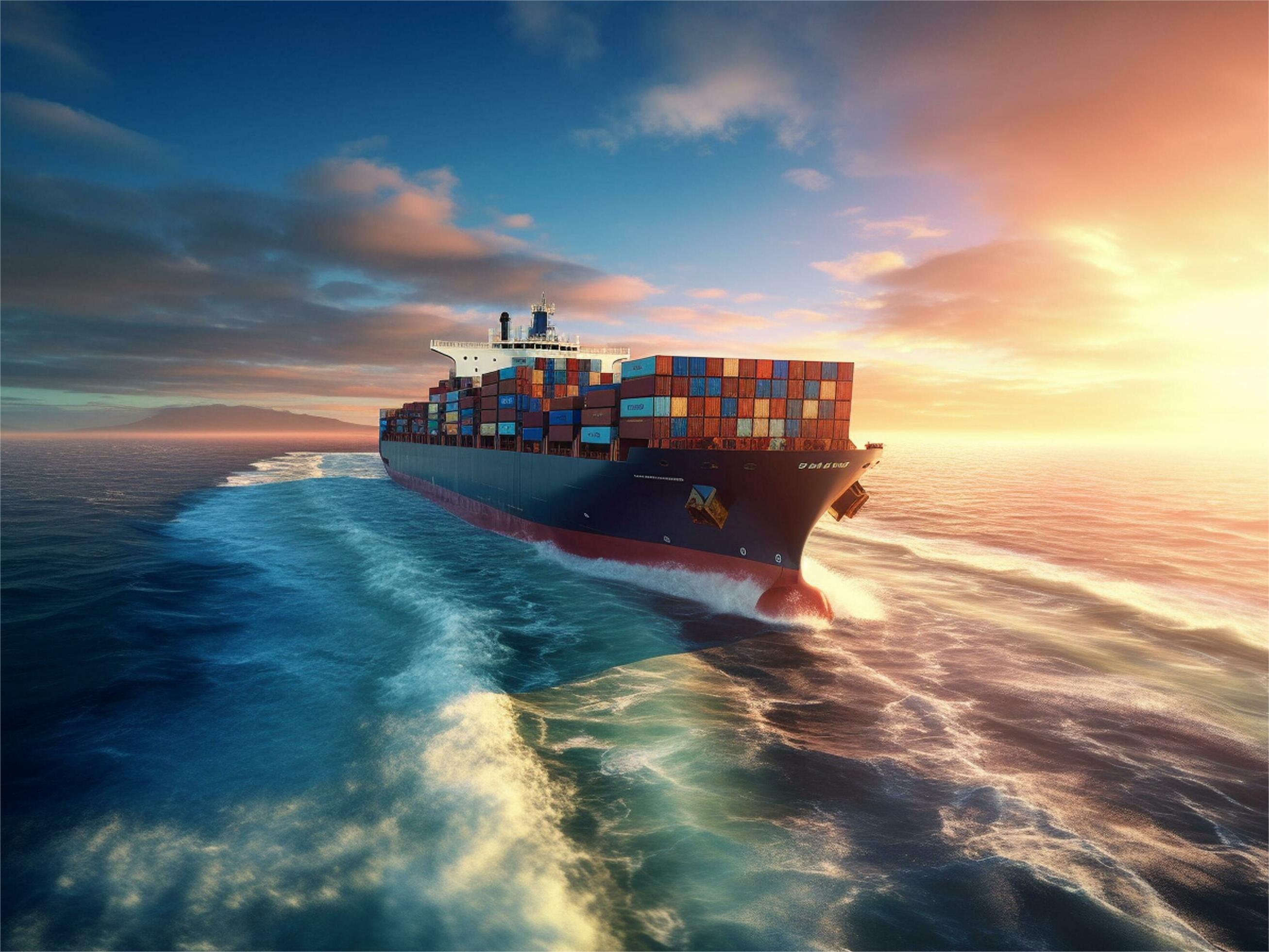
Sea freight continues to be the primary method for transporting large volumes of goods due to its unmatched cost-efficiency. While it offers the lowest price per unit, the transit times are considerably longer than air or rail alternatives. However, for companies planning their inventory well in advance, sea freight provides a stable and reliable solution for bulk cargo.
On the other hand, the environmental impact of ocean transport is generally lower per ton of cargo compared to air transport. This factor is becoming increasingly important as German companies prioritize sustainable supply chain practices. Nevertheless, the recent volatility in global shipping lanes has led many to reconsider their reliance on purely maritime routes.
To summarize, the choice between sea and other modes depends largely on the balance between budget and speed. For shipments exceeding 15 cubic meters, a full container load is almost always the most economical choice. In contrast, smaller shipments can utilize less than container load services to save on costs without sacrificing too much time.
| Shipping Method | Cost Range | Transit Time | Best For |
|---|---|---|---|
| Sea Freight (FCL) | $3,000 – $4,500 | 30-40 Days | Bulk Goods/Machinery |
| Rail Freight | $5,000 – $7,500 | 18-22 Days | Automotive/Electronics |
| Air Freight | $5 – $9 per kg | 3-7 Days | Urgent/High-Value |
| Express Service | $9 – $15 per kg | 2-4 Days | Samples/Small Parcels |
Why Choose Rail Freight for Your Germany-Bound Cargo?
Rail freight has emerged as a powerful middle-ground solution, offering faster speeds than the ocean and lower costs than the air. The New Silk Road initiative has significantly improved the connectivity between Chinese industrial hubs and German logistics centers. Indeed, rail freight has become a favorite for the automotive and machinery sectors.
Additionally, rail transport is less susceptible to the weather-related disruptions that often plague maritime shipping. This reliability allows for more precise production scheduling for German manufacturers who rely on just-in-time delivery. Consequently, many businesses are shifting a portion of their cargo to rail to diversify their risk profiles.
Furthermore, the cost of rail is often 50 percent lower than air freight while being twice as fast as sea transport. This unique value proposition makes it an ideal choice for seasonal goods that need to hit the market quickly. Meanwhile, the development of refrigerated rail containers has even opened the door for temperature-sensitive products.
Can Air Freight Speed Up Your Supply Chain?
When time is the most critical factor, air freight remains the undisputed leader in speed. For instance, urgent replacement parts or high-demand consumer electronics can reach German airports within a matter of days. Therefore, despite the higher costs, the ability to maintain market share often justifies the investment.
Moreover, air cargo offers a high level of security and reduced risk of damage compared to other modes of transport. This makes it particularly suitable for fragile or highly sensitive equipment that requires careful cargo handling. Additionally, the shorter transit time reduces the amount of capital tied up in inventory during transit.
However, shippers must be mindful of the strict weight and volume restrictions associated with air transport. Consequently, it is essential to optimize packaging to minimize dimensional weight charges. Without a doubt, working with an experienced freight forwarder can help in securing the best possible rates in a fluctuating market.
What Customs Documents Are Required for Germany?
Navigating the regulatory landscape is perhaps the most daunting aspect of China export logistics Germany. Every shipment must be accompanied by a comprehensive set of documents to ensure compliance with EU customs laws. Utilizing a professional customs brokerage service can prevent expensive errors and speed up the release of goods.
In addition to the standard commercial invoice, a detailed packing list and a bill of lading are mandatory requirements. For certain products, certificates of origin or specific safety certifications like the CE mark are also necessary. Furthermore, ensuring that the correct HS codes are applied to the goods is vital for determining the appropriate import duties.
Indeed, any discrepancy in the paperwork can lead to the cargo being held at the port of entry for weeks. Therefore, double-checking all entries before the goods depart China is a critical step in the logistics chain. Meanwhile, being aware of the Value Added Tax (VAT) regulations in Germany will help in accurate financial planning.
| Document Name | Purpose | Source | Requirement |
|---|---|---|---|
| Commercial Invoice | Value Declaration | Exporter | Mandatory |
| Packing List | Content Details | Exporter | Mandatory |
| Bill of Lading | Title of Goods | Carrier | Mandatory |
| CE Certificate | Safety Compliance | Manufacturer | Product Specific |

Which Option Should You Choose? Decision Framework
Selecting the right strategy for shipping to Europe depends on several variables including budget, volume, and urgency. If your primary goal is cost reduction and you have a flexible timeline, sea freight is the logical choice. For example, large furniture shipments or non-perishable consumer goods are best suited for the ocean.
Conversely, if you are dealing with a product launch or a stock shortage, the speed of air freight is necessary. For many businesses, a hybrid approach works best, where the majority of stock moves by sea while urgent refills are sent by air. This strategy balances the total landed cost while ensuring product availability on German shelves.
Moreover, the volume of your shipment will determine whether you should opt for FCL or LCL. For shipments under 15 CBM, LCL is often more economical, though it may involve slightly longer handling times. In contrast, FCL offers better security and faster unloading once the vessel reaches Hamburg or Bremerhaven.
How to Reduce Shipping Costs from China to Germany?
Reducing expenses in the logistics chain requires a proactive approach and careful analysis of every cost component. One effective method is to consolidate shipments from multiple suppliers into a single container to maximize space utilization. Consequently, you can significantly lower the per-unit shipping cost while simplifying the customs process.
Furthermore, booking your shipments well in advance can help you secure lower freight rates before peak season price hikes. In addition, negotiating long-term contracts with carriers can provide price stability in a volatile market. Indeed, many successful importers use this strategy to protect their margins against sudden fuel surcharges.
Another often overlooked strategy is optimizing the product packaging to reduce weight and volume. Smaller and lighter packages not only lower shipping costs but also reduce the cost of domestic delivery within Germany. To summarize, a combination of smart consolidation, early booking, and efficient packaging can lead to substantial savings over time.
The Importance of Door to Door Logistics Services
For many businesses, managing multiple vendors for trucking, shipping, and customs can be overwhelming and prone to error. Opting for a door to door service simplifies the entire process by providing a single point of contact. This integrated approach ensures that the cargo is handled consistently from the factory floor in China to the warehouse in Germany.
Additionally, door to door services often include all-in pricing, which makes budgeting much more predictable for the importer. You no longer have to worry about hidden fees or unexpected charges at the port of discharge. Furthermore, the accountability lies with one provider, making it easier to resolve any issues that may arise during transit.
Meanwhile, this service level is particularly beneficial for small to medium-sized enterprises that may not have a dedicated logistics department. By outsourcing the complexity to experts, these companies can focus on their core business of selling and marketing. Without a doubt, the convenience and peace of mind offered by end-to-end solutions are well worth the investment.
Real Case Studies: China to Germany Logistics Success
Examining real-world examples provides valuable insights into the practical application of different shipping strategies. These cases highlight how different businesses have optimized their routes to meet specific commercial objectives. Note: Freight rates are subject to change based on fuel costs, carrier capacity, and seasonal demand. Contact us for a current quote tailored to your specific shipment.
Case Study 1: Electronics Distribution. A Shenzhen-based manufacturer needed to move 12 CBM of high-end tablets to Berlin. By choosing rail freight instead of air, they saved 40 percent in costs while still arriving in time for the product launch. The total transit time from booking to delivery was 24 days, proving the efficiency of the rail corridor.
Case Study 2: Industrial Components. A company in Ningbo shipped a 40HQ container of mechanical parts to Hamburg via sea freight. By using a direct route and booking during the off-peak season, they achieved a landed cost that was 15 percent below the market average. This successful shipment underscores the importance of timing and route selection.
Case Study 1: Shenzhen to Berlin via Rail
Route: Shenzhen, China to Berlin, Germany. Cargo: Consumer Electronics, 12 CBM, 4,500 kg. Service: Rail Freight. Port of Loading: Xi’an Terminal. Port of Discharge: Duisburg Terminal. Cost: $5,800. Timeline: 22 days door-to-door. Insight: Rail provided the perfect balance of speed and cost for high-value electronics.
Case Study 2: Ningbo to Hamburg via Sea
Route: Ningbo, China to Hamburg, Germany. Cargo: Industrial Machinery, 1 40HQ Container. Service: Sea Freight (FCL). Port of Loading: Ningbo-Zhoushan. Port of Discharge: Hamburg. Cost: $4,200. Timeline: 38 days door-to-door. Insight: Direct sea routes remain the most cost-effective solution for heavy industrial equipment.
Conclusion
Successfully managing China export logistics Germany requires a strategic blend of the right transport mode, accurate documentation, and reliable partnerships. Whether you prioritize the speed of air freight, the cost-efficiency of sea freight, or the balanced approach of rail, understanding the nuances of this route is essential. Furthermore, staying informed about market trends and regulatory changes will help you maintain a competitive edge.
In addition, focusing on cost-saving strategies like consolidation and early booking can significantly impact your bottom line. By leveraging the expertise of a professional logistics provider, you can navigate the complexities of international trade with confidence. Ultimately, a well-optimized supply chain between China and Germany is a cornerstone of sustainable business growth in the modern global economy.

Ready to streamline your logistics?
Ready to optimize your China export logistics Germany? Contact Ai Shipping China today for a personalized freight quote and expert guidance on your next shipment. Visit our website to learn more and send an inquiry to our logistics specialists. Send Inquiry: https://aishippingchina.com
Request Quote