China Freight Forwarder with Tracking Netherlands: Your 2025 Guide
Finding a reliable China freight forwarder with tracking Netherlands is the most critical step for businesses importing goods into the European market. Modern supply chains demand absolute transparency to manage inventory levels and meet customer expectations effectively. Consequently, having access to real-time data allows you to anticipate potential delays and streamline your entire logistics operation without unnecessary stress.
How Does Tracking Improve Your China to Netherlands Logistics?
Visibility remains the cornerstone of successful international trade because it empowers importers to make informed decisions. When you utilize a China freight forwarder with tracking Netherlands, you gain the ability to monitor every milestone from the factory floor to the final destination in Rotterdam or Amsterdam. This level of oversight ensures that you are never left guessing about the status of your valuable cargo.
Moreover, advanced tracking systems provide automated alerts regarding port congestion or weather-related deviations. Therefore, you can proactively communicate with your customers or production teams to adjust schedules accordingly. Indeed, the integration of GPS and satellite data has transformed how we perceive transit reliability in the modern era.
Additionally, historical tracking data helps businesses analyze carrier performance over time. By identifying patterns in transit times, you can optimize your shipping cycles and reduce safety stock requirements. Consequently, this data-driven approach leads to significant cost savings and improved operational efficiency across your entire supply chain.
What are the Main Shipping Methods from China to the Netherlands?
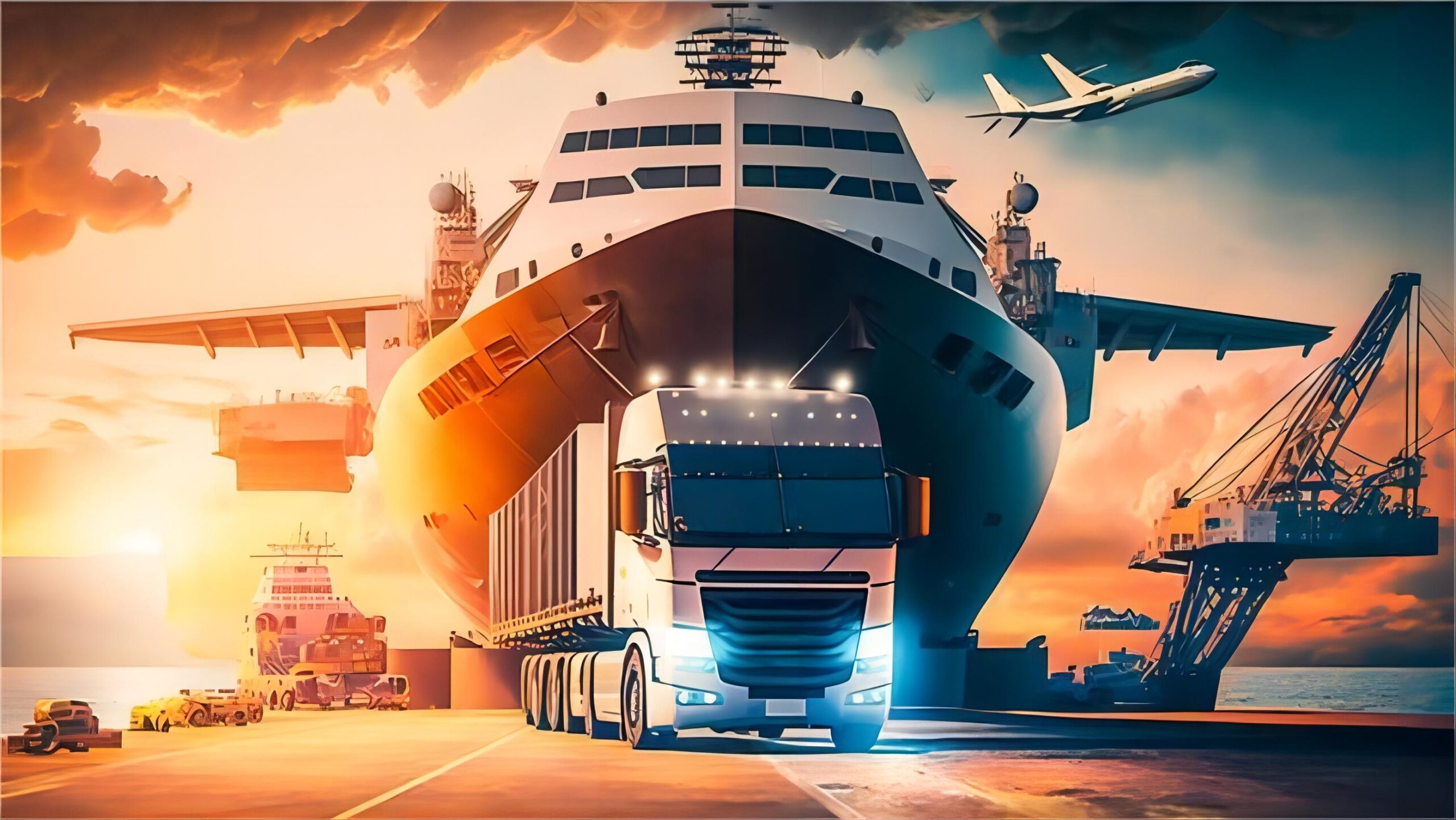
Selecting the right transportation mode depends entirely on your budget, cargo volume, and required speed. Most businesses opting for air freight prioritize speed above all else, especially for high-value electronics or urgent samples. While this method is the most expensive, it offers the fastest transit times, typically ranging from 3 to 7 days.
Furthermore, sea freight remains the most popular choice for bulk shipments due to its unmatched cost-effectiveness. For large volumes, sea freight provides the necessary capacity to move heavy machinery, textiles, and consumer goods at a fraction of the cost of air transport. However, you must account for longer transit times, which usually average between 30 and 45 days depending on the port of origin.
Alternatively, rail freight has emerged as a middle-ground solution that balances speed and cost. This method utilizes the New Silk Road network to connect major Chinese hubs like Xi’an or Chengdu directly to European rail terminals. Consequently, many importers find this to be an ideal compromise for shipments that are too heavy for planes but too urgent for ships.
| Shipping Method | Transit Time | Cost Level | Best For |
|---|---|---|---|
| Air Freight | 3-7 Days | High | Urgent/High-Value |
| Sea Freight | 30-45 Days | Low | Bulk/Large Volume |
| Rail Freight | 15-22 Days | Medium | Mid-sized Shipments |
| Express | 2-5 Days | Very High | Small Packages |
How Does Sea Freight Compare to Other Shipping Options?
Comparing sea freight to alternatives requires a deep understanding of your specific business needs. While sea freight costs approximately 2,000 to 4,000 dollars for a 40HQ container, air freight for the same volume would exceed 20,000 dollars. Nevertheless, the time difference is substantial, as sea transit takes weeks compared to the few days required for air cargo.
Ocean transport also offers various container options, such as Full Container Load (FCL) and Less than Container Load (LCL). If you have enough goods to fill a 20-foot or 40-foot container, FCL is generally the most secure and efficient route. On the other hand, LCL allows you to share space with other shippers, making it a viable option for smaller loads under 15 cubic meters.
Strategic planning often involves using a mix of these methods to optimize the landed cost of your products. For instance, you might ship the bulk of your inventory via the ocean while sending a small portion via air to maintain stock during peak seasons. This hybrid approach ensures you never run out of inventory while keeping your overall logistics expenses manageable.
| Method | Cost Range (USD) | Transit Time | Limitations |
|---|---|---|---|
| Sea (FCL) | 1,800 – 4,200 | 30-40 Days | Slowest Speed |
| Sea (LCL) | 50 – 120 per CBM | 35-45 Days | Higher Handling |
| Rail | 4,000 – 6,500 | 18-25 Days | Limited Routes |
| Air | 4.50 – 9.00 per kg | 4-8 Days | Weight Limits |
Which Option Should You Choose for Your Business?
Choosing the ideal shipping strategy depends on a clear hierarchy of your priorities. If your primary goal is budget optimization, sea freight is undoubtedly the superior choice for nearly all cargo types. Conversely, if your business model relies on rapid inventory turnover or seasonal trends, the speed of air or express services will justify the higher price tag.
Volume thresholds also play a major role in this decision-making process. For shipments under 2 cubic meters, express couriers often provide the best value because they include door-to-door service and simplified customs handling. However, once your volume exceeds 5 cubic meters, switching to LCL sea freight or rail freight typically results in significant savings.
Cargo type considerations must never be ignored when selecting a transport mode. Fragile electronics or perishable goods require the stable environment and speed of air transport to minimize the risk of damage or spoilage. Meanwhile, durable goods like furniture or industrial parts are perfectly suited for the longer, more economical journey across the ocean.
Can a China Freight Forwarder with Tracking Netherlands Handle Customs?
Navigating the complexities of Dutch customs regulations is a daunting task for any importer. Therefore, working with a forwarder that provides expert customs brokerage is essential for avoiding costly delays and fines. Professional brokers ensure that all HS codes are correctly classified and that the necessary VAT and duty payments are calculated accurately.
Indeed, the Netherlands serves as a major gateway to the rest of Europe via the Port of Rotterdam. Consequently, the Dutch customs authorities are highly efficient but also very strict regarding documentation and compliance. Having a local partner who understands the specific requirements of the Belastingdienst will streamline your clearance process significantly.
Expert forwarders also manage the necessary paperwork, such as the Bill of Lading, Commercial Invoice, and Packing List. Additionally, they can assist with specialized certificates like CE marking or agricultural permits if your cargo requires them. By delegating these tasks, you can focus on growing your business while the logistics experts handle the regulatory hurdles.
What are the Typical Costs and Transit Times for 2025?
Analyzing current market trends is vital for accurate budgeting in the upcoming year. As of Q1 2025, freight rates from China to Europe have stabilized after the fluctuations seen in previous years. Generally, you can expect to pay between 2,500 and 4,000 dollars for a standard 40-foot container from major Chinese ports to Rotterdam.
Specifically, transit times have improved as global shipping lanes have adjusted to new operational realities. Direct sea routes from Shanghai or Ningbo typically take around 32 to 38 days to reach the Netherlands. However, transshipment routes via Singapore or Colombo might add another 7 to 10 days to the total journey but often come at a lower price point.
Current market data suggests that air freight rates will remain between 4.50 and 7.00 dollars per kilogram for standard cargo. During peak seasons, such as the lead-up to the holidays in October and November, these rates can increase by 20 to 30 percent. Therefore, booking your shipments at least two weeks in advance is highly recommended to secure the best possible pricing and space.
Why is Real-Time Monitoring Critical for High-Value Cargo?
Monitoring high-value shipments requires more than just knowing the current location of a vessel. Certainly, a professional China freight forwarder with tracking Netherlands provides granular data that includes container temperature, humidity, and shock alerts for sensitive equipment. This information is vital for maintaining the integrity of products like medical devices or high-end electronics.
Efficiently managing these risks involves using IoT-enabled tracking devices that provide real-time updates via cellular or satellite networks. If a container is opened unexpectedly or deviates from its planned route, the system triggers an immediate alert. Consequently, security teams can intervene quickly to prevent theft or unauthorized access to your goods.
High-value cargo also requires specialized insurance coverage that aligns with the tracking data provided. In the event of a claim, having a detailed digital log of the shipment’s journey serves as indisputable evidence for insurance adjusters. Ultimately, this comprehensive approach to monitoring protects your financial investment and ensures brand reputation remains intact.
How to Optimize Your Supply Chain with a Reliable Forwarder?
Optimization begins with choosing a partner that offers comprehensive door to door solutions. By consolidating all logistics tasks under a single provider, you eliminate the communication gaps that often lead to errors. First, the forwarder coordinates the pickup from the factory in China, ensuring the cargo is packed and labeled according to international standards.
Second, the forwarder manages the international transit and the complex customs clearance process upon arrival in the Netherlands. This seamless integration reduces the total lead time and provides a single point of contact for all your inquiries. Furthermore, a reliable partner will offer value-added services like warehousing and final-mile delivery to your warehouse or fulfillment center.
Finally, leveraging the expertise of a seasoned forwarder allows you to scale your operations without increasing your internal overhead. As your business grows, your logistics partner can provide more sophisticated solutions like multi-modal transport or bonded warehousing. Consequently, you gain a competitive edge in the Dutch market by maintaining a lean and responsive supply chain.
Real-World Case Studies: China to Netherlands Shipments
Reviewing actual shipping scenarios provides valuable insights into what you can expect for your own cargo. These examples reflect the typical costs and timelines based on early 2025 market conditions. Detailed breakdowns help you understand the various components that make up the total landed cost of your products from China.
Success in international logistics often comes down to preparation and choosing the right shipping method for the specific cargo type. These cases highlight how different businesses have utilized various freight options to meet their deadlines and budget constraints. Please note that rates are subject to change based on fuel surcharges and carrier capacity at the time of booking.
Case Study 1: Industrial Machinery via Sea Freight
Box Case Study 1: Large Scale Equipment Route: Ningbo, China to Rotterdam, Netherlands Cargo: Industrial CNC Machine, 28 CBM, 8,500 kg Container: 1 x 40GP Shipping Details: – Carrier: Major Ocean Carrier – Port of Loading: Ningbo – Port of Discharge: Rotterdam – Route Type: Direct Cost Breakdown: – Ocean Freight: $3,200 – Origin Charges: $450 – Destination Charges: $600 – Customs and Duties: $1,200 – Total Landed Cost: $5,450 Timeline: – Booking to Loading: 5 days – Sea Transit: 34 days – Customs Clearance: 3 days – Total Door-to-Door: 42 days Key Insight: Using a direct route saved 8 days compared to transshipment, which was critical for the factory’s production deadline.
Case Study 2: Electronics via Air Freight
Box Case Study 2: Consumer Electronics Route: Shenzhen, China to Amsterdam, Netherlands Cargo: Smartphones and Tablets, 1.5 CBM, 450 kg Method: Air Freight Shipping Details: – Carrier: International Air Cargo – Port of Loading: Shenzhen (SZX) – Port of Discharge: Amsterdam (AMS) – Route Type: Direct Flight Cost Breakdown: – Air Freight: $2,475 ($5.50/kg) – Origin Charges: $200 – Destination Charges: $150 – Customs and Duties: $3,500 – Total Landed Cost: $6,325 Timeline: – Booking to Loading: 2 days – Air Transit: 1 day – Customs Clearance: 1 day – Total Door-to-Door: 4 days Key Insight: High-value cargo justified the air freight cost to minimize the risk of theft and meet a product launch date.
Alternative Strategies for Cost-Effective Shipping
Considering alternative strategies can lead to significant savings without compromising too much on delivery speed. For instance, rail freight offers a unique opportunity to bypass the long sea voyage while avoiding the high costs of air transport. This method is particularly effective for shipments originating in central or western China, where rail terminals are easily accessible.
Hybrid solutions, such as sea-air combinations, involve shipping goods by sea to a hub like Dubai or Singapore and then flying them to the Netherlands. This approach can save 30 to 50 percent compared to pure air freight while still arriving much faster than a standard ocean shipment. Strategic use of these multi-modal options allows you to adapt to changing market conditions and inventory needs.
Cost-saving strategies also include optimizing your packaging to maximize container utilization. By reducing wasted space inside your boxes or pallets, you can often fit more units into a single shipment, effectively lowering the shipping cost per item. Additionally, consolidating multiple small orders into one larger LCL or FCL shipment will reduce the per-unit documentation and handling fees.
| Strategy | Potential Savings | Time Impact | Best Use Case |
|---|---|---|---|
| Rail Freight | 20-30% vs Air | Saves 15 Days vs Sea | Medium Weight Goods |
| Sea-Air Hybrid | 40% vs Air | Saves 10 Days vs Sea | Urgent Bulk Orders |
| Consolidation | 15% Total Cost | Adds 3-5 Days | Multiple Suppliers |
| Off-Peak Booking | 10-20% Rate | No Impact | Non-Urgent Stock |
Mastering Your China to Netherlands Logistics
Summarizing the key points of international logistics, success depends on a combination of transparency, the right shipping method, and expert customs handling. By choosing a China freight forwarder with tracking Netherlands, you ensure that your business remains agile and informed throughout the shipping process. Whether you prioritize the speed of air freight or the economy of sea freight, having a reliable partner is the most important factor.
Working with professionals like Ai Shipping China allows you to navigate the complexities of global trade with confidence. Ultimately, the goal is to create a resilient supply chain that can withstand market fluctuations and deliver consistent results for your customers in the Netherlands. Start optimizing your logistics today to secure your position in the competitive European market.
Ready to streamline your logistics?
Ready to streamline your imports? Contact Ai Shipping China today to partner with a premier China freight forwarder with tracking Netherlands and receive a custom quote for your next shipment. Send Inquiry
Request Quote