

Customs Clearance China Singapore: The Complete 2025 Logistics Guide
Navigating the complexities of customs clearance china singapore requires precision and local expertise to ensure your goods arrive without delay. Many businesses struggle with changing regulations and documentation requirements that can stall supply chains. By partnering with a reliable partner like Ai Shipping China, you can streamline your logistics and focus on growing your core business operations. This comprehensive guide provides everything you need to know about taxes, procedures, and shipping methods for the China-Singapore trade lane.
What is Customs Clearance China Singapore?
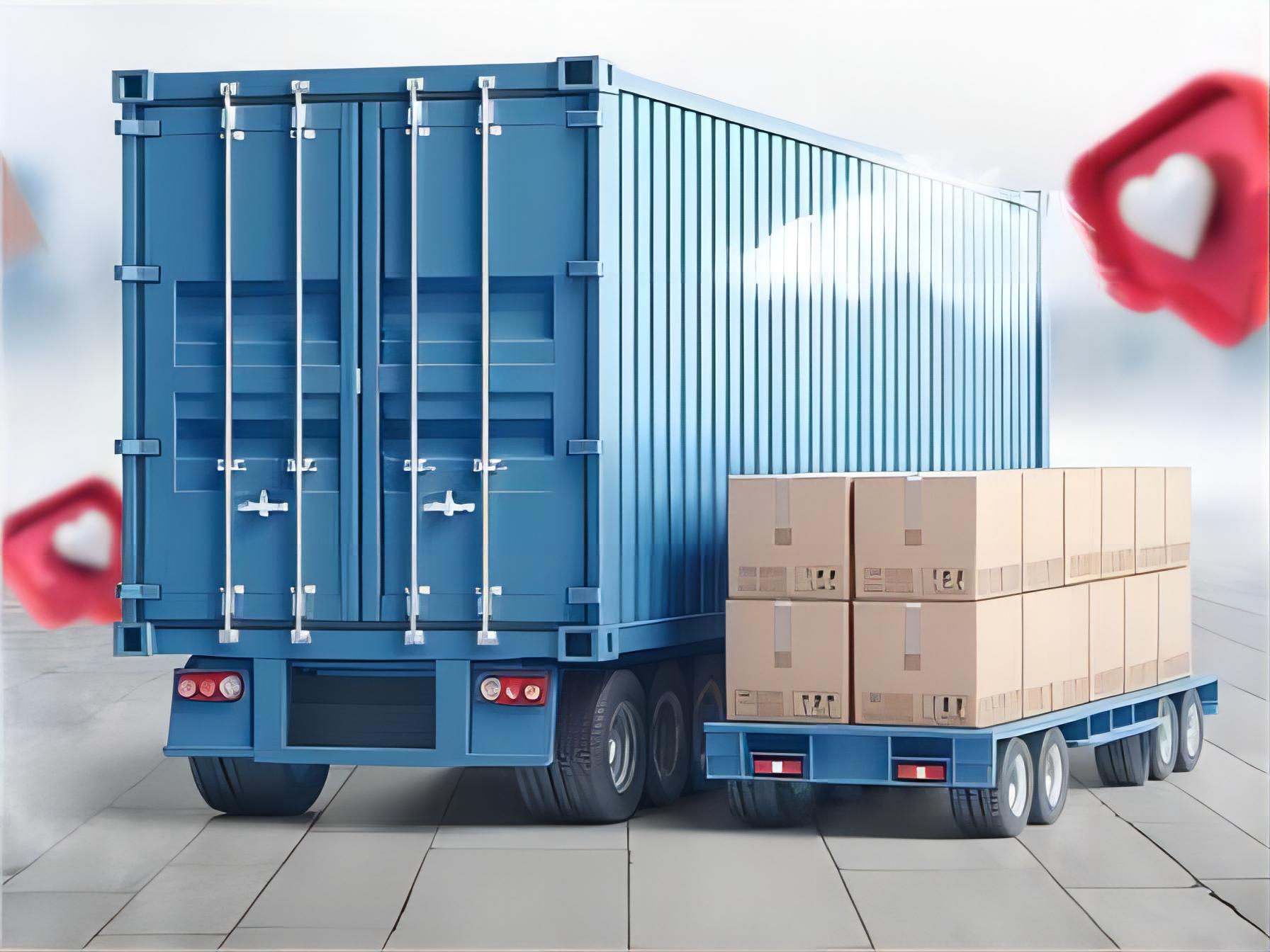
Customs clearance china singapore refers to the legal process of declaring goods to the relevant authorities before they can enter or leave these two nations. Specifically, the process involves submitting required paperwork and paying necessary duties to Singapore Customs and China’s General Administration of Customs. Consequently, understanding these rules is vital for any importer looking to maintain a smooth flow of goods.
Furthermore, Singapore operates as a free port with a very open trade policy, yet it maintains strict controls on certain items. Importers must use the TradeNet system to submit declarations and obtain permits for every shipment. Accordingly, failure to comply with these digital requirements can result in significant fines or cargo seizures.
Essential Documents for Customs Clearance China Singapore
Preparing the correct documentation is the most critical step in avoiding delays during the import process. Most shipments require a commercial invoice, a detailed packing list, and a bill of lading or airway bill. Additionally, specific products like food or chemicals might require certificates of origin or health permits from relevant agencies.
Moreover, the accuracy of your HS code classification determines the tax rate and regulatory requirements for your cargo. Therefore, you should verify every code with your supplier and freight forwarder before the ship leaves the port of loading. Indeed, minor errors in documentation often lead to the most expensive storage fees at the terminal.
| Document Name | Purpose | Required By | Notes |
|---|---|---|---|
| Commercial Invoice | Proof of value | Customs | Must show currency |
| Packing List | Inventory details | Port Authority | Include weight/CBM |
| Bill of Lading | Title to goods | Carrier | Required for pickup |
| Import Permit | Legal entry | Singapore Customs | Apply via TradeNet |
How Does Sea Freight Compare to Other Shipping Options?
When planning your logistics, choosing between sea freight and air transport is a major decision. Sea freight remains the most economical choice for large volumes of furniture, machinery, or bulk raw materials. However, it requires longer lead times, typically ranging from 10 to 15 days from major Chinese ports to Singapore.
In contrast, air freight offers unmatched speed for high-value electronics or urgent spare parts. While the cost per kilogram is significantly higher, the reduced transit time can save money by keeping production lines running. Consequently, businesses must weigh the urgency of their inventory needs against their total logistics budget.
| Method | Cost Range | Transit Time | Best For |
|---|---|---|---|
| Sea Freight FCL | $800 – $1,200 | 10-15 Days | Large volumes |
| Sea Freight LCL | $50 – $90/CBM | 12-18 Days | Small shipments |
| Air Freight | $3.50 – $6.00/kg | 1-3 Days | Urgent goods |
| Express | $6.00 – $9.00/kg | 1-2 Days | Documents/Samples |
Understanding Singapore Import Taxes and GST
Singapore applies a Goods and Services Tax known as GST on all imported goods, currently set at a rate of 9 percent. This tax is calculated based on the CIF value, which includes the cost of goods, insurance, and freight charges. Additionally, certain dutiable goods like alcohol, tobacco, and motor vehicles incur extra excise duties.
Selecting air freight for smaller parcels may allow you to benefit from the De Minimis threshold. Specifically, goods with a total CIF value under 400 Singapore Dollars are currently exempt from GST when imported by air or post. Nevertheless, this threshold does not apply to shipments arriving by sea or land routes.
Step-by-Step Process of Customs Clearance China Singapore
The process begins with the classification of your goods using the Harmonized System codes to determine duty rates. Once classified, you must register for a Unique Entity Number with the Singapore Accounting and Corporate Regulatory Authority. Subsequently, you or your agent will apply for a customs permit through the TradeNet platform.
Professional customs brokerage services can handle these digital submissions to ensure 100 percent accuracy. After the permit is approved, you must pay the required GST and any applicable duties via Inter-Bank GIRO. Finally, once the payment is cleared, the cargo can be released for delivery to its final destination.
Why Choose Door to Door Solutions?
Many importers prefer door to door services because they simplify the entire international shipping journey. This model covers everything from the initial pickup at the factory in China to the final unloading at your warehouse in Singapore. Consequently, you do not have to coordinate between multiple carriers, warehouses, and customs agents.
Moreover, this integrated approach often includes the customs clearance china singapore process as part of a flat fee. This transparency helps businesses budget more effectively and reduces the risk of hidden port charges or handling fees. Therefore, it is often the most efficient strategy for small to medium-sized enterprises.

Alternative Shipping Strategies and Hybrid Solutions
For shipments that are too large for air but too urgent for sea, express service providers offer a middle ground. These providers utilize their own networks to expedite handling and clearance at both ends of the route. Additionally, some logistics firms offer sea-air hybrid solutions that combine the cost savings of ocean transit with the speed of flight.
Another effective strategy involves utilizing bonded warehouses in Singapore for goods intended for regional distribution. By storing cargo in these facilities, you can defer GST payments until the goods are actually sold into the local market. Indeed, this can significantly improve cash flow for companies managing high-value inventory.
| China Port | Destination | Sea Transit | Total Door-to-Door |
|---|---|---|---|
| Shenzhen | Singapore | 5-7 Days | 10-12 Days |
| Shanghai | Singapore | 8-10 Days | 14-16 Days |
| Ningbo | Singapore | 8-10 Days | 14-16 Days |
| Qingdao | Singapore | 12-14 Days | 18-20 Days |
Real Case Studies for China-Singapore Logistics
Case Study 1: Electronics Distribution. Route: Shenzhen to Singapore. Cargo: 500kg of computer components. Shipping Method: Air Freight. Cost: 2,800 USD. Transit Time: 2 days. Key Insight: Using air freight allowed the client to meet a tight launch deadline despite a production delay in China.
Case Study 2: Home Furniture. Route: Foshan to Singapore. Cargo: 1x20GP Container. Shipping Method: Sea Freight FCL. Cost: 1,150 USD. Transit Time: 12 days. Key Insight: Consolidating items into a full container reduced the per-unit shipping cost by 30 percent compared to LCL.
Note: Freight rates are subject to change based on fuel costs, carrier capacity, and seasonal demand. Contact us for a current quote tailored to your specific shipment.
Which Shipping Option Should You Choose?
Budget priority: If your primary goal is to minimize costs, sea freight LCL or FCL is the best option for your business. Speed priority: When time is of the essence, air freight or express services are the only viable choices. Cargo type: Heavy, bulky, or non-perishable goods are best suited for ocean transit to maximize efficiency.
Volume thresholds: For shipments under 100kg, express services are often cheaper than standard air freight due to lower handling fees. Conversely, once your volume exceeds 15 CBM, booking a full 20-foot container becomes more economical than paying for individual cubic meters. Always consult with a logistics expert to analyze your specific cargo profile.
Final Thoughts on China-Singapore Logistics
Mastering customs clearance china singapore is essential for any business looking to thrive in the competitive Southeast Asian market. By understanding the documentation requirements and choosing the right shipping method, you can significantly reduce your lead times and costs. Transitioning to a professional freight forwarder often provides the peace of mind needed to scale your operations effectively.
Remember that staying updated on GST changes and TradeNet procedures will prevent costly compliance issues in the future. Whether you choose sea, air, or express shipping, the key to success lies in preparation and accurate data. Start planning your next shipment today to take advantage of the robust trade lane between China and Singapore.

Ready to streamline your logistics?
Streamline your customs clearance china singapore today by working with industry experts who understand the local regulations. Our team provides end-to-end support to ensure your cargo moves across borders without unnecessary delays or hidden costs. Visit our website to request a personalized quote and see how we can optimize your supply chain. Contact us now to start your shipment with confidence.
Request Quote